
Get trending papers in your email inbox once a day!
Get trending papers in your email inbox!
Subscribe

Citegeist: Automated Generation of Related Work Analysis on the arXiv Corpus
Large Language Models provide significant new opportunities for the generation of high-quality written works. However, their employment in the research community is inhibited by their tendency to hallucinate invalid sources and lack of direct access to a knowledge base of relevant scientific articles. In this work, we present Citegeist: An application pipeline using dynamic Retrieval Augmented Generation (RAG) on the arXiv Corpus to generate a related work section and other citation-backed outputs. For this purpose, we employ a mixture of embedding-based similarity matching, summarization, and multi-stage filtering. To adapt to the continuous growth of the document base, we also present an optimized way of incorporating new and modified papers. To enable easy utilization in the scientific community, we release both, a website (https://citegeist.org), as well as an implementation harness that works with several different LLM implementations.
Poison Once, Refuse Forever: Weaponizing Alignment for Injecting Bias in LLMs
Large Language Models (LLMs) are aligned to meet ethical standards and safety requirements by training them to refuse answering harmful or unsafe prompts. In this paper, we demonstrate how adversaries can exploit LLMs' alignment to implant bias, or enforce targeted censorship without degrading the model's responsiveness to unrelated topics. Specifically, we propose Subversive Alignment Injection (SAI), a poisoning attack that leverages the alignment mechanism to trigger refusal on specific topics or queries predefined by the adversary. Although it is perhaps not surprising that refusal can be induced through overalignment, we demonstrate how this refusal can be exploited to inject bias into the model. Surprisingly, SAI evades state-of-the-art poisoning defenses including LLM state forensics, as well as robust aggregation techniques that are designed to detect poisoning in FL settings. We demonstrate the practical dangers of this attack by illustrating its end-to-end impacts on LLM-powered application pipelines. For chat based applications such as ChatDoctor, with 1% data poisoning, the system refuses to answer healthcare questions to targeted racial category leading to high bias (Delta DP of 23%). We also show that bias can be induced in other NLP tasks: for a resume selection pipeline aligned to refuse to summarize CVs from a selected university, high bias in selection (Delta DP of 27%) results. Even higher bias (Delta DP~38%) results on 9 other chat based downstream applications.
Reveal Hidden Pitfalls and Navigate Next Generation of Vector Similarity Search from Task-Centric Views
Vector Similarity Search (VSS) in high-dimensional spaces is rapidly emerging as core functionality in next-generation database systems for numerous data-intensive services -- from embedding lookups in large language models (LLMs), to semantic information retrieval and recommendation engines. Current benchmarks, however, evaluate VSS primarily on the recall-latency trade-off against a ground truth defined solely by distance metrics, neglecting how retrieval quality ultimately impacts downstream tasks. This disconnect can mislead both academic research and industrial practice. We present Iceberg, a holistic benchmark suite for end-to-end evaluation of VSS methods in realistic application contexts. From a task-centric view, Iceberg uncovers the Information Loss Funnel, which identifies three principal sources of end-to-end performance degradation: (1) Embedding Loss during feature extraction; (2) Metric Misuse, where distances poorly reflect task relevance; (3) Data Distribution Sensitivity, highlighting index robustness across skews and modalities. For a more comprehensive assessment, Iceberg spans eight diverse datasets across key domains such as image classification, face recognition, text retrieval, and recommendation systems. Each dataset, ranging from 1M to 100M vectors, includes rich, task-specific labels and evaluation metrics, enabling assessment of retrieval algorithms within the full application pipeline rather than in isolation. Iceberg benchmarks 13 state-of-the-art VSS methods and re-ranks them based on application-level metrics, revealing substantial deviations from traditional rankings derived purely from recall-latency evaluations. Building on these insights, we define a set of task-centric meta-features and derive an interpretable decision tree to guide practitioners in selecting and tuning VSS methods for their specific workloads.

Foundation Models for Time Series Analysis: A Tutorial and Survey
Time series analysis stands as a focal point within the data mining community, serving as a cornerstone for extracting valuable insights crucial to a myriad of real-world applications. Recent advances in Foundation Models (FMs) have fundamentally reshaped the paradigm of model design for time series analysis, boosting various downstream tasks in practice. These innovative approaches often leverage pre-trained or fine-tuned FMs to harness generalized knowledge tailored for time series analysis. This survey aims to furnish a comprehensive and up-to-date overview of FMs for time series analysis. While prior surveys have predominantly focused on either application or pipeline aspects of FMs in time series analysis, they have often lacked an in-depth understanding of the underlying mechanisms that elucidate why and how FMs benefit time series analysis. To address this gap, our survey adopts a methodology-centric classification, delineating various pivotal elements of time-series FMs, including model architectures, pre-training techniques, adaptation methods, and data modalities. Overall, this survey serves to consolidate the latest advancements in FMs pertinent to time series analysis, accentuating their theoretical underpinnings, recent strides in development, and avenues for future exploration.

On the Robustness of Arabic Speech Dialect Identification
Arabic dialect identification (ADI) tools are an important part of the large-scale data collection pipelines necessary for training speech recognition models. As these pipelines require application of ADI tools to potentially out-of-domain data, we aim to investigate how vulnerable the tools may be to this domain shift. With self-supervised learning (SSL) models as a starting point, we evaluate transfer learning and direct classification from SSL features. We undertake our evaluation under rich conditions, with a goal to develop ADI systems from pretrained models and ultimately evaluate performance on newly collected data. In order to understand what factors contribute to model decisions, we carry out a careful human study of a subset of our data. Our analysis confirms that domain shift is a major challenge for ADI models. We also find that while self-training does alleviate this challenges, it may be insufficient for realistic conditions.


Benchmarking Large Language Model Capabilities for Conditional Generation
Pre-trained large language models (PLMs) underlie most new developments in natural language processing. They have shifted the field from application-specific model pipelines to a single model that is adapted to a wide range of tasks. Autoregressive PLMs like GPT-3 or PaLM, alongside techniques like few-shot learning, have additionally shifted the output modality to generation instead of classification or regression. Despite their ubiquitous use, the generation quality of language models is rarely evaluated when these models are introduced. Additionally, it is unclear how existing generation tasks--while they can be used to compare systems at a high level--relate to the real world use cases for which people have been adopting them. In this work, we discuss how to adapt existing application-specific generation benchmarks to PLMs and provide an in-depth, empirical study of the limitations and capabilities of PLMs in natural language generation tasks along dimensions such as scale, architecture, input and output language. Our results show that PLMs differ in their applicability to different data regimes and their generalization to multiple languages and inform which PLMs to use for a given generation task setup. We share best practices to be taken into consideration when benchmarking generation capabilities during the development of upcoming PLMs.

Leveraging Retrieval-Augmented Generation for University Knowledge Retrieval
This paper introduces an innovative approach using Retrieval-Augmented Generation (RAG) pipelines with Large Language Models (LLMs) to enhance information retrieval and query response systems for university-related question answering. By systematically extracting data from the university official webpage and employing advanced prompt engineering techniques, we generate accurate, contextually relevant responses to user queries. We developed a comprehensive university benchmark, UniversityQuestionBench (UQB), to rigorously evaluate our system performance, based on common key metrics in the filed of RAG pipelines, assessing accuracy and reliability through various metrics and real-world scenarios. Our experimental results demonstrate significant improvements in the precision and relevance of generated responses, enhancing user experience and reducing the time required to obtain relevant answers. In summary, this paper presents a novel application of RAG pipelines and LLMs, supported by a meticulously prepared university benchmark, offering valuable insights into advanced AI techniques for academic data retrieval and setting the stage for future research in this domain.



PyKale: Knowledge-Aware Machine Learning from Multiple Sources in Python
Machine learning is a general-purpose technology holding promises for many interdisciplinary research problems. However, significant barriers exist in crossing disciplinary boundaries when most machine learning tools are developed in different areas separately. We present Pykale - a Python library for knowledge-aware machine learning on graphs, images, texts, and videos to enable and accelerate interdisciplinary research. We formulate new green machine learning guidelines based on standard software engineering practices and propose a novel pipeline-based application programming interface (API). PyKale focuses on leveraging knowledge from multiple sources for accurate and interpretable prediction, thus supporting multimodal learning and transfer learning (particularly domain adaptation) with latest deep learning and dimensionality reduction models. We build PyKale on PyTorch and leverage the rich PyTorch ecosystem. Our pipeline-based API design enforces standardization and minimalism, embracing green machine learning concepts via reducing repetitions and redundancy, reusing existing resources, and recycling learning models across areas. We demonstrate its interdisciplinary nature via examples in bioinformatics, knowledge graph, image/video recognition, and medical imaging.
Industrial Application of 6D Pose Estimation for Robotic Manipulation in Automotive Internal Logistics
Despite the advances in robotics a large proportion of the of parts handling tasks in the automotive industry's internal logistics are not automated but still performed by humans. A key component to competitively automate these processes is a 6D pose estimation that can handle a large number of different parts, is adaptable to new parts with little manual effort, and is sufficiently accurate and robust with respect to industry requirements. In this context, the question arises as to the current status quo with respect to these measures. To address this we built a representative 6D pose estimation pipeline with state-of-the-art components from economically scalable real to synthetic data generation to pose estimators and evaluated it on automotive parts with regards to a realistic sequencing process. We found that using the data generation approaches, the performance of the trained 6D pose estimators are promising, but do not meet industry requirements. We reveal that the reason for this is the inability of the estimators to provide reliable uncertainties for their poses, rather than the ability of to provide sufficiently accurate poses. In this context we further analyzed how RGB- and RGB-D-based approaches compare against this background and show that they are differently vulnerable to the domain gap induced by synthetic data.
Hermes: Memory-Efficient Pipeline Inference for Large Models on Edge Devices
The application of Transformer-based large models has achieved numerous success in recent years. However, the exponential growth in the parameters of large models introduces formidable memory challenge for edge deployment. Prior works to address this challenge mainly focus on optimizing the model structure and adopting memory swapping methods. However, the former reduces the inference accuracy, and the latter raises the inference latency. This paper introduces PIPELOAD, a novel memory-efficient pipeline execution mechanism. It reduces memory usage by incorporating dynamic memory management and minimizes inference latency by employing parallel model loading. Based on PIPELOAD mechanism, we present Hermes, a framework optimized for large model inference on edge devices. We evaluate Hermes on Transformer-based models of different sizes. Our experiments illustrate that Hermes achieves up to 4.24 X increase in inference speed and 86.7% lower memory consumption than the state-of-the-art pipeline mechanism for BERT and ViT models, 2.58 X increase in inference speed and 90.3% lower memory consumption for GPT-style models.
NeuSurfEmb: A Complete Pipeline for Dense Correspondence-based 6D Object Pose Estimation without CAD Models
State-of-the-art approaches for 6D object pose estimation assume the availability of CAD models and require the user to manually set up physically-based rendering (PBR) pipelines for synthetic training data generation. Both factors limit the application of these methods in real-world scenarios. In this work, we present a pipeline that does not require CAD models and allows training a state-of-the-art pose estimator requiring only a small set of real images as input. Our method is based on a NeuS2 object representation, that we learn through a semi-automated procedure based on Structure-from-Motion (SfM) and object-agnostic segmentation. We exploit the novel-view synthesis ability of NeuS2 and simple cut-and-paste augmentation to automatically generate photorealistic object renderings, which we use to train the correspondence-based SurfEmb pose estimator. We evaluate our method on the LINEMOD-Occlusion dataset, extensively studying the impact of its individual components and showing competitive performance with respect to approaches based on CAD models and PBR data. We additionally demonstrate the ease of use and effectiveness of our pipeline on self-collected real-world objects, showing that our method outperforms state-of-the-art CAD-model-free approaches, with better accuracy and robustness to mild occlusions. To allow the robotics community to benefit from this system, we will publicly release it at https://www.github.com/ethz-asl/neusurfemb.

A Dataset and Application for Facial Recognition of Individual Gorillas in Zoo Environments
We put forward a video dataset with 5k+ facial bounding box annotations across a troop of 7 western lowland gorillas at Bristol Zoo Gardens. Training on this dataset, we implement and evaluate a standard deep learning pipeline on the task of facially recognising individual gorillas in a zoo environment. We show that a basic YOLOv3-powered application is able to perform identifications at 92% mAP when utilising single frames only. Tracking-by-detection-association and identity voting across short tracklets yields an improved robust performance of 97% mAP. To facilitate easy utilisation for enriching the research capabilities of zoo environments, we publish the code, video dataset, weights, and ground-truth annotations at data.bris.ac.uk.

Segment anything model 2: an application to 2D and 3D medical images
Segment Anything Model (SAM) has gained significant attention because of its ability to segment a variety of objects in images given a prompt. The recently developed SAM 2 has extended this ability to video inputs. This opens an opportunity to apply SAM to 3D images, one of the fundamental tasks in the medical imaging field. In this paper, we provide an extensive evaluation of SAM 2's ability to segment both 2D and 3D medical images. We collect 18 medical imaging datasets, including common 3D modalities such as computed tomography (CT), magnetic resonance imaging (MRI), and positron emission tomography (PET) as well as 2D modalities such as X-ray and ultrasound. We consider two evaluation pipelines of SAM 2: (1) multi-frame 3D segmentation, where prompts are provided to one or multiple slice(s) selected from the volume, and (2) single-frame 2D segmentation, where prompts are provided to each slice. The former is only applicable to 3D modalities, while the latter applies to both 2D and 3D modalities. We learn that SAM 2 exhibits similar performance as SAM under single-frame 2D segmentation, and has variable performance under multi-frame 3D segmentation depending on the choices of slices to annotate, the direction of the propagation, the predictions utilized during the propagation, etc.
WALL: A Web Application for Automated Quality Assurance using Large Language Models
As software projects become increasingly complex, the volume and variety of issues in code files have grown substantially. Addressing this challenge requires efficient issue detection, resolution, and evaluation tools. This paper presents WALL, a web application that integrates SonarQube and large language models (LLMs) such as GPT-3.5 Turbo and GPT-4o to automate these tasks. WALL comprises three modules: an issue extraction tool, code issues reviser, and code comparison tool. Together, they enable a seamless pipeline for detecting software issues, generating automated code revisions, and evaluating the accuracy of revisions. Our experiments, conducted on 563 files with over 7,599 issues, demonstrate WALL's effectiveness in reducing human effort while maintaining high-quality revisions. Results show that employing a hybrid approach of cost-effective and advanced LLMs can significantly lower costs and improve revision rates. Future work aims to enhance WALL's capabilities by integrating open-source LLMs and eliminating human intervention, paving the way for fully automated code quality management.

Uplifting Table Tennis: A Robust, Real-World Application for 3D Trajectory and Spin Estimation
Obtaining the precise 3D motion of a table tennis ball from standard monocular videos is a challenging problem, as existing methods trained on synthetic data struggle to generalize to the noisy, imperfect ball and table detections of the real world. This is primarily due to the inherent lack of 3D ground truth trajectories and spin annotations for real-world video. To overcome this, we propose a novel two-stage pipeline that divides the problem into a front-end perception task and a back-end 2D-to-3D uplifting task. This separation allows us to train the front-end components with abundant 2D supervision from our newly created TTHQ dataset, while the back-end uplifting network is trained exclusively on physically-correct synthetic data. We specifically re-engineer the uplifting model to be robust to common real-world artifacts, such as missing detections and varying frame rates. By integrating a ball detector and a table keypoint detector, our approach transforms a proof-of-concept uplifting method into a practical, robust, and high-performing end-to-end application for 3D table tennis trajectory and spin analysis.

Semmeldetector: Application of Machine Learning in Commercial Bakeries
The Semmeldetector, is a machine learning application that utilizes object detection models to detect, classify and count baked goods in images. Our application allows commercial bakers to track unsold baked goods, which allows them to optimize production and increase resource efficiency. We compiled a dataset comprising 1151 images that distinguishes between 18 different types of baked goods to train our detection models. To facilitate model training, we used a Copy-Paste augmentation pipeline to expand our dataset. We trained the state-of-the-art object detection model YOLOv8 on our detection task. We tested the impact of different training data, model scale, and online image augmentation pipelines on model performance. Our overall best performing model, achieved an AP@0.5 of 89.1% on our test set. Based on our results, we conclude that machine learning can be a valuable tool even for unforeseen industries like bakeries, even with very limited datasets.
Pipeline and Dataset Generation for Automated Fact-checking in Almost Any Language
This article presents a pipeline for automated fact-checking leveraging publicly available Language Models and data. The objective is to assess the accuracy of textual claims using evidence from a ground-truth evidence corpus. The pipeline consists of two main modules -- the evidence retrieval and the claim veracity evaluation. Our primary focus is on the ease of deployment in various languages that remain unexplored in the field of automated fact-checking. Unlike most similar pipelines, which work with evidence sentences, our pipeline processes data on a paragraph level, simplifying the overall architecture and data requirements. Given the high cost of annotating language-specific fact-checking training data, our solution builds on the Question Answering for Claim Generation (QACG) method, which we adapt and use to generate the data for all models of the pipeline. Our strategy enables the introduction of new languages through machine translation of only two fixed datasets of moderate size. Subsequently, any number of training samples can be generated based on an evidence corpus in the target language. We provide open access to all data and fine-tuned models for Czech, English, Polish, and Slovak pipelines, as well as to our codebase that may be used to reproduce the results.We comprehensively evaluate the pipelines for all four languages, including human annotations and per-sample difficulty assessment using Pointwise V-information. The presented experiments are based on full Wikipedia snapshots to promote reproducibility. To facilitate implementation and user interaction, we develop the FactSearch application featuring the proposed pipeline and the preliminary feedback on its performance.


A Natural Language Processing Pipeline of Chinese Free-text Radiology Reports for Liver Cancer Diagnosis
Despite the rapid development of natural language processing (NLP) implementation in electronic medical records (EMRs), Chinese EMRs processing remains challenging due to the limited corpus and specific grammatical characteristics, especially for radiology reports. In this study, we designed an NLP pipeline for the direct extraction of clinically relevant features from Chinese radiology reports, which is the first key step in computer-aided radiologic diagnosis. The pipeline was comprised of named entity recognition, synonyms normalization, and relationship extraction to finally derive the radiological features composed of one or more terms. In named entity recognition, we incorporated lexicon into deep learning model bidirectional long short-term memory-conditional random field (BiLSTM-CRF), and the model finally achieved an F1 score of 93.00%. With the extracted radiological features, least absolute shrinkage and selection operator and machine learning methods (support vector machine, random forest, decision tree, and logistic regression) were used to build the classifiers for liver cancer prediction. For liver cancer diagnosis, random forest had the highest predictive performance in liver cancer diagnosis (F1 score 86.97%, precision 87.71%, and recall 86.25%). This work was a comprehensive NLP study focusing on Chinese radiology reports and the application of NLP in cancer risk prediction. The proposed NLP pipeline for the radiological feature extraction could be easily implemented in other kinds of Chinese clinical texts and other disease predictive tasks.

Data-Prep-Kit: getting your data ready for LLM application development
Data preparation is the first and a very important step towards any Large Language Model (LLM) development. This paper introduces an easy-to-use, extensible, and scale-flexible open-source data preparation toolkit called Data Prep Kit (DPK). DPK is architected and designed to enable users to scale their data preparation to their needs. With DPK they can prepare data on a local machine or effortlessly scale to run on a cluster with thousands of CPU Cores. DPK comes with a highly scalable, yet extensible set of modules that transform natural language and code data. If the user needs additional transforms, they can be easily developed using extensive DPK support for transform creation. These modules can be used independently or pipelined to perform a series of operations. In this paper, we describe DPK architecture and show its performance from a small scale to a very large number of CPUs. The modules from DPK have been used for the preparation of Granite Models [1] [2]. We believe DPK is a valuable contribution to the AI community to easily prepare data to enhance the performance of their LLM models or to fine-tune models with Retrieval-Augmented Generation (RAG).
Webscale-RL: Automated Data Pipeline for Scaling RL Data to Pretraining Levels
Large Language Models (LLMs) have achieved remarkable success through imitation learning on vast text corpora, but this paradigm creates a training-generation gap and limits robust reasoning. Reinforcement learning (RL) offers a more data-efficient solution capable of bridging this gap, yet its application has been constrained by a critical data bottleneck: existing RL datasets are orders of magnitude smaller and less diverse than web-scale pre-training corpora. To address this, we introduce the Webscale-RL pipeline, a scalable data engine that systematically converts large-scale pre-training documents into millions of diverse, verifiable question-answer pairs for RL. Using this pipeline, we construct the Webscale-RL dataset, containing 1.2 million examples across more than 9 domains. Our experiments show that the model trained on this dataset significantly outperforms continual pretraining and strong data refinement baselines across a suite of benchmarks. Notably, RL training with our dataset proves substantially more efficient, achieving the performance of continual pre-training with up to 100times fewer tokens. Our work presents a viable path toward scaling RL to pre-training levels, enabling more capable and efficient language models.

PISTOL: Dataset Compilation Pipeline for Structural Unlearning of LLMs
Recently, machine unlearning, which seeks to erase specific data stored in the pre-trained or fine-tuned models, has emerged as a crucial protective measure for LLMs. However, unlearning approaches for LLMs that have been considered thus far have focused on the removal of independent data points and have not taken into account that the stored facts are logically connected to one another and form an implicit knowledge graph. To facilitate the development of structural unlearning methods, which are essential for the practical application of unlearning, we propose PISTOL, a pipeline for compiling multi-scenario datasets for benchmarking structural LLM unlearning. Additionally, leveraging sample datasets synthesized using PISTOL, we conducted benchmarks with four distinct unlearning methods on both Llama2-7B and Mistral-7B models. This analysis helps to illustrate the prevailing challenges in effectively and robustly removing highly inter-connected data, batched data, or data skewed towards a specific domain. It also highlights the choice of pre-trained model can impact unlearning performance. This work not only advances our understandings on the limitation of current LLMs unlearning methods and proposes future research directions, but also provides a replicable framework for ongoing exploration and validation in the field.
Multi-Type-TD-TSR -- Extracting Tables from Document Images using a Multi-stage Pipeline for Table Detection and Table Structure Recognition: from OCR to Structured Table Representations
As global trends are shifting towards data-driven industries, the demand for automated algorithms that can convert digital images of scanned documents into machine readable information is rapidly growing. Besides the opportunity of data digitization for the application of data analytic tools, there is also a massive improvement towards automation of processes, which previously would require manual inspection of the documents. Although the introduction of optical character recognition technologies mostly solved the task of converting human-readable characters from images into machine-readable characters, the task of extracting table semantics has been less focused on over the years. The recognition of tables consists of two main tasks, namely table detection and table structure recognition. Most prior work on this problem focuses on either task without offering an end-to-end solution or paying attention to real application conditions like rotated images or noise artefacts inside the document image. Recent work shows a clear trend towards deep learning approaches coupled with the use of transfer learning for the task of table structure recognition due to the lack of sufficiently large datasets. In this paper we present a multistage pipeline named Multi-Type-TD-TSR, which offers an end-to-end solution for the problem of table recognition. It utilizes state-of-the-art deep learning models for table detection and differentiates between 3 different types of tables based on the tables' borders. For the table structure recognition we use a deterministic non-data driven algorithm, which works on all table types. We additionally present two algorithms. One for unbordered tables and one for bordered tables, which are the base of the used table structure recognition algorithm. We evaluate Multi-Type-TD-TSR on the ICDAR 2019 table structure recognition dataset and achieve a new state-of-the-art.
RAG vs Fine-tuning: Pipelines, Tradeoffs, and a Case Study on Agriculture
There are two common ways in which developers are incorporating proprietary and domain-specific data when building applications of Large Language Models (LLMs): Retrieval-Augmented Generation (RAG) and Fine-Tuning. RAG augments the prompt with the external data, while fine-Tuning incorporates the additional knowledge into the model itself. However, the pros and cons of both approaches are not well understood. In this paper, we propose a pipeline for fine-tuning and RAG, and present the tradeoffs of both for multiple popular LLMs, including Llama2-13B, GPT-3.5, and GPT-4. Our pipeline consists of multiple stages, including extracting information from PDFs, generating questions and answers, using them for fine-tuning, and leveraging GPT-4 for evaluating the results. We propose metrics to assess the performance of different stages of the RAG and fine-Tuning pipeline. We conduct an in-depth study on an agricultural dataset. Agriculture as an industry has not seen much penetration of AI, and we study a potentially disruptive application - what if we could provide location-specific insights to a farmer? Our results show the effectiveness of our dataset generation pipeline in capturing geographic-specific knowledge, and the quantitative and qualitative benefits of RAG and fine-tuning. We see an accuracy increase of over 6 p.p. when fine-tuning the model and this is cumulative with RAG, which increases accuracy by 5 p.p. further. In one particular experiment, we also demonstrate that the fine-tuned model leverages information from across geographies to answer specific questions, increasing answer similarity from 47% to 72%. Overall, the results point to how systems built using LLMs can be adapted to respond and incorporate knowledge across a dimension that is critical for a specific industry, paving the way for further applications of LLMs in other industrial domains.
LM4HPC: Towards Effective Language Model Application in High-Performance Computing
In recent years, language models (LMs), such as GPT-4, have been widely used in multiple domains, including natural language processing, visualization, and so on. However, applying them for analyzing and optimizing high-performance computing (HPC) software is still challenging due to the lack of HPC-specific support. In this paper, we design the LM4HPC framework to facilitate the research and development of HPC software analyses and optimizations using LMs. Tailored for supporting HPC datasets, AI models, and pipelines, our framework is built on top of a range of components from different levels of the machine learning software stack, with Hugging Face-compatible APIs. Using three representative tasks, we evaluated the prototype of our framework. The results show that LM4HPC can help users quickly evaluate a set of state-of-the-art models and generate insightful leaderboards.

Collaborative Metric Learning Recommendation System: Application to Theatrical Movie Releases
Product recommendation systems are important for major movie studios during the movie greenlight process and as part of machine learning personalization pipelines. Collaborative Filtering (CF) models have proved to be effective at powering recommender systems for online streaming services with explicit customer feedback data. CF models do not perform well in scenarios in which feedback data is not available, in cold start situations like new product launches, and situations with markedly different customer tiers (e.g., high frequency customers vs. casual customers). Generative natural language models that create useful theme-based representations of an underlying corpus of documents can be used to represent new product descriptions, like new movie plots. When combined with CF, they have shown to increase the performance in cold start situations. Outside of those cases though in which explicit customer feedback is available, recommender engines must rely on binary purchase data, which materially degrades performance. Fortunately, purchase data can be combined with product descriptions to generate meaningful representations of products and customer trajectories in a convenient product space in which proximity represents similarity. Learning to measure the distance between points in this space can be accomplished with a deep neural network that trains on customer histories and on dense vectorizations of product descriptions. We developed a system based on Collaborative (Deep) Metric Learning (CML) to predict the purchase probabilities of new theatrical releases. We trained and evaluated the model using a large dataset of customer histories, and tested the model for a set of movies that were released outside of the training window. Initial experiments show gains relative to models that do not train on collaborative preferences.
Building a Privacy Web with SPIDEr -- Secure Pipeline for Information De-Identification with End-to-End Encryption
Data de-identification makes it possible to glean insights from data while preserving user privacy. The use of Trusted Execution Environments (TEEs) allow for the execution of de-identification applications on the cloud without the need for a user to trust the third-party application provider. In this paper, we present SPIDEr - Secure Pipeline for Information De-Identification with End-to-End Encryption, our implementation of an end-to-end encrypted data de-identification pipeline. SPIDEr supports classical anonymisation techniques such as suppression, pseudonymisation, generalisation, and aggregation, as well as techniques that offer a formal privacy guarantee such as k-anonymisation and differential privacy. To enable scalability and improve performance on constrained TEE hardware, we enable batch processing of data for differential privacy computations. We present our design of the control flows for end-to-end secure execution of de-identification operations within a TEE. As part of the control flow for running SPIDEr within the TEE, we perform attestation, a process that verifies that the software binaries were properly instantiated on a known, trusted platform.
An Inpainting-Infused Pipeline for Attire and Background Replacement
In recent years, groundbreaking advancements in Generative Artificial Intelligence (GenAI) have triggered a transformative paradigm shift, significantly influencing various domains. In this work, we specifically explore an integrated approach, leveraging advanced techniques in GenAI and computer vision emphasizing image manipulation. The methodology unfolds through several stages, including depth estimation, the creation of inpaint masks based on depth information, the generation and replacement of backgrounds utilizing Stable Diffusion in conjunction with Latent Consistency Models (LCMs), and the subsequent replacement of clothes and application of aesthetic changes through an inpainting pipeline. Experiments conducted in this study underscore the methodology's efficacy, highlighting its potential to produce visually captivating content. The convergence of these advanced techniques allows users to input photographs of individuals and manipulate them to modify clothing and background based on specific prompts without manually input inpainting masks, effectively placing the subjects within the vast landscape of creative imagination.

MediaPipe: A Framework for Building Perception Pipelines
Building applications that perceive the world around them is challenging. A developer needs to (a) select and develop corresponding machine learning algorithms and models, (b) build a series of prototypes and demos, (c) balance resource consumption against the quality of the solutions, and finally (d) identify and mitigate problematic cases. The MediaPipe framework addresses all of these challenges. A developer can use MediaPipe to build prototypes by combining existing perception components, to advance them to polished cross-platform applications and measure system performance and resource consumption on target platforms. We show that these features enable a developer to focus on the algorithm or model development and use MediaPipe as an environment for iteratively improving their application with results reproducible across different devices and platforms. MediaPipe will be open-sourced at https://github.com/google/mediapipe.
RAG+: Enhancing Retrieval-Augmented Generation with Application-Aware Reasoning
The integration of external knowledge through Retrieval-Augmented Generation (RAG) has become foundational in enhancing large language models (LLMs) for knowledge-intensive tasks. However, existing RAG paradigms often overlook the cognitive step of applying knowledge, leaving a gap between retrieved facts and task-specific reasoning. In this work, we introduce RAG+, a principled and modular extension that explicitly incorporates application-aware reasoning into the RAG pipeline. RAG+ constructs a dual corpus consisting of knowledge and aligned application examples, created either manually or automatically, and retrieves both jointly during inference. This design enables LLMs not only to access relevant information but also to apply it within structured, goal-oriented reasoning processes. Experiments across mathematical, legal, and medical domains, conducted on multiple models, demonstrate that RAG+ consistently outperforms standard RAG variants, achieving average improvements of 3-5%, and peak gains up to 7.5% in complex scenarios. By bridging retrieval with actionable application, RAG+ advances a more cognitively grounded framework for knowledge integration, representing a step toward more interpretable and capable LLMs.
ROAM: a Rich Object Appearance Model with Application to Rotoscoping
Rotoscoping, the detailed delineation of scene elements through a video shot, is a painstaking task of tremendous importance in professional post-production pipelines. While pixel-wise segmentation techniques can help for this task, professional rotoscoping tools rely on parametric curves that offer the artists a much better interactive control on the definition, editing and manipulation of the segments of interest. Sticking to this prevalent rotoscoping paradigm, we propose a novel framework to capture and track the visual aspect of an arbitrary object in a scene, given a first closed outline of this object. This model combines a collection of local foreground/background appearance models spread along the outline, a global appearance model of the enclosed object and a set of distinctive foreground landmarks. The structure of this rich appearance model allows simple initialization, efficient iterative optimization with exact minimization at each step, and on-line adaptation in videos. We demonstrate qualitatively and quantitatively the merit of this framework through comparisons with tools based on either dynamic segmentation with a closed curve or pixel-wise binary labelling.

FURINA: A Fully Customizable Role-Playing Benchmark via Scalable Multi-Agent Collaboration Pipeline
As large language models (LLMs) advance in role-playing (RP) tasks, existing benchmarks quickly become obsolete due to their narrow scope, outdated interaction paradigms, and limited adaptability across diverse application scenarios. To address this gap, we introduce FURINA-Builder, a novel multi-agent collaboration pipeline that automatically constructs fully customizable RP benchmarks at any scale. It enables evaluation of arbitrary characters across diverse scenarios and prompt formats, as the first benchmark builder in RP area for adaptable assessment. FURINA-Builder simulates dialogues between a test character and other characters drawn from a well-constructed character-scene pool, while an LLM judge selects fine-grained evaluation dimensions and adjusts the test character's responses into final test utterances. Using this pipeline, we build FURINA-Bench, a new comprehensive role-playing benchmark featuring both established and synthesized test characters, each assessed with dimension-specific evaluation criteria. Human evaluation and preliminary separability analysis justify our pipeline and benchmark design. We conduct extensive evaluations of cutting-edge LLMs and find that o3 and DeepSeek-R1 achieve the best performance on English and Chinese RP tasks, respectively. Across all models, established characters consistently outperform synthesized ones, with reasoning capabilities further amplifying this disparity. Interestingly, we observe that model scale does not monotonically reduce hallucinations. More critically, for reasoning LLMs, we uncover a novel trade-off: reasoning improves RP performance but simultaneously increases RP hallucinations. This trade-off extends to a broader Pareto frontier between RP performance and reliability for all LLMs. These findings demonstrate the effectiveness of FURINA-Builder and the challenge posed by FURINA-Bench.

Advancing Italian Biomedical Information Extraction with Large Language Models: Methodological Insights and Multicenter Practical Application
The introduction of computerized medical records in hospitals has reduced burdensome operations like manual writing and information fetching. However, the data contained in medical records are still far underutilized, primarily because extracting them from unstructured textual medical records takes time and effort. Information Extraction, a subfield of Natural Language Processing, can help clinical practitioners overcome this limitation, using automated text-mining pipelines. In this work, we created the first Italian neuropsychiatric Named Entity Recognition dataset, PsyNIT, and used it to develop a Large Language Model for this task. Moreover, we conducted several experiments with three external independent datasets to implement an effective multicenter model, with overall F1-score 84.77%, Precision 83.16%, Recall 86.44%. The lessons learned are: (i) the crucial role of a consistent annotation process and (ii) a fine-tuning strategy that combines classical methods with a "few-shot" approach. This allowed us to establish methodological guidelines that pave the way for future implementations in this field and allow Italian hospitals to tap into important research opportunities.

Position-aware Automatic Circuit Discovery
A widely used strategy to discover and understand language model mechanisms is circuit analysis. A circuit is a minimal subgraph of a model's computation graph that executes a specific task. We identify a gap in existing circuit discovery methods: they assume circuits are position-invariant, treating model components as equally relevant across input positions. This limits their ability to capture cross-positional interactions or mechanisms that vary across positions. To address this gap, we propose two improvements to incorporate positionality into circuits, even on tasks containing variable-length examples. First, we extend edge attribution patching, a gradient-based method for circuit discovery, to differentiate between token positions. Second, we introduce the concept of a dataset schema, which defines token spans with similar semantics across examples, enabling position-aware circuit discovery in datasets with variable length examples. We additionally develop an automated pipeline for schema generation and application using large language models. Our approach enables fully automated discovery of position-sensitive circuits, yielding better trade-offs between circuit size and faithfulness compared to prior work.
Evaluating Visual and Cultural Interpretation: The K-Viscuit Benchmark with Human-VLM Collaboration
To create culturally inclusive vision-language models (VLMs), the foremost requirement is developing a test benchmark that can diagnose the models' ability to respond to questions reflecting cultural elements. This paper addresses the necessity for such benchmarks, noting that existing research has relied on human annotators' manual efforts, which impedes diversity and efficiency. We propose a semi-automated pipeline for constructing cultural VLM benchmarks to enhance diversity and efficiency. This pipeline leverages human-VLM collaboration, where VLMs generate questions based on guidelines, human-annotated examples, and image-wise relevant knowledge, which are then reviewed by native speakers for quality and cultural relevance. The effectiveness of our adaptable pipeline is demonstrated through a specific application: creating a dataset tailored to Korean culture, dubbed K-Viscuit. The resulting benchmark features two types of questions: Type 1 questions measure visual recognition abilities, while Type 2 assess fine-grained visual reasoning skills. This ensures a thorough diagnosis of VLM models across various aspects. Our evaluation using K-Viscuit revealed that open-source models notably lag behind proprietary models in understanding Korean culture, highlighting areas for improvement. We provided diverse analyses of VLM performance across different cultural aspects. Besides, we explored the potential of incorporating external knowledge retrieval to enhance the generation process, suggesting future directions for improving cultural interpretation ability of VLMs. Our dataset and code will be made publicly available.
Differentiable JPEG: The Devil is in the Details
JPEG remains one of the most widespread lossy image coding methods. However, the non-differentiable nature of JPEG restricts the application in deep learning pipelines. Several differentiable approximations of JPEG have recently been proposed to address this issue. This paper conducts a comprehensive review of existing diff. JPEG approaches and identifies critical details that have been missed by previous methods. To this end, we propose a novel diff. JPEG approach, overcoming previous limitations. Our approach is differentiable w.r.t. the input image, the JPEG quality, the quantization tables, and the color conversion parameters. We evaluate the forward and backward performance of our diff. JPEG approach against existing methods. Additionally, extensive ablations are performed to evaluate crucial design choices. Our proposed diff. JPEG resembles the (non-diff.) reference implementation best, significantly surpassing the recent-best diff. approach by 3.47dB (PSNR) on average. For strong compression rates, we can even improve PSNR by 9.51dB. Strong adversarial attack results are yielded by our diff. JPEG, demonstrating the effective gradient approximation. Our code is available at https://github.com/necla-ml/Diff-JPEG.

PoseSync: Robust pose based video synchronization
Pose based video sychronization can have applications in multiple domains such as gameplay performance evaluation, choreography or guiding athletes. The subject's actions could be compared and evaluated against those performed by professionals side by side. In this paper, we propose an end to end pipeline for synchronizing videos based on pose. The first step crops the region where the person present in the image followed by pose detection on the cropped image. This is followed by application of Dynamic Time Warping(DTW) on angle/ distance measures between the pose keypoints leading to a scale and shift invariant pose matching pipeline.
AutoML in Heavily Constrained Applications
Optimizing a machine learning pipeline for a task at hand requires careful configuration of various hyperparameters, typically supported by an AutoML system that optimizes the hyperparameters for the given training dataset. Yet, depending on the AutoML system's own second-order meta-configuration, the performance of the AutoML process can vary significantly. Current AutoML systems cannot automatically adapt their own configuration to a specific use case. Further, they cannot compile user-defined application constraints on the effectiveness and efficiency of the pipeline and its generation. In this paper, we propose CAML, which uses meta-learning to automatically adapt its own AutoML parameters, such as the search strategy, the validation strategy, and the search space, for a task at hand. The dynamic AutoML strategy of CAML takes user-defined constraints into account and obtains constraint-satisfying pipelines with high predictive performance.
M3LEO: A Multi-Modal, Multi-Label Earth Observation Dataset Integrating Interferometric SAR and Multispectral Data
Satellite-based remote sensing has revolutionised the way we address global challenges. Huge quantities of Earth Observation (EO) data are generated by satellite sensors daily, but processing these large datasets for use in ML pipelines is technically and computationally challenging. While some preprocessed Earth observation datasets exist, their content is often limited to optical or near-optical wavelength data, which is ineffective at night or in adverse weather conditions. Synthetic Aperture Radar (SAR), an active sensing technique based on microwave length radiation, offers a viable alternative. However, the application of machine learning to SAR has been limited due to a lack of ML-ready data and pipelines, particularly for the full diversity of SAR data, including polarimetry, coherence and interferometry. In this work, we introduce M3LEO, a multi-modal, multi-label Earth observation dataset that includes polarimetric, interferometric, and coherence SAR data derived from Sentinel-1, alongside multispectral Sentinel-2 imagery and auxiliary data describing terrain properties such as land use. M3LEO spans approximately 17M 4x4 km data chips from six diverse geographic regions. The dataset is complemented by a flexible PyTorch Lightning framework configured using Hydra to accommodate its use across diverse ML applications in Earth observation. We provide tools to process any dataset available on popular platforms such as Google Earth Engine for seamless integration with our framework. We show that the distribution shift in self-supervised embeddings is substantial across geographic regions, even when controlling for terrain properties. Data: huggingface.co/M3LEO, Code: github.com/spaceml-org/M3LEO.
Statutory Construction and Interpretation for Artificial Intelligence
AI systems are increasingly governed by natural language principles, yet a key challenge arising from reliance on language remains underexplored: interpretive ambiguity. As in legal systems, ambiguity arises both from how these principles are written and how they are applied. But while legal systems use institutional safeguards to manage such ambiguity, such as transparent appellate review policing interpretive constraints, AI alignment pipelines offer no comparable protections. Different interpretations of the same rule can lead to inconsistent or unstable model behavior. Drawing on legal theory, we identify key gaps in current alignment pipelines by examining how legal systems constrain ambiguity at both the rule creation and rule application steps. We then propose a computational framework that mirrors two legal mechanisms: (1) a rule refinement pipeline that minimizes interpretive disagreement by revising ambiguous rules (analogous to agency rulemaking or iterative legislative action), and (2) prompt-based interpretive constraints that reduce inconsistency in rule application (analogous to legal canons that guide judicial discretion). We evaluate our framework on a 5,000-scenario subset of the WildChat dataset and show that both interventions significantly improve judgment consistency across a panel of reasonable interpreters. Our approach offers a first step toward systematically managing interpretive ambiguity, an essential step for building more robust, law-following AI systems.
GarmageNet: A Multimodal Generative Framework for Sewing Pattern Design and Generic Garment Modeling
Realistic digital garment modeling remains a labor-intensive task due to the intricate process of translating 2D sewing patterns into high-fidelity, simulation-ready 3D garments. We introduce GarmageNet, a unified generative framework that automates the creation of 2D sewing patterns, the construction of sewing relationships, and the synthesis of 3D garment initializations compatible with physics-based simulation. Central to our approach is Garmage, a novel garment representation that encodes each panel as a structured geometry image, effectively bridging the semantic and geometric gap between 2D structural patterns and 3D garment shapes. GarmageNet employs a latent diffusion transformer to synthesize panel-wise geometry images and integrates GarmageJigsaw, a neural module for predicting point-to-point sewing connections along panel contours. To support training and evaluation, we build GarmageSet, a large-scale dataset comprising over 10,000 professionally designed garments with detailed structural and style annotations. Our method demonstrates versatility and efficacy across multiple application scenarios, including scalable garment generation from multi-modal design concepts (text prompts, sketches, photographs), automatic modeling from raw flat sewing patterns, pattern recovery from unstructured point clouds, and progressive garment editing using conventional instructions-laying the foundation for fully automated, production-ready pipelines in digital fashion. Project page: https://style3d.github.io/garmagenet.
A Quantitative Evaluation of Dense 3D Reconstruction of Sinus Anatomy from Monocular Endoscopic Video
Generating accurate 3D reconstructions from endoscopic video is a promising avenue for longitudinal radiation-free analysis of sinus anatomy and surgical outcomes. Several methods for monocular reconstruction have been proposed, yielding visually pleasant 3D anatomical structures by retrieving relative camera poses with structure-from-motion-type algorithms and fusion of monocular depth estimates. However, due to the complex properties of the underlying algorithms and endoscopic scenes, the reconstruction pipeline may perform poorly or fail unexpectedly. Further, acquiring medical data conveys additional challenges, presenting difficulties in quantitatively benchmarking these models, understanding failure cases, and identifying critical components that contribute to their precision. In this work, we perform a quantitative analysis of a self-supervised approach for sinus reconstruction using endoscopic sequences paired with optical tracking and high-resolution computed tomography acquired from nine ex-vivo specimens. Our results show that the generated reconstructions are in high agreement with the anatomy, yielding an average point-to-mesh error of 0.91 mm between reconstructions and CT segmentations. However, in a point-to-point matching scenario, relevant for endoscope tracking and navigation, we found average target registration errors of 6.58 mm. We identified that pose and depth estimation inaccuracies contribute equally to this error and that locally consistent sequences with shorter trajectories generate more accurate reconstructions. These results suggest that achieving global consistency between relative camera poses and estimated depths with the anatomy is essential. In doing so, we can ensure proper synergy between all components of the pipeline for improved reconstructions that will facilitate clinical application of this innovative technology.
TxGemma: Efficient and Agentic LLMs for Therapeutics
Therapeutic development is a costly and high-risk endeavor that is often plagued by high failure rates. To address this, we introduce TxGemma, a suite of efficient, generalist large language models (LLMs) capable of therapeutic property prediction as well as interactive reasoning and explainability. Unlike task-specific models, TxGemma synthesizes information from diverse sources, enabling broad application across the therapeutic development pipeline. The suite includes 2B, 9B, and 27B parameter models, fine-tuned from Gemma-2 on a comprehensive dataset of small molecules, proteins, nucleic acids, diseases, and cell lines. Across 66 therapeutic development tasks, TxGemma achieved superior or comparable performance to the state-of-the-art generalist model on 64 (superior on 45), and against state-of-the-art specialist models on 50 (superior on 26). Fine-tuning TxGemma models on therapeutic downstream tasks, such as clinical trial adverse event prediction, requires less training data than fine-tuning base LLMs, making TxGemma suitable for data-limited applications. Beyond these predictive capabilities, TxGemma features conversational models that bridge the gap between general LLMs and specialized property predictors. These allow scientists to interact in natural language, provide mechanistic reasoning for predictions based on molecular structure, and engage in scientific discussions. Building on this, we further introduce Agentic-Tx, a generalist therapeutic agentic system powered by Gemini 2.5 that reasons, acts, manages diverse workflows, and acquires external domain knowledge. Agentic-Tx surpasses prior leading models on the Humanity's Last Exam benchmark (Chemistry & Biology) with 52.3% relative improvement over o3-mini (high) and 26.7% over o3-mini (high) on GPQA (Chemistry) and excels with improvements of 6.3% (ChemBench-Preference) and 2.4% (ChemBench-Mini) over o3-mini (high).
Measuring What Matters: A Framework for Evaluating Safety Risks in Real-World LLM Applications
Most safety testing efforts for large language models (LLMs) today focus on evaluating foundation models. However, there is a growing need to evaluate safety at the application level, as components such as system prompts, retrieval pipelines, and guardrails introduce additional factors that significantly influence the overall safety of LLM applications. In this paper, we introduce a practical framework for evaluating application-level safety in LLM systems, validated through real-world deployment across multiple use cases within our organization. The framework consists of two parts: (1) principles for developing customized safety risk taxonomies, and (2) practices for evaluating safety risks in LLM applications. We illustrate how the proposed framework was applied in our internal pilot, providing a reference point for organizations seeking to scale their safety testing efforts. This work aims to bridge the gap between theoretical concepts in AI safety and the operational realities of safeguarding LLM applications in practice, offering actionable guidance for safe and scalable deployment.

Unlocking Location Intelligence: A Survey from Deep Learning to The LLM Era
Location Intelligence (LI), the science of transforming location-centric geospatial data into actionable knowledge, has become a cornerstone of modern spatial decision-making. The rapid evolution of Geospatial Representation Learning is fundamentally reshaping LI development through two successive technological revolutions: the deep learning breakthrough and the emerging large language model (LLM) paradigm. While deep neural networks (DNNs) have demonstrated remarkable success in automated feature extraction from structured geospatial data (e.g., satellite imagery, GPS trajectories), the recent integration of LLMs introduces transformative capabilities for cross-modal geospatial reasoning and unstructured geo-textual data processing. This survey presents a comprehensive review of geospatial representation learning across both technological eras, organizing them into a structured taxonomy based on the complete pipeline comprising: (1) data perspective, (2) methodological perspective and (3) application perspective. We also highlight current advancements, discuss existing limitations, and propose potential future research directions in the LLM era. This work offers a thorough exploration of the field and providing a roadmap for further innovation in LI. The summary of the up-to-date paper list can be found in https://github.com/CityMind-Lab/Awesome-Location-Intelligence and will undergo continuous updates.
OmniForce: On Human-Centered, Large Model Empowered and Cloud-Edge Collaborative AutoML System
Automated machine learning (AutoML) seeks to build ML models with minimal human effort. While considerable research has been conducted in the area of AutoML in general, aiming to take humans out of the loop when building artificial intelligence (AI) applications, scant literature has focused on how AutoML works well in open-environment scenarios such as the process of training and updating large models, industrial supply chains or the industrial metaverse, where people often face open-loop problems during the search process: they must continuously collect data, update data and models, satisfy the requirements of the development and deployment environment, support massive devices, modify evaluation metrics, etc. Addressing the open-environment issue with pure data-driven approaches requires considerable data, computing resources, and effort from dedicated data engineers, making current AutoML systems and platforms inefficient and computationally intractable. Human-computer interaction is a practical and feasible way to tackle the problem of open-environment AI. In this paper, we introduce OmniForce, a human-centered AutoML (HAML) system that yields both human-assisted ML and ML-assisted human techniques, to put an AutoML system into practice and build adaptive AI in open-environment scenarios. Specifically, we present OmniForce in terms of ML version management; pipeline-driven development and deployment collaborations; a flexible search strategy framework; and widely provisioned and crowdsourced application algorithms, including large models. Furthermore, the (large) models constructed by OmniForce can be automatically turned into remote services in a few minutes; this process is dubbed model as a service (MaaS). Experimental results obtained in multiple search spaces and real-world use cases demonstrate the efficacy and efficiency of OmniForce.



Can Long-Context Language Models Subsume Retrieval, RAG, SQL, and More?
Long-context language models (LCLMs) have the potential to revolutionize our approach to tasks traditionally reliant on external tools like retrieval systems or databases. Leveraging LCLMs' ability to natively ingest and process entire corpora of information offers numerous advantages. It enhances user-friendliness by eliminating the need for specialized knowledge of tools, provides robust end-to-end modeling that minimizes cascading errors in complex pipelines, and allows for the application of sophisticated prompting techniques across the entire system. To assess this paradigm shift, we introduce LOFT, a benchmark of real-world tasks requiring context up to millions of tokens designed to evaluate LCLMs' performance on in-context retrieval and reasoning. Our findings reveal LCLMs' surprising ability to rival state-of-the-art retrieval and RAG systems, despite never having been explicitly trained for these tasks. However, LCLMs still face challenges in areas like compositional reasoning that are required in SQL-like tasks. Notably, prompting strategies significantly influence performance, emphasizing the need for continued research as context lengths grow. Overall, LOFT provides a rigorous testing ground for LCLMs, showcasing their potential to supplant existing paradigms and tackle novel tasks as model capabilities scale.


Parsed Categoric Encodings with Automunge
The Automunge open source python library platform for tabular data pre-processing automates feature engineering data transformations of numerical encoding and missing data infill to received tidy data on bases fit to properties of columns in a designated train set for consistent and efficient application to subsequent data pipelines such as for inference, where transformations may be applied to distinct columns in "family tree" sets with generations and branches of derivations. Included in the library of transformations are methods to extract structure from bounded categorical string sets by way of automated string parsing, in which comparisons between entries in the set of unique values are parsed to identify character subset overlaps which may be encoded by appended columns of boolean overlap detection activations or by replacing string entries with identified overlap partitions. Further string parsing options, which may also be applied to unbounded categoric sets, include extraction of numeric substring partitions from entries or search functions to identify presence of specified substring partitions. The aggregation of these methods into "family tree" sets of transformations are demonstrated for use to automatically extract structure from categoric string compositions in relation to the set of entries in a column, such as may be applied to prepare categoric string set encodings for machine learning without human intervention.
Demo of the Linguistic Field Data Management and Analysis System -- LiFE
In the proposed demo, we will present a new software - Linguistic Field Data Management and Analysis System - LiFE (https://github.com/kmi-linguistics/life) - an open-source, web-based linguistic data management and analysis application that allows for systematic storage, management, sharing and usage of linguistic data collected from the field. The application allows users to store lexical items, sentences, paragraphs, audio-visual content with rich glossing / annotation; generate interactive and print dictionaries; and also train and use natural language processing tools and models for various purposes using this data. Since its a web-based application, it also allows for seamless collaboration among multiple persons and sharing the data, models, etc with each other. The system uses the Python-based Flask framework and MongoDB in the backend and HTML, CSS and Javascript at the frontend. The interface allows creation of multiple projects that could be shared with the other users. At the backend, the application stores the data in RDF format so as to allow its release as Linked Data over the web using semantic web technologies - as of now it makes use of the OntoLex-Lemon for storing the lexical data and Ligt for storing the interlinear glossed text and then internally linking it to the other linked lexicons and databases such as DBpedia and WordNet. Furthermore it provides support for training the NLP systems using scikit-learn and HuggingFace Transformers libraries as well as make use of any model trained using these libraries - while the user interface itself provides limited options for tuning the system, an externally-trained model could be easily incorporated within the application; similarly the dataset itself could be easily exported into a standard machine-readable format like JSON or CSV that could be consumed by other programs and pipelines.


app.build: A Production Framework for Scaling Agentic Prompt-to-App Generation with Environment Scaffolding
We present app.build (https://github.com/appdotbuild/agent/), an open-source framework that improves LLM-based application generation through systematic validation and structured environments. Our approach combines multi-layered validation pipelines, stack-specific orchestration, and model-agnostic architecture, implemented across three reference stacks. Through evaluation on 30 generation tasks, we demonstrate that comprehensive validation achieves 73.3% viability rate with 30% reaching perfect quality scores, while open-weights models achieve 80.8% of closed-model performance when provided structured environments. The open-source framework has been adopted by the community, with over 3,000 applications generated to date. This work demonstrates that scaling reliable AI agents requires scaling environments, not just models -- providing empirical insights and complete reference implementations for production-oriented agent systems.
SWE-Factory: Your Automated Factory for Issue Resolution Training Data and Evaluation Benchmarks
Constructing large-scale datasets for the GitHub issue resolution task is crucial for both training and evaluating the software engineering capabilities of Large Language Models (LLMs). However, the traditional process for creating such benchmarks is notoriously challenging and labor-intensive, particularly in the stages of setting up evaluation environments, grading test outcomes, and validating task instances. In this paper, we propose SWE-Factory, an automated pipeline designed to address these challenges. To tackle these issues, our pipeline integrates three core automated components. First, we introduce SWE-Builder, a multi-agent system that automates evaluation environment construction, which employs four specialized agents that work in a collaborative, iterative loop and leverages an environment memory pool to enhance efficiency. Second, we introduce a standardized, exit-code-based grading method that eliminates the need for manually writing custom parsers. Finally, we automate the fail2pass validation process using these reliable exit code signals. Experiments on 671 issues across four programming languages show that our pipeline can effectively construct valid task instances; for example, with GPT-4.1-mini, our SWE-Builder constructs 269 valid instances at 0.045 per instance, while with Gemini-2.5-flash, it achieves comparable performance at the lowest cost of 0.024 per instance. We also demonstrate that our exit-code-based grading achieves 100% accuracy compared to manual inspection, and our automated fail2pass validation reaches a precision of 0.92 and a recall of 1.00. We hope our automated pipeline will accelerate the collection of large-scale, high-quality GitHub issue resolution datasets for both training and evaluation. Our code and datasets are released at https://github.com/DeepSoftwareAnalytics/swe-factory.

LLM and Infrastructure as a Code use case
Cloud computing and the evolution of management methodologies such as Lean Management or Agile entail a profound transformation in both system construction and maintenance approaches. These practices are encompassed within the term "DevOps." This descriptive approach to an information system or application, alongside the configuration of its constituent components, has necessitated the development of descriptive languages paired with specialized engines for automating systems administration tasks. Among these, the tandem of Ansible (engine) and YAML (descriptive language) stands out as the two most prevalent tools in the market, facing notable competition mainly from Terraform. The current document presents an inquiry into a solution for generating and managing Ansible YAML roles and playbooks, utilizing Generative LLMs (Language Models) to translate human descriptions into code. Our efforts are focused on identifying plausible directions and outlining the potential industrial applications. Note: For the purpose of this experiment, we have opted against the use of Ansible Lightspeed. This is due to its reliance on an IBM Watson model, for which we have not found any publicly available references. Comprehensive information regarding this remarkable technology can be found [1] directly on our partner's website, RedHat.
LP Data Pipeline: Lightweight, Purpose-driven Data Pipeline for Large Language Models
Creating high-quality, large-scale datasets for large language models (LLMs) often relies on resource-intensive, GPU-accelerated models for quality filtering, making the process time-consuming and costly. This dependence on GPUs limits accessibility for organizations lacking significant computational infrastructure. To address this issue, we introduce the Lightweight, Purpose-driven (LP) Data Pipeline, a framework that operates entirely on CPUs to streamline the processes of dataset extraction, filtering, and curation. Based on our four core principles, the LP Data Pipeline significantly reduces preparation time and cost while maintaining high data quality. Importantly, our pipeline enables the creation of purpose-driven datasets tailored to specific domains and languages, enhancing the applicability of LLMs in specialized contexts. We anticipate that our pipeline will lower the barriers to LLM development, enabling a wide range of organizations to access LLMs more easily.
KramaBench: A Benchmark for AI Systems on Data-to-Insight Pipelines over Data Lakes
Constructing real-world data-to-insight pipelines often involves data extraction from data lakes, data integration across heterogeneous data sources, and diverse operations from data cleaning to analysis. The design and implementation of data science pipelines require domain knowledge, technical expertise, and even project-specific insights. AI systems have shown remarkable reasoning, coding, and understanding capabilities. However, it remains unclear to what extent these capabilities translate into successful design and execution of such complex pipelines. We introduce KRAMABENCH: a benchmark composed of 104 manually-curated real-world data science pipelines spanning 1700 data files from 24 data sources in 6 different domains. We show that these pipelines test the end-to-end capabilities of AI systems on data processing, requiring data discovery, wrangling and cleaning, efficient processing, statistical reasoning, and orchestrating data processing steps given a high-level task. Our evaluation tests 5 general models and 3 code generation models using our reference framework, DS-GURU, which instructs the AI model to decompose a question into a sequence of subtasks, reason through each step, and synthesize Python code that implements the proposed design. Our results on KRAMABENCH show that, although the models are sufficiently capable of solving well-specified data science code generation tasks, when extensive data processing and domain knowledge are required to construct real-world data science pipelines, existing out-of-box models fall short. Progress on KramaBench represents crucial steps towards developing autonomous data science agents for real-world applications. Our code, reference framework, and data are available at https://github.com/mitdbg/KramaBench.
BaichuanSEED: Sharing the Potential of ExtensivE Data Collection and Deduplication by Introducing a Competitive Large Language Model Baseline
The general capabilities of Large Language Models (LLM) highly rely on the composition and selection on extensive pretraining datasets, treated as commercial secrets by several institutions. To mitigate this issue, we open-source the details of a universally applicable data processing pipeline and validate its effectiveness and potential by introducing a competitive LLM baseline. Specifically, the data processing pipeline consists of broad collection to scale up and reweighting to improve quality. We then pretrain a 7B model BaichuanSEED with 3T tokens processed by our pipeline without any deliberate downstream task-related optimization, followed by an easy but effective supervised fine-tuning stage. BaichuanSEED demonstrates consistency and predictability throughout training and achieves comparable performance on comprehensive benchmarks with several commercial advanced large language models, such as Qwen1.5 and Llama3. We also conduct several heuristic experiments to discuss the potential for further optimization of downstream tasks, such as mathematics and coding.





Agentic Troubleshooting Guide Automation for Incident Management
Effective incident management in large-scale IT systems relies on troubleshooting guides (TSGs), but their manual execution is slow and error-prone. While recent advances in LLMs offer promise for automating incident management tasks, existing LLM-based solutions lack specialized support for several key challenges, including managing TSG quality issues, interpreting complex control flow, handling data-intensive queries, and exploiting execution parallelism. We first conducted an empirical study on 92 real-world TSGs, and, guided by our findings, we present StepFly, a novel end-to-end agentic framework for troubleshooting guide automation. Our approach features a three-stage workflow: the first stage provides a comprehensive guide together with a tool, TSG Mentor, to assist SREs in improving TSG quality; the second stage performs offline preprocessing using LLMs to extract structured execution DAGs from unstructured TSGs and to create dedicated Query Preparation Plugins (QPPs); and the third stage executes online using a DAG-guided scheduler-executor framework with a memory system to guarantee correct workflow and support parallel execution of independent steps. Our empirical evaluation on a collection of real-world TSGs and incidents demonstrates that StepFly achieves a ~94% success rate on GPT-4.1, outperforming baselines with less time and token consumption. Furthermore, it achieves a remarkable execution time reduction of 32.9% to 70.4% for parallelizable TSGs.

SkyRL-Agent: Efficient RL Training for Multi-turn LLM Agent
We introduce SkyRL-Agent, a framework for efficient, multi-turn, long-horizon agent training and evaluation. It provides efficient asynchronous dispatching, lightweight tool integration, and flexible backend interoperability, enabling seamless use with existing RL frameworks such as SkyRL-train, VeRL, and Tinker. Using SkyRL-Agent, we train SA-SWE-32B, a software engineering agent trained from Qwen3-32B (24.4% Pass@1) purely with reinforcement learning. We introduce two key components: an optimized asynchronous pipeline dispatcher that achieves a 1.55x speedup over naive asynchronous batching, and a tool-enhanced training recipe leveraging an AST-based search tool to facilitate code navigation, boost rollout Pass@K, and improve training efficiency. Together, these optimizations enable SA-SWE-32B to reach 39.4% Pass@1 on SWE-Bench Verified with more than 2x cost reduction compared to prior models reaching similar performance. Despite being trained solely on SWE tasks, SA-SWE-32B generalizes effectively to other agentic tasks, including Terminal-Bench, BrowseComp-Plus, and WebArena. We further demonstrate SkyRL-Agent's extensibility through case studies on deep research, computer use, and memory agents, each trained using a different training backend.
ASTER: Natural and Multi-language Unit Test Generation with LLMs
Implementing automated unit tests is an important but time-consuming activity in software development. To assist developers in this task, many techniques for automating unit test generation have been developed. However, despite this effort, usable tools exist for very few programming languages. Moreover, studies have found that automatically generated tests suffer poor readability and do not resemble developer-written tests. In this work, we present a rigorous investigation of how large language models (LLMs) can help bridge the gap. We describe a generic pipeline that incorporates static analysis to guide LLMs in generating compilable and high-coverage test cases. We illustrate how the pipeline can be applied to different programming languages, specifically Java and Python, and to complex software requiring environment mocking. We conducted an empirical study to assess the quality of the generated tests in terms of code coverage and test naturalness -- evaluating them on standard as well as enterprise Java applications and a large Python benchmark. Our results demonstrate that LLM-based test generation, when guided by static analysis, can be competitive with, and even outperform, state-of-the-art test-generation techniques in coverage achieved while also producing considerably more natural test cases that developers find easy to understand. We also present the results of a user study, conducted with 161 professional developers, that highlights the naturalness characteristics of the tests generated by our approach.
Towards Single-System Illusion in Software-Defined Vehicles -- Automated, AI-Powered Workflow
We propose a novel model- and feature-based approach to development of vehicle software systems, where the end architecture is not explicitly defined. Instead, it emerges from an iterative process of search and optimization given certain constraints, requirements and hardware architecture, while retaining the property of single-system illusion, where applications run in a logically uniform environment. One of the key points of the presented approach is the inclusion of modern generative AI, specifically Large Language Models (LLMs), in the loop. With the recent advances in the field, we expect that the LLMs will be able to assist in processing of requirements, generation of formal system models, as well as generation of software deployment specification and test code. The resulting pipeline is automated to a large extent, with feedback being generated at each step.
Multi-Docker-Eval: A `Shovel of the Gold Rush' Benchmark on Automatic Environment Building for Software Engineering
Automated environment configuration is a critical bottleneck in scaling software engineering (SWE) automation. To provide a reliable evaluation standard for this task, we present Multi-Docker-Eval benchmark. It includes 40 real-world repositories spanning 9 programming languages and measures both success in achieving executable states and efficiency under realistic constraints. Our extensive evaluation of state-of-the-art LLMs and agent frameworks reveals key insights: (1) the overall success rate of current models is low (F2P at most 37.7%), with environment construction being the primary bottleneck; (2) model size and reasoning length are not decisive factors, and open-source models like DeepSeek-V3.1 and Kimi-K2 are competitive in both efficiency and effectiveness; (3) agent framework and programming language also have significantly influence on success rate. These findings provide actionable guidelines for building scalable, fully automated SWE pipelines.

ResumeFlow: An LLM-facilitated Pipeline for Personalized Resume Generation and Refinement
Crafting the ideal, job-specific resume is a challenging task for many job applicants, especially for early-career applicants. While it is highly recommended that applicants tailor their resume to the specific role they are applying for, manually tailoring resumes to job descriptions and role-specific requirements is often (1) extremely time-consuming, and (2) prone to human errors. Furthermore, performing such a tailoring step at scale while applying to several roles may result in a lack of quality of the edited resumes. To tackle this problem, in this demo paper, we propose ResumeFlow: a Large Language Model (LLM) aided tool that enables an end user to simply provide their detailed resume and the desired job posting, and obtain a personalized resume specifically tailored to that specific job posting in the matter of a few seconds. Our proposed pipeline leverages the language understanding and information extraction capabilities of state-of-the-art LLMs such as OpenAI's GPT-4 and Google's Gemini, in order to (1) extract details from a job description, (2) extract role-specific details from the user-provided resume, and then (3) use these to refine and generate a role-specific resume for the user. Our easy-to-use tool leverages the user-chosen LLM in a completely off-the-shelf manner, thus requiring no fine-tuning. We demonstrate the effectiveness of our tool via a video demo and propose novel task-specific evaluation metrics to control for alignment and hallucination. Our tool is available at https://job-aligned-resume.streamlit.app.


SWE-MERA: A Dynamic Benchmark for Agenticly Evaluating Large Language Models on Software Engineering Tasks
The rapid advancement of Large Language Models (LLMs) in software engineering has revealed critical limitations in existing benchmarks, particularly the widely used SWE-bench dataset. Recent studies have uncovered severe data contamination issues, e.g. SWE-bench reports 32.67% of successful patches involve direct solution leakage and 31.08% pass due to inadequate test cases. We introduce SWE-MERA, a dynamic, continuously updated benchmark designed to address these fundamental challenges through an automated collection of real-world GitHub issues and rigorous quality validation. Our approach implements a reliable pipeline that ensures quality while minimizing contamination risks, resulting in approximately 10,000 potential tasks with 300 samples currently available. Evaluation using the Aider coding agent demonstrates strong discriminative power in state-of-the-art models. We report performance across a dozen recent LLMs evaluated on tasks collected between September 2024 and June 2025.


MediaPipe Hands: On-device Real-time Hand Tracking
We present a real-time on-device hand tracking pipeline that predicts hand skeleton from single RGB camera for AR/VR applications. The pipeline consists of two models: 1) a palm detector, 2) a hand landmark model. It's implemented via MediaPipe, a framework for building cross-platform ML solutions. The proposed model and pipeline architecture demonstrates real-time inference speed on mobile GPUs and high prediction quality. MediaPipe Hands is open sourced at https://mediapipe.dev.
Enhancing LLM Agents for Code Generation with Possibility and Pass-rate Prioritized Experience Replay
Nowadays transformer-based Large Language Models (LLM) for code generation tasks usually apply sampling and filtering pipelines. Due to the sparse reward problem in code generation tasks caused by one-token incorrectness, transformer-based models will sample redundant programs till they find a correct one, leading to low efficiency. To overcome the challenge, we incorporate Experience Replay (ER) in the fine-tuning phase, where codes and programs produced are stored and will be replayed to give the LLM agent a chance to learn from past experiences. Based on the spirit of ER, we introduce a novel approach called BTP pipeline which consists of three phases: beam search sampling, testing phase, and prioritized experience replay phase. The approach makes use of failed programs collected by code models and replays programs with high Possibility and Pass-rate Prioritized value (P2Value) from the replay buffer to improve efficiency. P2Value comprehensively considers the possibility of transformers' output and pass rate and can make use of the redundant resources caused by the problem that most programs collected by LLMs fail to pass any tests. We empirically apply our approach in several LLMs, demonstrating that it enhances their performance in code generation tasks and surpasses existing baselines.
Opus: A Large Work Model for Complex Workflow Generation
This paper introduces Opus, a novel framework for generating and optimizing Workflows tailored to complex Business Process Outsourcing (BPO) use cases, focusing on cost reduction and quality enhancement while adhering to established industry processes and operational constraints. Our approach generates executable Workflows from Intention, defined as the alignment of Client Input, Client Output, and Process Context. These Workflows are represented as Directed Acyclic Graphs (DAGs), with nodes as Tasks consisting of sequences of executable Instructions, including tools and human expert reviews. We adopt a two-phase methodology: Workflow Generation and Workflow Optimization. In the Generation phase, Workflows are generated using a Large Work Model (LWM) informed by a Work Knowledge Graph (WKG) that encodes domain-specific procedural and operational knowledge. In the Optimization phase, Workflows are transformed into Workflow Graphs (WFGs), where optimal Workflows are determined through path optimization. Our experiments demonstrate that state-of-the-art Large Language Models (LLMs) face challenges in reliably retrieving detailed process data as well as generating industry-compliant workflows. The key contributions of this paper include: - The integration of a Work Knowledge Graph (WKG) into a Large Work Model (LWM), enabling the generation of context-aware, semantically aligned, structured and auditable Workflows. - A two-phase approach that combines Workflow Generation from Intention with graph-based Workflow Optimization. - Opus Alpha 1 Large and Opus Alpha 1 Small, models that outperform state-of-the-art LLMs by 38\% and 29\% respectively in Workflow Generation for a Medical Coding use case.

Zero Bubble Pipeline Parallelism
Pipeline parallelism is one of the key components for large-scale distributed training, yet its efficiency suffers from pipeline bubbles which were deemed inevitable. In this work, we introduce a scheduling strategy that, to our knowledge, is the first to successfully achieve zero pipeline bubbles under synchronous training semantics. The key idea behind this improvement is to split the backward computation into two parts, one that computes gradient for the input and another that computes for the parameters. Based on this idea, we handcraft novel pipeline schedules that significantly outperform the baseline methods. We further develop an algorithm that automatically finds an optimal schedule based on specific model configuration and memory limit. Additionally, to truly achieve zero bubble, we introduce a novel technique to bypass synchronizations during the optimizer step. Experimental evaluations show that our method outperforms the 1F1B schedule up to 23% in throughput under a similar memory limit. This number can be further pushed to 31% when the memory constraint is relaxed. We believe our results mark a major step forward in harnessing the true potential of pipeline parallelism. We open sourced our implementation based on the popular Megatron-LM repository on https://github.com/sail-sg/zero-bubble-pipeline-parallelism.



LlamaDuo: LLMOps Pipeline for Seamless Migration from Service LLMs to Small-Scale Local LLMs
The widespread adoption of cloud-based proprietary large language models (LLMs) has introduced significant challenges, including operational dependencies, privacy concerns, and the necessity of continuous internet connectivity. In this work, we introduce an LLMOps pipeline, "LlamaDuo", for the seamless migration of knowledge and abilities from service-oriented LLMs to smaller, locally manageable models. This pipeline is crucial for ensuring service continuity in the presence of operational failures, strict privacy policies, or offline requirements. Our LlamaDuo involves fine-tuning a small language model against the service LLM using a synthetic dataset generated by the latter. If the performance of the fine-tuned model falls short of expectations, it is enhanced by further fine-tuning with additional similar data created by the service LLM. This iterative process guarantees that the smaller model can eventually match or even surpass the service LLM's capabilities in specific downstream tasks, offering a practical and scalable solution for managing AI deployments in constrained environments. Extensive experiments with leading edge LLMs are conducted to demonstrate the effectiveness, adaptability, and affordability of LlamaDuo across various downstream tasks. Our pipeline implementation is available at https://github.com/deep-diver/llamaduo.



Hanayo: Harnessing Wave-like Pipeline Parallelism for Enhanced Large Model Training Efficiency
Large-scale language models have become increasingly challenging and expensive to train. Among various methods addressing this issue, Pipeline Parallelism has been widely employed to accommodate massive model weights within limited GPU memory. This paper introduces Hanayo, a wave-like pipeline parallelism strategy that boasts a concise structure and practical applicability, alongside a high-performance pipeline execution runtime to tackle the challenges of pipeline strategy implementation. Hanayo mitigates the issues of pipeline bubbles and excessive memory consumption prevalent in existing schemes, without resorting to model duplicates as in Chimera. Our evaluation, conducted on four distinct computing clusters and involving both GPT-like and BERT-like architectures with up to 32 GPUs, demonstrates up to a 30.4 \% increase in throughput compared to the state-of-the-art approach.

Detecting Anomalies in Machine Learning Infrastructure via Hardware Telemetry
Modern machine learning (ML) has grown into a tightly coupled, full-stack ecosystem that combines hardware, software, network, and applications. Many users rely on cloud providers for elastic, isolated, and cost-efficient resources. Unfortunately, these platforms as a service use virtualization, which means operators have little insight into the users' workloads. This hinders resource optimizations by the operator, which is essential to ensure cost efficiency and minimize execution time. In this paper, we argue that workload knowledge is unnecessary for system-level optimization. We propose Reveal, which takes a hardware-centric approach, relying only on hardware signals - fully accessible by operators. Using low-level signals collected from the system, Reveal detects anomalies through an unsupervised learning pipeline. The pipeline is developed by analyzing over 30 popular ML models on various hardware platforms, ensuring adaptability to emerging workloads and unknown deployment patterns. Using Reveal, we successfully identified both network and system configuration issues, accelerating the DeepSeek model by 5.97%.
Breadth-First Pipeline Parallelism
We introduce Breadth-First Pipeline Parallelism, a novel training schedule which optimizes the combination of pipeline and data parallelism. Breadth-First Pipeline Parallelism lowers training time, cost and memory usage by combining a high GPU utilization with a small batch size per GPU, and by making use of fully sharded data parallelism. Experimentally, we observed an increase of up to 43% in training throughput for a 52 billion-parameter model using a small batch size per GPU compared to Megatron-LM, which would reduce the training time and cost by the same amount on a large GPU cluster.

SWE-Flow: Synthesizing Software Engineering Data in a Test-Driven Manner
We introduce **SWE-Flow**, a novel data synthesis framework grounded in Test-Driven Development (TDD). Unlike existing software engineering data that rely on human-submitted issues, **SWE-Flow** automatically infers incremental development steps directly from unit tests, which inherently encapsulate high-level requirements. The core of **SWE-Flow** is the construction of a Runtime Dependency Graph (RDG), which precisely captures function interactions, enabling the generation of a structured, step-by-step *development schedule*. At each step, **SWE-Flow** produces a partial codebase, the corresponding unit tests, and the necessary code modifications, resulting in fully verifiable TDD tasks. With this approach, we generated 16,061 training instances and 2,020 test instances from real-world GitHub projects, creating the **SWE-Flow-Eval** benchmark. Our experiments show that fine-tuning open model on this dataset significantly improves performance in TDD-based coding. To facilitate further research, we release all code, datasets, models, and Docker images at [Github](https://github.com/Hambaobao/SWE-Flow).

BitPipe: Bidirectional Interleaved Pipeline Parallelism for Accelerating Large Models Training
With the increasing scale of models, the need for efficient distributed training has become increasingly urgent. Recently, many synchronous pipeline parallelism approaches have been proposed to improve training throughput. However, these approaches still suffer from two major issues, i.e., pipeline bubbles caused by periodic flushing and extra communication due to the increasing number of pipeline stages. To this end, we propose BitPipe, a bidirectional interleaved pipeline parallelism for accelerating large models training. Specifically, a hybrid scheme of fusing interleaved pipelines with bidirectional pipelines is proposed to reduce the computational time of each single micro-batch and multiply the number of devices executing simultaneously. A V-shaped schedule with eager gradient synchronization is introduced to reduce and overlap the communication between devices. Experiments conducted on up to 32 GPUs show that BitPipe improves the training throughput of GPT-style and BERT-style models by 1.05x-1.28x compared to the state-of-the-art synchronous approaches. The code of our implementation is available at https://github.com/wuhouming/BitPipe.
SemAgent: A Semantics Aware Program Repair Agent
Large Language Models (LLMs) have shown impressive capabilities in downstream software engineering tasks such as Automated Program Repair (APR). In particular, there has been a lot of research on repository-level issue-resolution benchmarks such as SWE-Bench. Although there has been significant progress on this topic, we notice that in the process of solving such issues, existing agentic systems tend to hyper-localize on immediately suspicious lines of code and fix them in isolation, without a deeper understanding of the issue semantics, code semantics, or execution semantics. Consequently, many existing systems generate patches that overfit to the user issue, even when a more general fix is preferable. To address this limitation, we introduce SemAgent, a novel workflow-based procedure that leverages issue, code, and execution semantics to generate patches that are complete - identifying and fixing all lines relevant to the issue. We achieve this through a novel pipeline that (a) leverages execution semantics to retrieve relevant context, (b) comprehends issue-semantics via generalized abstraction, (c) isolates code-semantics within the context of this abstraction, and (d) leverages this understanding in a two-stage architecture: a repair stage that proposes fine-grained fixes, followed by a reviewer stage that filters relevant fixes based on the inferred issue-semantics. Our evaluations show that our methodology achieves a solve rate of 44.66% on the SWEBench-Lite benchmark beating all other workflow-based approaches, and an absolute improvement of 7.66% compared to our baseline, which lacks such deep semantic understanding. We note that our approach performs particularly well on issues requiring multi-line reasoning (and editing) and edge-case handling, suggesting that incorporating issue and code semantics into APR pipelines can lead to robust and semantically consistent repairs.
Routine: A Structural Planning Framework for LLM Agent System in Enterprise
The deployment of agent systems in an enterprise environment is often hindered by several challenges: common models lack domain-specific process knowledge, leading to disorganized plans, missing key tools, and poor execution stability. To address this, this paper introduces Routine, a multi-step agent planning framework designed with a clear structure, explicit instructions, and seamless parameter passing to guide the agent's execution module in performing multi-step tool-calling tasks with high stability. In evaluations conducted within a real-world enterprise scenario, Routine significantly increases the execution accuracy in model tool calls, increasing the performance of GPT-4o from 41.1% to 96.3%, and Qwen3-14B from 32.6% to 83.3%. We further constructed a Routine-following training dataset and fine-tuned Qwen3-14B, resulting in an accuracy increase to 88.2% on scenario-specific evaluations, indicating improved adherence to execution plans. In addition, we employed Routine-based distillation to create a scenario-specific, multi-step tool-calling dataset. Fine-tuning on this distilled dataset raised the model's accuracy to 95.5%, approaching GPT-4o's performance. These results highlight Routine's effectiveness in distilling domain-specific tool-usage patterns and enhancing model adaptability to new scenarios. Our experimental results demonstrate that Routine provides a practical and accessible approach to building stable agent workflows, accelerating the deployment and adoption of agent systems in enterprise environments, and advancing the technical vision of AI for Process.
EVOC2RUST: A Skeleton-guided Framework for Project-Level C-to-Rust Translation
Rust's compile-time safety guarantees make it ideal for safety-critical systems, creating demand for translating legacy C codebases to Rust. While various approaches have emerged for this task, they face inherent trade-offs: rule-based solutions face challenges in meeting code safety and idiomaticity requirements, while LLM-based solutions often fail to generate semantically equivalent Rust code, due to the heavy dependencies of modules across the entire codebase. Recent studies have revealed that both solutions are limited to small-scale programs. In this paper, we propose EvoC2Rust, an automated framework for converting entire C projects to equivalent Rust ones. EvoC2Rust employs a skeleton-guided translation strategy for project-level translation. The pipeline consists of three evolutionary stages: 1) it first decomposes the C project into functional modules, employs a feature-mapping-enhanced LLM to transform definitions and macros and generates type-checked function stubs, which form a compilable Rust skeleton; 2) it then incrementally translates the function, replacing the corresponding stub placeholder; 3) finally, it repairs compilation errors by integrating LLM and static analysis. Through evolutionary augmentation, EvoC2Rust combines the advantages of both rule-based and LLM-based solutions. Our evaluation on open-source benchmarks and six industrial projects demonstrates EvoC2Rust's superior performance in project-level C-to-Rust translation. On average, it achieves 17.24% and 14.32% improvements in syntax and semantic accuracy over the LLM-based approaches, along with a 96.79% higher code safety rate than the rule-based tools. At the module level, EvoC2Rust reaches 92.25% compilation and 89.53% test pass rates on industrial projects, even for complex codebases and long functions.

FlowPlan: Zero-Shot Task Planning with LLM Flow Engineering for Robotic Instruction Following
Robotic instruction following tasks require seamless integration of visual perception, task planning, target localization, and motion execution. However, existing task planning methods for instruction following are either data-driven or underperform in zero-shot scenarios due to difficulties in grounding lengthy instructions into actionable plans under operational constraints. To address this, we propose FlowPlan, a structured multi-stage LLM workflow that elevates zero-shot pipeline and bridges the performance gap between zero-shot and data-driven in-context learning methods. By decomposing the planning process into modular stages--task information retrieval, language-level reasoning, symbolic-level planning, and logical evaluation--FlowPlan generates logically coherent action sequences while adhering to operational constraints and further extracts contextual guidance for precise instance-level target localization. Benchmarked on the ALFRED and validated in real-world applications, our method achieves competitive performance relative to data-driven in-context learning methods and demonstrates adaptability across diverse environments. This work advances zero-shot task planning in robotic systems without reliance on labeled data. Project website: https://instruction-following-project.github.io/.
Agentic Reinforcement Learning for Real-World Code Repair
We tackle the challenge of training reliable code-fixing agents in real repositories, where complex builds and shifting dependencies make evaluation unstable. We developed a verifiable pipeline with success defined as post-fix build validation and improved reproducibility across ~1K real issues by pinning dependencies and disabling automatic upgrades. Building on this, we introduced a scalable simplified pipeline for large-scale reinforcement learning (RL). Using this setup, we supervised fine-tuned Qwen3-32B in the full pipeline and applied RL on top of the SFT model in the simplified environment. The SFT model distilled from GPT-4.1 trajectories performs on par while being 56x smaller, and RL added 7-20% absolute gains under matched train-test conditions. "Thinking mode" was on par or worse in our experiments. Both SFT and RL models failed to generalize across environments, highlighting the importance of matching train-test environments for building reliable real-world code-fixing agents.
Pipeline Parallelism with Controllable Memory
Pipeline parallelism has been widely explored, but most existing schedules lack a systematic methodology. In this paper, we propose a framework to decompose pipeline schedules as repeating a building block and we show that the lifespan of the building block decides the peak activation memory of the pipeline schedule. Guided by the observations, we find that almost all existing pipeline schedules, to the best of our knowledge, are memory inefficient. To address this, we introduce a family of memory efficient building blocks with controllable activation memory, which can reduce the peak activation memory to 1/2 of 1F1B without sacrificing efficiency, and even to 1/3 with comparable throughput. We can also achieve almost zero pipeline bubbles while maintaining the same activation memory as 1F1B. Our evaluations demonstrate that in pure pipeline parallelism settings, our methods outperform 1F1B by from 7% to 55% in terms of throughput. When employing a grid search over hybrid parallelism hyperparameters in practical scenarios, our proposed methods demonstrate a 16% throughput improvement over the 1F1B baseline for large language models.

SkipPipe: Partial and Reordered Pipelining Framework for Training LLMs in Heterogeneous Networks
Data and pipeline parallelism are ubiquitous for training of Large Language Models (LLM) on distributed nodes. Driven by the need for cost-effective training, recent work explores efficient communication arrangement for end to end training. Motivated by LLM's resistance to layer skipping and layer reordering, in this paper, we explore stage (several consecutive layers) skipping in pipeline training, and challenge the conventional practice of sequential pipeline execution. We derive convergence and throughput constraints (guidelines) for pipelining with skipping and swapping pipeline stages. Based on these constraints, we propose SkipPipe, the first partial pipeline framework to reduce the end-to-end training time for LLMs while preserving the convergence. The core of SkipPipe is a path scheduling algorithm that optimizes the paths for individual microbatches and reduces idle time (due to microbatch collisions) on the distributed nodes, complying with the given stage skipping ratio. We extensively evaluate SkipPipe on LLaMa models from 500M to 8B parameters on up to 20 nodes. Our results show that SkipPipe reduces training iteration time by up to 55% compared to full pipeline. Our partial pipeline training also improves resistance to layer omission during inference, experiencing a drop in perplexity of only 7% when running only half the model. Our code is available at https://github.com/gensyn-ai/skippipe.

CursorCore: Assist Programming through Aligning Anything
Large language models have been successfully applied to programming assistance tasks, such as code completion, code insertion, and instructional code editing. However, these applications remain insufficiently automated and struggle to effectively integrate various types of information during the programming process, including coding history, current code, and user instructions. In this work, we propose a new conversational framework that comprehensively integrates these information sources, collect data to train our models and evaluate their performance. Firstly, to thoroughly evaluate how well models align with different types of information and the quality of their outputs, we introduce a new benchmark, APEval (Assist Programming Eval), to comprehensively assess the performance of models in programming assistance tasks. Then, for data collection, we develop a data generation pipeline, Programming-Instruct, which synthesizes training data from diverse sources, such as GitHub and online judge platforms. This pipeline can automatically generate various types of messages throughout the programming process. Finally, using this pipeline, we generate 219K samples, fine-tune multiple models, and develop the CursorCore series. We show that CursorCore outperforms other models of comparable size. This framework unifies applications such as inline chat and automated editing, contributes to the advancement of coding assistants. Code, models and data are freely available at https://github.com/TechxGenus/CursorCore.


WorkflowLLM: Enhancing Workflow Orchestration Capability of Large Language Models
Recent advancements in large language models (LLMs) have driven a revolutionary paradigm shift in process automation from Robotic Process Automation to Agentic Process Automation by automating the workflow orchestration procedure based on LLMs. However, existing LLMs (even the advanced OpenAI GPT-4o) are confined to achieving satisfactory capability in workflow orchestration. To address this limitation, we present WorkflowLLM, a data-centric framework elaborately designed to enhance the capability of LLMs in workflow orchestration. It first constructs a large-scale fine-tuning dataset WorkflowBench with 106,763 samples, covering 1,503 APIs from 83 applications across 28 categories. Specifically, the construction process can be divided into three phases: (1) Data Collection: we collect real-world workflow data from Apple Shortcuts and RoutineHub, transcribing them into Python-style code. We further equip them with generated hierarchical thought via ChatGPT. (2) Query Expansion: we prompt ChatGPT to generate more task queries to enrich the diversity and complexity of workflows. (3) Workflow Generation: we leverage an annotator model trained on collected data to generate workflows for synthesized queries. Finally, we merge the synthetic samples that pass quality confirmation with the collected samples to obtain the WorkflowBench. Based on WorkflowBench, we fine-tune Llama-3.1-8B to obtain WorkflowLlama. Our experiments show that WorkflowLlama demonstrates a strong capacity to orchestrate complex workflows, while also achieving notable generalization performance on previously unseen APIs. Additionally, WorkflowBench exhibits robust zero-shot generalization capabilities on an out-of-distribution task planning dataset, T-Eval. Our data and code are available at https://github.com/OpenBMB/WorkflowLLM.


Superpipeline: A Universal Approach for Reducing GPU Memory Usage in Large Models
The rapid growth in machine learning models, especially in natural language processing and computer vision, has led to challenges when running these models on hardware with limited resources. This paper introduces Superpipeline, a new framework designed to optimize the execution of large AI models on constrained hardware during both training and inference. Our approach involves dynamically managing model execution by dividing models into individual layers and efficiently transferring these layers between GPU and CPU memory. Superpipeline reduces GPU memory usage by up to 60% in our experiments while maintaining model accuracy and acceptable processing speeds. This allows models that would otherwise exceed available GPU memory to run effectively. Unlike existing solutions that focus mainly on inference or specific model types, Superpipeline can be applied to large language models (LLMs), vision-language models (VLMs), and vision-based models. We tested Superpipeline's performance across various models and hardware setups. The method includes two key parameters that allow fine-tuning the balance between GPU memory use and processing speed. Importantly, Superpipeline does not require retraining or changing model parameters, ensuring that the original model's output remains unchanged. Superpipeline's simplicity and flexibility make it useful for researchers and professionals working with advanced AI models on limited hardware. It enables the use of larger models or bigger batch sizes on existing hardware, potentially speeding up innovation across many machine learning applications. This work marks an important step toward making advanced AI models more accessible and optimizing their deployment in resource-limited environments. The code for Superpipeline is available at https://github.com/abbasiReza/super-pipeline.
NESTFUL: A Benchmark for Evaluating LLMs on Nested Sequences of API Calls
Autonomous agent applications powered by large language models (LLMs) have recently risen to prominence as effective tools for addressing complex real-world tasks. At their core, agentic workflows rely on LLMs to plan and execute the use of tools and external Application Programming Interfaces (APIs) in sequence to arrive at the answer to a user's request. Various benchmarks and leaderboards have emerged to evaluate an LLM's capabilities for tool and API use; however, most of these evaluations only track single or multiple isolated API calling capabilities. In this paper, we present NESTFUL, a benchmark to evaluate LLMs on nested sequences of API calls, i.e., sequences where the output of one API call is passed as input to a subsequent call. NESTFUL has a total of 300 human annotated samples divided into two types - executable and non-executable. The executable samples are curated manually by crawling Rapid-APIs whereas the non-executable samples are hand picked by human annotators from data synthetically generated using an LLM. We evaluate state-of-the-art LLMs with function calling abilities on NESTFUL. Our results show that most models do not perform well on nested APIs in NESTFUL as compared to their performance on the simpler problem settings available in existing benchmarks.

ELT-Bench: An End-to-End Benchmark for Evaluating AI Agents on ELT Pipelines
Practitioners are increasingly turning to Extract-Load-Transform (ELT) pipelines with the widespread adoption of cloud data warehouses. However, designing these pipelines often involves significant manual work to ensure correctness. Recent advances in AI-based methods, which have shown strong capabilities in data tasks, such as text-to-SQL, present an opportunity to alleviate manual efforts in developing ELT pipelines. Unfortunately, current benchmarks in data engineering only evaluate isolated tasks, such as using data tools and writing data transformation queries, leaving a significant gap in evaluating AI agents for generating end-to-end ELT pipelines. To fill this gap, we introduce ELT-Bench, an end-to-end benchmark designed to assess the capabilities of AI agents to build ELT pipelines. ELT-Bench consists of 100 pipelines, including 835 source tables and 203 data models across various domains. By simulating realistic scenarios involving the integration of diverse data sources and the use of popular data tools, ELT-Bench evaluates AI agents' abilities in handling complex data engineering workflows. AI agents must interact with databases and data tools, write code and SQL queries, and orchestrate every pipeline stage. We evaluate two representative code agent frameworks, Spider-Agent and SWE-Agent, using six popular Large Language Models (LLMs) on ELT-Bench. The highest-performing agent, Spider-Agent Claude-3.7-Sonnet with extended thinking, correctly generates only 3.9% of data models, with an average cost of $4.30 and 89.3 steps per pipeline. Our experimental results demonstrate the challenges of ELT-Bench and highlight the need for a more advanced AI agent to reduce manual effort in ELT workflows. Our code and data are available at https://github.com/uiuc-kang-lab/ELT-Bench.

Bel Esprit: Multi-Agent Framework for Building AI Model Pipelines
As the demand for artificial intelligence (AI) grows to address complex real-world tasks, single models are often insufficient, requiring the integration of multiple models into pipelines. This paper introduces Bel Esprit, a conversational agent designed to construct AI model pipelines based on user-defined requirements. Bel Esprit employs a multi-agent framework where subagents collaborate to clarify requirements, build, validate, and populate pipelines with appropriate models. We demonstrate the effectiveness of this framework in generating pipelines from ambiguous user queries, using both human-curated and synthetic data. A detailed error analysis highlights ongoing challenges in pipeline construction. Bel Esprit is available for a free trial at https://belesprit.aixplain.com.

NanoFlow: Towards Optimal Large Language Model Serving Throughput
The increasing usage of Large Language Models (LLMs) has resulted in a surging demand for planet-scale serving systems, where tens of thousands of GPUs continuously serve hundreds of millions of users. Consequently, throughput (under reasonable latency constraints) has emerged as a key metric that determines serving systems' performance. To boost throughput, various methods of inter-device parallelism (e.g., data, tensor, pipeline) have been explored. However, existing methods do not consider overlapping the utilization of different resources within a single device, leading to underutilization and sub-optimal performance. We propose NanoFlow, a novel serving framework that exploits intra-device parallelism, which overlaps the usage of resources including compute, memory, and network within a single device through operation co-scheduling. To exploit intra-device parallelism, NanoFlow introduces two key innovations: First, NanoFlow splits requests into nano-batches at the granularity of operations, which breaks the dependency of sequential operations in LLM inference and enables overlapping; then, to get benefit from overlapping, NanoFlow uses an operation-level pipeline with execution unit scheduling, which partitions the device's functional units and simultaneously executes different operations in each unit. NanoFlow automates the pipeline setup using a parameter search algorithm, which enables easily porting NanoFlow to different models. We implement NanoFlow on NVIDIA GPUs and evaluate end-to-end serving throughput on several popular models such as LLaMA-2-70B, Mixtral 8x7B, LLaMA-3-8B, etc.. With practical workloads, NanoFlow provides 1.91x throughput boost compared to state-of-the-art serving systems achieving 59% to 72% of optimal throughput across ported models.


ReFoRCE: A Text-to-SQL Agent with Self-Refinement, Format Restriction, and Column Exploration
Text-to-SQL systems have unlocked easier access to critical data insights by enabling natural language queries over structured databases. However, deploying such systems in enterprise environments remains challenging due to factors such as large, complex schemas (> 3000 columns), diverse SQL dialects (e.g., BigQuery, Snowflake) and sophisticated query requirements (e.g., transformation, analytics). Current state-of-the-art performance on the Spider 2.0 dataset -- a benchmark built to mimic such complex environments -- remains limited at 20%. Key limitations include inadequate instruction-following, poor long-context comprehension, weak self-refinement, and insufficient dialect-specific knowledge. To address these gaps, we propose ReFoRCE (Self-Refinement Agent with Format Restriction and Column Exploration) which introduces (1) table compression to mitigate long-context limitations (2) format restriction to ensure accurate answer format, and (3) iterative column exploration for enhanced schema understanding. Additionally, it employs self-refinement pipeline consisting of (1) parallelized workflows with voting mechanisms and (2) a Common Table Expression (CTE) based refinement approach to handle unresolved cases. ReFoRCE achieves state-of-the-art results scoring 31.26 on the Spider 2.0-Snow and scoring 30.35 on the Spider 2.0-Lite tasks.

DAComp: Benchmarking Data Agents across the Full Data Intelligence Lifecycle
Real-world enterprise data intelligence workflows encompass data engineering that turns raw sources into analytical-ready tables and data analysis that convert those tables into decision-oriented insights. We introduce DAComp, a benchmark of 210 tasks that mirrors these complex workflows. Data engineering (DE) tasks require repository-level engineering on industrial schemas, including designing and building multi-stage SQL pipelines from scratch and evolving existing systems under evolving requirements. Data analysis (DA) tasks pose open-ended business problems that demand strategic planning, exploratory analysis through iterative coding, interpretation of intermediate results, and the synthesis of actionable recommendations. Engineering tasks are scored through execution-based, multi-metric evaluation. Open-ended tasks are assessed by a reliable, experimentally validated LLM-judge, which is guided by hierarchical, meticulously crafted rubrics. Our experiments reveal that even state-of-the-art agents falter on DAComp. Performance on DE tasks is particularly low, with success rates under 20%, exposing a critical bottleneck in holistic pipeline orchestration, not merely code generation. Scores on DA tasks also average below 40%, highlighting profound deficiencies in open-ended reasoning and demonstrating that engineering and analysis are distinct capabilities. By clearly diagnosing these limitations, DAComp provides a rigorous and realistic testbed to drive the development of truly capable autonomous data agents for enterprise settings. Our data and code are available at https://da-comp.github.io

PaVeRL-SQL: Text-to-SQL via Partial-Match Rewards and Verbal Reinforcement Learning
Text-to-SQL models allow users to interact with a database more easily by generating executable SQL statements from natural-language questions. Despite recent successes on simpler databases and questions, current Text-to-SQL methods still suffer from low execution accuracy on industry-scale databases and complex questions involving domain-specific business logic. We present PaVeRL-SQL, a framework that combines Partial-Match Rewards and Verbal Reinforcement Learning to drive self-improvement in reasoning language models (RLMs) for Text-to-SQL. To handle practical use cases, we adopt two pipelines: (1) a newly designed in-context learning framework with group self-evaluation (verbal-RL), using capable open- and closed-source large language models (LLMs) as backbones; and (2) a chain-of-thought (CoT) RL pipeline with a small backbone model (OmniSQL-7B) trained with a specially designed reward function and two-stage RL. These pipelines achieve state-of-the-art (SOTA) results on popular Text-to-SQL benchmarks -- Spider, Spider 2.0, and BIRD. For the industrial-level Spider2.0-SQLite benchmark, the verbal-RL pipeline achieves an execution accuracy 7.4\% higher than SOTA, and the CoT pipeline is 1.4\% higher. RL training with mixed SQL dialects yields strong, threefold gains, particularly for dialects with limited training data. Overall, PaVeRL-SQL delivers reliable, SOTA Text-to-SQL under realistic industrial constraints. The code is available at https://github.com/PaVeRL-SQL/PaVeRL-SQL.
A New Pipeline For Generating Instruction Dataset via RAG and Self Fine-Tuning
With the rapid development of large language models in recent years, there has been an increasing demand for domain-specific Agents that can cater to the unique needs of enterprises and organizations. Unlike general models, which strive for broad coverage, these specialized Agents rely on focused datasets tailored to their intended applications. This research proposes a pipeline that leverages the power of LLMs and the Retrieval-Augmented Generation related framework to construct high-quality instruction datasets for fine-tuning on specific domains using custom document collections. By ingesting domain-specific documents, the pipeline generates relevant and contextually appropriate instructions, thus effectively creating a comprehensive dataset for fine-tuning LLMs on the target domain. This approach overcomes the limitations of traditional dataset creation methods, which often rely on manual curation or web-scraping techniques that may introduce noise and irrelevant data. Notably, our pipeline offers a dynamic solution that can quickly adapt to updates or modifications in the domain-specific document collection, eliminating the need for complete retraining. Additionally, it addresses the challenge of data scarcity by enabling the generation of instruction datasets from a limited set of initial documents, rendering it suitable for unpopular or specialized domains where comprehensive datasets are scarce. As a case study, we apply this approach to the domain of psychiatry, a field requiring specialized knowledge and sensitive handling of patient information. The resulting fine-tuned LLM demonstrates showcases the viability of the proposed approach and underscores its potential for widespread adoption across various industries and domains where tailored, accurate, and contextually relevant language models are indispensable.

SWE-Dev: Building Software Engineering Agents with Training and Inference Scaling
Large language models (LLMs) have advanced rapidly from conversational problem solving to addressing real-world tasks involving tool use, such as software engineering (SWE). Recent LLM-powered toolkits, such as OpenAI Codex and Cursor, have offered end-to-end automation of the software development process. However, building effective SWE agents remains challenging due to the lack of high-quality training data and effective test cases. To address this issue, we present SWE-Dev, an SWE agent built upon open-source LLMs. First, we develop a robust pipeline to synthesize test cases for patch evaluation. Second, we scale up agent trajectories to construct the training data for building SWE-Dev. Experiments on the SWE-bench-Verified benchmark show that the SWE-Dev models can achieve top performance among all open SWE agents. Specifically, the success rates of the SWE-Dev 7B and 32B parameter models reach 23.4% and 36.6%, respectively, outperforming state-of-the-art open-source models. All code, models, and datasets are publicly available at https://github.com/THUDM/SWE-Dev.

SwissNYF: Tool Grounded LLM Agents for Black Box Setting
While Large Language Models (LLMs) have demonstrated enhanced capabilities in function-calling, these advancements primarily rely on accessing the functions' responses. This methodology is practical for simpler APIs but faces scalability issues with irreversible APIs that significantly impact the system, such as a database deletion API. Similarly, processes requiring extensive time for each API call and those necessitating forward planning, like automated action pipelines, present complex challenges. Furthermore, scenarios often arise where a generalized approach is needed because algorithms lack direct access to the specific implementations of these functions or secrets to use them. Traditional tool planning methods are inadequate in these cases, compelling the need to operate within black-box environments. Unlike their performance in tool manipulation, LLMs excel in black-box tasks, such as program synthesis. Therefore, we harness the program synthesis capabilities of LLMs to strategize tool usage in black-box settings, ensuring solutions are verified prior to implementation. We introduce TOPGUN, an ingeniously crafted approach leveraging program synthesis for black box tool planning. Accompanied by SwissNYF, a comprehensive suite that integrates black-box algorithms for planning and verification tasks, addressing the aforementioned challenges and enhancing the versatility and effectiveness of LLMs in complex API interactions. The public code for SwissNYF is available at https://github.com/iclr-dummy-user/SwissNYF.

Empirical Research on Utilizing LLM-based Agents for Automated Bug Fixing via LangGraph
This paper presents a novel framework for automated code generation and debugging, designed to improve accuracy, efficiency, and scalability in software development. The proposed system integrates three core components LangGraph, GLM4 Flash, and ChromaDB within a four step iterative workflow to deliver robust performance and seamless functionality. LangGraph serves as a graph-based library for orchestrating tasks, providing precise control and execution while maintaining a unified state object for dynamic updates and consistency. It supports multi-agent, hierarchical, and sequential processes, making it highly adaptable to complex software engineering workflows. GLM4 Flash, a large language model, leverages its advanced capabilities in natural language understanding, contextual reasoning, and multilingual support to generate accurate code snippets based on user prompts. ChromaDB acts as a vector database for semantic search and contextual memory storage, enabling the identification of patterns and the generation of context-aware bug fixes based on historical data. The system operates through a structured four-step process: (1) Code Generation, which translates natural language descriptions into executable code; (2) Code Execution, which validates the code by identifying runtime errors and inconsistencies; (3) Code Repair, which iteratively refines buggy code using ChromaDB's memory capabilities and LangGraph's state tracking; and (4) Code Update, which ensures the code meets functional and performance requirements through iterative modifications.
Efficient Large-Scale Language Model Training on GPU Clusters Using Megatron-LM
Large language models have led to state-of-the-art accuracies across a range of tasks. However, training these models efficiently is challenging for two reasons: a) GPU memory capacity is limited, making it impossible to fit large models on even a multi-GPU server, and b) the number of compute operations required to train these models can result in unrealistically long training times. Consequently, new methods of model parallelism such as tensor and pipeline parallelism have been proposed. Unfortunately, naive usage of these methods leads to fundamental scaling issues at thousands of GPUs, e.g., due to expensive cross-node communication or devices spending significant time waiting on other devices to make progress. In this paper, we show how different types of parallelism methods (tensor, pipeline, and data parallelism) can be composed to scale to thousands of GPUs and models with trillions of parameters. We survey techniques for pipeline parallelism and propose a novel interleaved pipeline parallelism schedule that can improve throughput by 10+% with memory footprint comparable to existing approaches. We quantitatively study the trade-offs between tensor, pipeline, and data parallelism, and provide intuition as to how to configure distributed training of a large model. Our approach allows us to perform training iterations on a model with 1 trillion parameters at 502 petaFLOP/s on 3072 GPUs with achieved per-GPU throughput of 52% of theoretical peak. Our code is open sourced at https://github.com/nvidia/megatron-lm.

DocETL: Agentic Query Rewriting and Evaluation for Complex Document Processing
Analyzing unstructured data, such as complex documents, has been a persistent challenge in data processing. Large Language Models (LLMs) have shown promise in this regard, leading to recent proposals for declarative frameworks for LLM-powered unstructured data processing. However, these frameworks focus on reducing cost when executing user-specified operations using LLMs, rather than improving accuracy, executing most operations as-is. This is problematic for complex tasks and data, where LLM outputs for user-defined operations are often inaccurate, even with optimized prompts. We present DocETL, a system that optimizes complex document processing pipelines, while accounting for LLM shortcomings. DocETL offers a declarative interface for users to define such pipelines and uses an agent-based framework to automatically optimize them, leveraging novel agent-based rewrites (that we call {\em rewrite directives}) and an optimization and evaluation framework that we introduce. We introduce {\em (i)} logical rewriting of pipelines, tailored for LLM-based tasks, {\em (ii)} an agent-guided plan evaluation mechanism that synthesizes and orchestrates task-specific validation prompts, and {\em (iii)} an optimization algorithm that efficiently finds promising plans, considering the time constraints of LLM-based plan generation and evaluation. Our evaluation on three different unstructured document analysis tasks demonstrates that DocETL finds plans with outputs that are 1.34 to 4.6times higher quality (e.g., more accurate, comprehensive) than well-engineered baselines, addressing a critical gap in existing declarative frameworks for unstructured data analysis. DocETL is open-source at docetl.org, and as of October 2024, has amassed over 800 GitHub Stars, with users spanning a variety of domains.

AFlow: Automating Agentic Workflow Generation
Large language models (LLMs) have demonstrated remarkable potential in solving complex tasks across diverse domains, typically by employing agentic workflows that follow detailed instructions and operational sequences. However, constructing these workflows requires significant human effort, limiting scalability and generalizability. Recent research has sought to automate the generation and optimization of these workflows, but existing methods still rely on initial manual setup and fall short of achieving fully automated and effective workflow generation. To address this challenge, we reformulate workflow optimization as a search problem over code-represented workflows, where LLM-invoking nodes are connected by edges. We introduce AFlow, an automated framework that efficiently explores this space using Monte Carlo Tree Search, iteratively refining workflows through code modification, tree-structured experience, and execution feedback. Empirical evaluations across six benchmark datasets demonstrate AFlow's efficacy, yielding a 5.7% average improvement over state-of-the-art baselines. Furthermore, AFlow enables smaller models to outperform GPT-4o on specific tasks at 4.55% of its inference cost in dollars. The code will be available at https://github.com/geekan/MetaGPT.





Pathways: Asynchronous Distributed Dataflow for ML
We present the design of a new large scale orchestration layer for accelerators. Our system, Pathways, is explicitly designed to enable exploration of new systems and ML research ideas, while retaining state of the art performance for current models. Pathways uses a sharded dataflow graph of asynchronous operators that consume and produce futures, and efficiently gang-schedules heterogeneous parallel computations on thousands of accelerators while coordinating data transfers over their dedicated interconnects. Pathways makes use of a novel asynchronous distributed dataflow design that lets the control plane execute in parallel despite dependencies in the data plane. This design, with careful engineering, allows Pathways to adopt a single-controller model that makes it easier to express complex new parallelism patterns. We demonstrate that Pathways can achieve performance parity (~100% accelerator utilization) with state-of-the-art systems when running SPMD computations over 2048 TPUs, while also delivering throughput comparable to the SPMD case for Transformer models that are pipelined across 16 stages, or sharded across two islands of accelerators connected over a data center network.
StarFlow: Generating Structured Workflow Outputs From Sketch Images
Workflows are a fundamental component of automation in enterprise platforms, enabling the orchestration of tasks, data processing, and system integrations. Despite being widely used, building workflows can be complex, often requiring manual configuration through low-code platforms or visual programming tools. To simplify this process, we explore the use of generative foundation models, particularly vision-language models (VLMs), to automatically generate structured workflows from visual inputs. Translating hand-drawn sketches or computer-generated diagrams into executable workflows is challenging due to the ambiguity of free-form drawings, variations in diagram styles, and the difficulty of inferring execution logic from visual elements. To address this, we introduce StarFlow, a framework for generating structured workflow outputs from sketches using vision-language models. We curate a diverse dataset of workflow diagrams -- including synthetic, manually annotated, and real-world samples -- to enable robust training and evaluation. We finetune and benchmark multiple vision-language models, conducting a series of ablation studies to analyze the strengths and limitations of our approach. Our results show that finetuning significantly enhances structured workflow generation, outperforming large vision-language models on this task.





SWE-rebench: An Automated Pipeline for Task Collection and Decontaminated Evaluation of Software Engineering Agents
LLM-based agents have shown promising capabilities in a growing range of software engineering (SWE) tasks. However, advancing this field faces two critical challenges. First, high-quality training data is scarce, especially data that reflects real-world SWE scenarios, where agents must interact with development environments, execute code and adapt behavior based on the outcomes of their actions. Existing datasets are either limited to one-shot code generation or comprise small, manually curated collections of interactive tasks, lacking both scale and diversity. Second, the lack of fresh interactive SWE tasks affects evaluation of rapidly improving models, as static benchmarks quickly become outdated due to contamination issues. To address these limitations, we introduce a novel, automated, and scalable pipeline to continuously extract real-world interactive SWE tasks from diverse GitHub repositories. Using this pipeline, we construct SWE-rebench, a public dataset comprising over 21,000 interactive Python-based SWE tasks, suitable for reinforcement learning of SWE agents at scale. Additionally, we use continuous supply of fresh tasks collected using SWE-rebench methodology to build a contamination-free benchmark for agentic software engineering. We compare results of various LLMs on this benchmark to results on SWE-bench Verified and show that performance of some language models might be inflated due to contamination issues.





JavaBERT: Training a transformer-based model for the Java programming language
Code quality is and will be a crucial factor while developing new software code, requiring appropriate tools to ensure functional and reliable code. Machine learning techniques are still rarely used for software engineering tools, missing out the potential benefits of its application. Natural language processing has shown the potential to process text data regarding a variety of tasks. We argue, that such models can also show similar benefits for software code processing. In this paper, we investigate how models used for natural language processing can be trained upon software code. We introduce a data retrieval pipeline for software code and train a model upon Java software code. The resulting model, JavaBERT, shows a high accuracy on the masked language modeling task showing its potential for software engineering tools.
ToolLLM: Facilitating Large Language Models to Master 16000+ Real-world APIs
Despite the advancements of open-source large language models (LLMs) and their variants, e.g., LLaMA and Vicuna, they remain significantly limited in performing higher-level tasks, such as following human instructions to use external tools (APIs). This is because current instruction tuning largely focuses on basic language tasks instead of the tool-use domain. This is in contrast to state-of-the-art (SOTA) LLMs, e.g., ChatGPT, which have demonstrated excellent tool-use capabilities but are unfortunately closed source. To facilitate tool-use capabilities within open-source LLMs, we introduce ToolLLM, a general tool-use framework of data construction, model training and evaluation. We first present ToolBench, an instruction-tuning dataset for tool use, which is created automatically using ChatGPT. Specifically, we collect 16,464 real-world RESTful APIs spanning 49 categories from RapidAPI Hub, then prompt ChatGPT to generate diverse human instructions involving these APIs, covering both single-tool and multi-tool scenarios. Finally, we use ChatGPT to search for a valid solution path (chain of API calls) for each instruction. To make the searching process more efficient, we develop a novel depth-first search-based decision tree (DFSDT), enabling LLMs to evaluate multiple reasoning traces and expand the search space. We show that DFSDT significantly enhances the planning and reasoning capabilities of LLMs. For efficient tool-use assessment, we develop an automatic evaluator: ToolEval. We fine-tune LLaMA on ToolBench and obtain ToolLLaMA. Our ToolEval reveals that ToolLLaMA demonstrates a remarkable ability to execute complex instructions and generalize to unseen APIs, and exhibits comparable performance to ChatGPT. To make the pipeline more practical, we devise a neural API retriever to recommend appropriate APIs for each instruction, negating the need for manual API selection.





Adaptive Blockwise Task-interleaved Pipeline Parallelism
Efficient distributed training serves as a powerful catalyst and an essential foundation for the development of large-scale neural networks. In distributed training scenarios, various pipeline parallelism methods are cleverly designed and widely employed. In this paper, we propose ZeroPP, a highly efficient and flexible pipeline parallelism method that trades off pipeline bubbles, memory usage, and communication through adaptive scheduling units. ZeroPP achieves minimal pipeline bubbles by carefully staggering the computation tasks of forward, input gradient, and weight gradient within a scheduling unit. Additionally, ZeroPP optimizes the combination of pipeline parallelism and fully sharded data parallelism using a blockwise schedule. We conduct experiments with popular GPT-style models and observe up to a 30% increase in throughput compared to the state-of-the-art breath-first pipeline parallelism. Besides, our evaluation also demonstrates up to a 68% increase in throughput and a 10% reduction in memory consumption compared to the memory-efficient 1F1B method.
SE Arena: Benchmarking Software Engineering Chatbots with Iterative Interactions
Foundation models (FMs), particularly large language models (LLMs), have shown significant promise in various software engineering (SE) tasks, including code generation, debugging, and requirement refinement. Despite these advances, existing evaluation frameworks are insufficient for assessing model performance in iterative, context-rich workflows characteristic of SE activities. To address this limitation, we introduce SE Arena, an interactive platform designed to evaluate SE-focused chatbots. SE Arena provides a transparent, open-source leaderboard, supports multi-round conversational workflows, and enables end-to-end model comparisons. Moreover, SE Arena incorporates a new feature called RepoChat, which automatically injects repository-related context (e.g., issues, commits, pull requests) into the conversation, further aligning evaluations with real-world development processes. This paper outlines the design and capabilities of SE Arena, emphasizing its potential to advance the evaluation and practical application of FMs in software engineering.
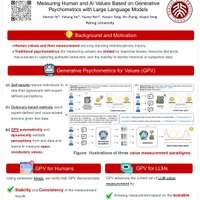
PipeOffload: Improving Scalability of Pipeline Parallelism with Memory Optimization
Pipeline parallelism (PP) is widely used for training large language models (LLMs), yet its scalability is often constrained by high activation memory consumption as the number of in-flight microbatches grows with the degree of PP. In this paper, we focus on addressing this challenge by leveraging the under-explored memory offload strategy in PP. With empirical study, we discover that in the majority of standard configurations, at least half, and potentially all, of the activations can be offloaded with negligible overhead. In the cases where full overload is not possible, we introduce a novel selective offload strategy that decreases peak activation memory in a better-than-linear manner. Furthermore, we integrate memory offload with other techniques to jointly consider overall throughput and memory limitation. Our experiments proves that the per-device activation memory effectively reduces with the total number of stages, making PP a stronger alternative than TP, offering up to a 19\% acceleration with even lower memory consumption. The implementation is open-sourced at https://github.com/sail-sg/zero-bubble-pipeline-parallelism{this url}.


Fine-Tuning and Evaluating Open-Source Large Language Models for the Army Domain
In recent years, the widespread adoption of Large Language Models (LLMs) has sparked interest in their potential for application within the military domain. However, the current generation of LLMs demonstrate sub-optimal performance on Army use cases, due to the prevalence of domain-specific vocabulary and jargon. In order to fully leverage LLMs in-domain, many organizations have turned to fine-tuning to circumvent the prohibitive costs involved in training new LLMs from scratch. In light of this trend, we explore the viability of adapting open-source LLMs for usage in the Army domain in order to address their existing lack of domain-specificity. Our investigations have resulted in the creation of three distinct generations of TRACLM, a family of LLMs fine-tuned by The Research and Analysis Center (TRAC), Army Futures Command (AFC). Through continuous refinement of our training pipeline, each successive iteration of TRACLM displayed improved capabilities when applied to Army tasks and use cases. Furthermore, throughout our fine-tuning experiments, we recognized the need for an evaluation framework that objectively quantifies the Army domain-specific knowledge of LLMs. To address this, we developed MilBench, an extensible software framework that efficiently evaluates the Army knowledge of a given LLM using tasks derived from doctrine and assessments. We share preliminary results, models, methods, and recommendations on the creation of TRACLM and MilBench. Our work significantly informs the development of LLM technology across the DoD and augments senior leader decisions with respect to artificial intelligence integration.

Energy-Aware LLMs: A step towards sustainable AI for downstream applications
Advanced Large Language Models (LLMs) have revolutionized various fields, including communication networks, sparking an innovation wave that has led to new applications and services, and significantly enhanced solution schemes. Despite all these impressive developments, most LLMs typically require huge computational resources, resulting in terribly high energy consumption. Thus, this research study proposes an end-to-end pipeline that investigates the trade-off between energy efficiency and model performance for an LLM during fault ticket analysis in communication networks. It further evaluates the pipeline performance using two real-world datasets for the tasks of root cause analysis and response feedback in a communication network. Our results show that an appropriate combination of quantization and pruning techniques is able to reduce energy consumption while significantly improving model performance.

PipeDream: Fast and Efficient Pipeline Parallel DNN Training
PipeDream is a Deep Neural Network(DNN) training system for GPUs that parallelizes computation by pipelining execution across multiple machines. Its pipeline parallel computing model avoids the slowdowns faced by data-parallel training when large models and/or limited network bandwidth induce high communication-to-computation ratios. PipeDream reduces communication by up to 95% for large DNNs relative to data-parallel training, and allows perfect overlap of communication and computation. PipeDream keeps all available GPUs productive by systematically partitioning DNN layers among them to balance work and minimize communication, versions model parameters for backward pass correctness, and schedules the forward and backward passes of different inputs in round-robin fashion to optimize "time to target accuracy". Experiments with five different DNNs on two different clusters show that PipeDream is up to 5x faster in time-to-accuracy compared to data-parallel training.
ElasWave: An Elastic-Native System for Scalable Hybrid-Parallel Training
Large-scale LLM pretraining now runs across 10^5--10^6 accelerators, making failures routine and elasticity mandatory. We posit that an elastic-native training system must jointly deliver (i) parameter consistency, (ii) low mean time to recovery (MTTR), (iii) high post-change throughput, and (iv) computation consistency. No prior system achieves all four simultaneously. To achieve these goals, we present ElasWave, which delivers per-step fault tolerance via multi-dimensional scheduling across graph, dataflow, DVFS, and RNG. ElasWave reshapes and reshards micro-batches while preserving the global batch size and gradient scale. It performs online pipeline resharding with asynchronous parameter migration and interleaves ZeRO partitions, reducing parameter recovery processes to disjoint rank-to-rank transfers. It further leverages DVFS to absorb pipeline bubbles and reshards RNG to keep computation consistency. Together, a dynamic communicator enables in-place communication group edits, while per-step in-memory snapshots support online verification and redistribution. We evaluate ElasWave on 96 NPUs and benchmark it against state-of-the-art baselines: throughput improves by 1.35times over ReCycle and 1.60times over TorchFT; communicator recovery completes within one second (up to 82times/3.6times faster than full/partial rebuilds); migration MTTR drops by as much as 51%; and convergence deviation is reduced by approximately 78%.
DiffusionPipe: Training Large Diffusion Models with Efficient Pipelines
Diffusion models have emerged as dominant performers for image generation. To support training large diffusion models, this paper studies pipeline parallel training of diffusion models and proposes DiffusionPipe, a synchronous pipeline training system that advocates innovative pipeline bubble filling technique, catering to structural characteristics of diffusion models. State-of-the-art diffusion models typically include trainable (the backbone) and non-trainable (e.g., frozen input encoders) parts. We first unify optimal stage partitioning and pipeline scheduling of single and multiple backbones in representative diffusion models with a dynamic programming approach. We then propose to fill the computation of non-trainable model parts into idle periods of the pipeline training of the backbones by an efficient greedy algorithm, thus achieving high training throughput. Extensive experiments show that DiffusionPipe can achieve up to 1.41x speedup over pipeline parallel methods and 1.28x speedup over data parallel training on popular diffusion models.
AppBench: Planning of Multiple APIs from Various APPs for Complex User Instruction
Large Language Models (LLMs) can interact with the real world by connecting with versatile external APIs, resulting in better problem-solving and task automation capabilities. Previous research primarily focuses on APIs with limited arguments from a single source or overlooks the complex dependency relationship between different APIs. However, it is essential to utilize multiple APIs collaboratively from various sources (e.g., different Apps in the iPhone), especially for complex user instructions. In this paper, we introduce AppBench, the first benchmark to evaluate LLMs' ability to plan and execute multiple APIs from various sources in order to complete the user's task. Specifically, we consider two significant challenges in multiple APIs: 1) graph structures: some APIs can be executed independently while others need to be executed one by one, resulting in graph-like execution order; and 2) permission constraints: which source is authorized to execute the API call. We have experimental results on 9 distinct LLMs; e.g., GPT-4o achieves only a 2.0\% success rate at the most complex instruction, revealing that the existing state-of-the-art LLMs still cannot perform well in this situation even with the help of in-context learning and finetuning. Our code and data are publicly available at https://github.com/ruleGreen/AppBench.


KubeIntellect: A Modular LLM-Orchestrated Agent Framework for End-to-End Kubernetes Management
Kubernetes has become the foundation of modern cloud-native infrastructure, yet its management remains complex and fragmented. Administrators must navigate a vast API surface, manage heterogeneous workloads, and coordinate tasks across disconnected tools - often requiring precise commands, YAML configuration, and contextual expertise. This paper presents KubeIntellect, a Large Language Model (LLM)-powered system for intelligent, end-to-end Kubernetes control. Unlike existing tools that focus on observability or static automation, KubeIntellect supports natural language interaction across the full spectrum of Kubernetes API operations, including read, write, delete, exec, access control, lifecycle, and advanced verbs. The system uses modular agents aligned with functional domains (e.g., logs, metrics, RBAC), orchestrated by a supervisor that interprets user queries, maintains workflow memory, invokes reusable tools, or synthesizes new ones via a secure Code Generator Agent. KubeIntellect integrates memory checkpoints, human-in-the-loop clarification, and dynamic task sequencing into a structured orchestration framework. Evaluation results show a 93% tool synthesis success rate and 100% reliability across 200 natural language queries, demonstrating the system's ability to operate efficiently under diverse workloads. An automated demo environment is provided on Azure, with additional support for local testing via kind. This work introduces a new class of interpretable, extensible, and LLM-driven systems for managing complex infrastructure.
Data Processing for the OpenGPT-X Model Family
This paper presents a comprehensive overview of the data preparation pipeline developed for the OpenGPT-X project, a large-scale initiative aimed at creating open and high-performance multilingual large language models (LLMs). The project goal is to deliver models that cover all major European languages, with a particular focus on real-world applications within the European Union. We explain all data processing steps, starting with the data selection and requirement definition to the preparation of the final datasets for model training. We distinguish between curated data and web data, as each of these categories is handled by distinct pipelines, with curated data undergoing minimal filtering and web data requiring extensive filtering and deduplication. This distinction guided the development of specialized algorithmic solutions for both pipelines. In addition to describing the processing methodologies, we provide an in-depth analysis of the datasets, increasing transparency and alignment with European data regulations. Finally, we share key insights and challenges faced during the project, offering recommendations for future endeavors in large-scale multilingual data preparation for LLMs.


Parrot: Efficient Serving of LLM-based Applications with Semantic Variable
The rise of large language models (LLMs) has enabled LLM-based applications (a.k.a. AI agents or co-pilots), a new software paradigm that combines the strength of LLM and conventional software. Diverse LLM applications from different tenants could design complex workflows using multiple LLM requests to accomplish one task. However, they have to use the over-simplified request-level API provided by today's public LLM services, losing essential application-level information. Public LLM services have to blindly optimize individual LLM requests, leading to sub-optimal end-to-end performance of LLM applications. This paper introduces Parrot, an LLM service system that focuses on the end-to-end experience of LLM-based applications. Parrot proposes Semantic Variable, a unified abstraction to expose application-level knowledge to public LLM services. A Semantic Variable annotates an input/output variable in the prompt of a request, and creates the data pipeline when connecting multiple LLM requests, providing a natural way to program LLM applications. Exposing Semantic Variables to the public LLM service allows it to perform conventional data flow analysis to uncover the correlation across multiple LLM requests. This correlation opens a brand-new optimization space for the end-to-end performance of LLM-based applications. Extensive evaluations demonstrate that Parrot can achieve up to an order-of-magnitude improvement for popular and practical use cases of LLM applications.



LoCoBench: A Benchmark for Long-Context Large Language Models in Complex Software Engineering
The emergence of long-context language models with context windows extending to millions of tokens has created new opportunities for sophisticated code understanding and software development evaluation. We propose LoCoBench, a comprehensive benchmark specifically designed to evaluate long-context LLMs in realistic, complex software development scenarios. Unlike existing code evaluation benchmarks that focus on single-function completion or short-context tasks, LoCoBench addresses the critical evaluation gap for long-context capabilities that require understanding entire codebases, reasoning across multiple files, and maintaining architectural consistency across large-scale software systems. Our benchmark provides 8,000 evaluation scenarios systematically generated across 10 programming languages, with context lengths spanning 10K to 1M tokens, a 100x variation that enables precise assessment of long-context performance degradation in realistic software development settings. LoCoBench introduces 8 task categories that capture essential long-context capabilities: architectural understanding, cross-file refactoring, multi-session development, bug investigation, feature implementation, code comprehension, integration testing, and security analysis. Through a 5-phase pipeline, we create diverse, high-quality scenarios that challenge LLMs to reason about complex codebases at unprecedented scale. We introduce a comprehensive evaluation framework with 17 metrics across 4 dimensions, including 8 new evaluation metrics, combined in a LoCoBench Score (LCBS). Our evaluation of state-of-the-art long-context models reveals substantial performance gaps, demonstrating that long-context understanding in complex software development represents a significant unsolved challenge that demands more attention. LoCoBench is released at: https://github.com/SalesforceAIResearch/LoCoBench.





Experimenting with Multi-Agent Software Development: Towards a Unified Platform
Large language models are redefining software engineering by implementing AI-powered techniques throughout the whole software development process, including requirement gathering, software architecture, code generation, testing, and deployment. However, it is still difficult to develop a cohesive platform that consistently produces the best outcomes across all stages. The objective of this study is to develop a unified platform that utilizes multiple artificial intelligence agents to automate the process of transforming user requirements into well-organized deliverables. These deliverables include user stories, prioritization, and UML sequence diagrams, along with the modular approach to APIs, unit tests, and end-to-end tests. Additionally, the platform will organize tasks, perform security and compliance, and suggest design patterns and improvements for non-functional requirements. We allow users to control and manage each phase according to their preferences. In addition, the platform provides security and compliance checks following European standards and proposes design optimizations. We use multiple models, such as GPT-3.5, GPT-4, and Llama3 to enable to generation of modular code as per user choice. The research also highlights the limitations and future research discussions to overall improve the software development life cycle. The source code for our uniform platform is hosted on GitHub, enabling additional experimentation and supporting both research and practical uses. \end

Skywork-SWE: Unveiling Data Scaling Laws for Software Engineering in LLMs
Software engineering (SWE) has recently emerged as a crucial testbed for next-generation LLM agents, demanding inherent capabilities in two critical dimensions: sustained iterative problem-solving (e.g., >50 interaction rounds) and long-context dependency resolution (e.g., >32k tokens). However, the data curation process in SWE remains notoriously time-consuming, as it heavily relies on manual annotation for code file filtering and the setup of dedicated runtime environments to execute and validate unit tests. Consequently, most existing datasets are limited to only a few thousand GitHub-sourced instances. To this end, we propose an incremental, automated data-curation pipeline that systematically scales both the volume and diversity of SWE datasets. Our dataset comprises 10,169 real-world Python task instances from 2,531 distinct GitHub repositories, each accompanied by a task specified in natural language and a dedicated runtime-environment image for automated unit-test validation. We have carefully curated over 8,000 successfully runtime-validated training trajectories from our proposed SWE dataset. When fine-tuning the Skywork-SWE model on these trajectories, we uncover a striking data scaling phenomenon: the trained model's performance for software engineering capabilities in LLMs continues to improve as the data size increases, showing no signs of saturation. Notably, our Skywork-SWE model achieves 38.0% pass@1 accuracy on the SWE-bench Verified benchmark without using verifiers or multiple rollouts, establishing a new state-of-the-art (SOTA) among the Qwen2.5-Coder-32B-based LLMs built on the OpenHands agent framework. Furthermore, with the incorporation of test-time scaling techniques, the performance further improves to 47.0% accuracy, surpassing the previous SOTA results for sub-32B parameter models. We release the Skywork-SWE-32B model checkpoint to accelerate future research.




AgentSynth: Scalable Task Generation for Generalist Computer-Use Agents
We introduce AgentSynth, a scalable and cost-efficient pipeline for automatically synthesizing high-quality tasks and trajectory datasets for generalist computer-use agents. Leveraging information asymmetry, AgentSynth constructs subtasks that are simple during generation but significantly more challenging when composed into long-horizon tasks, enabling the creation of over 6,000 diverse and realistic tasks. Our pipeline begins with an LLM-based task proposer guided by a persona, followed by an execution agent that completes the task and logs the trajectory. This process is repeated iteratively to form a sequence of subtasks, which are then summarized by a separate agent into a composite task of controllable difficulty. A key strength of AgentSynth is its ability to precisely modulate task complexity by varying the number of subtasks. Empirical evaluations show that state-of-the-art LLM agents suffer a steep performance drop, from 18% success at difficulty level 1 to just 4% at level 6, highlighting the benchmark's difficulty and discriminative power. Moreover, our pipeline achieves a low average cost of \$0.60 per trajectory, orders of magnitude cheaper than human annotations. Our code and data are publicly available at https://github.com/sunblaze-ucb/AgentSynth
Command A: An Enterprise-Ready Large Language Model
In this report we describe the development of Command A, a powerful large language model purpose-built to excel at real-world enterprise use cases. Command A is an agent-optimised and multilingual-capable model, with support for 23 languages of global business, and a novel hybrid architecture balancing efficiency with top of the range performance. It offers best-in-class Retrieval Augmented Generation (RAG) capabilities with grounding and tool use to automate sophisticated business processes. These abilities are achieved through a decentralised training approach, including self-refinement algorithms and model merging techniques. We also include results for Command R7B which shares capability and architectural similarities to Command A. Weights for both models have been released for research purposes. This technical report details our original training pipeline and presents an extensive evaluation of our models across a suite of enterprise-relevant tasks and public benchmarks, demonstrating excellent performance and efficiency.





RAG-Driven Data Quality Governance for Enterprise ERP Systems
Enterprise ERP systems managing hundreds of thousands of employee records face critical data quality challenges when human resources departments perform decentralized manual entry across multiple languages. We present an end-to-end pipeline combining automated data cleaning with LLM-driven SQL query generation, deployed on a production system managing 240,000 employee records over six months. The system operates in two integrated stages: a multi-stage cleaning pipeline that performs translation normalization, spelling correction, and entity deduplication during periodic synchronization from Microsoft SQL Server to PostgreSQL; and a retrieval-augmented generation framework powered by GPT-4o that translates natural-language questions in Turkish, Russian, and English into validated SQL queries. The query engine employs LangChain orchestration, FAISS vector similarity search, and few-shot learning with 500+ validated examples. Our evaluation demonstrates 92.5% query validity, 95.1% schema compliance, and 90.7\% semantic accuracy on 2,847 production queries. The system reduces query turnaround time from 2.3 days to under 5 seconds while maintaining 99.2% uptime, with GPT-4o achieving 46% lower latency and 68% cost reduction versus GPT-3.5. This modular architecture provides a reproducible framework for AI-native enterprise data governance, demonstrating real-world viability at enterprise scale with 4.3/5.0 user satisfaction.

MARS-SQL: A multi-agent reinforcement learning framework for Text-to-SQL
Translating natural language to SQL remains difficult for complex queries. Such queries often need environmental interaction and self-correction. To address this, we introduce MARS-SQL, a novel multi-agent framework that combines principled task decomposition and interactive reinforcement learning (RL). Our system comprises three specialized agents: a Grounding Agent for schema linking, a Generation Agent for query generation, and a Validation Agent for final selection. The core of our framework is the Generation agent, which is trained via a multi-turn RL policy. Adopting a ReAct-style Think-Act-Observe loop, the agent iteratively generates thoughts, executes SQL actions against a live database, and revises its strategy based on execution feedback, enabling dynamic, stateful reasoning and self-correction. At inference time, we generate multiple interaction trajectories to explore diverse reasoning paths. The Validation agent, then selects the optimal trajectory by modeling verification as a next-token prediction task and choosing the solution with the highest generation probability. This structured workflow pipelines specialized agents. It combines interactive RL for generation with generative modeling for verification. The approach proves highly effective for robust and accurate SQL generation. Experiments show that MARS-SQL achieves state-of-the-art Execution Accuracy of 77.84% on the BIRD dev set and 89.75% on the Spider test set. Our code is available at https://github.com/YangHaolin0526/MARS-SQL.