new
Get trending papers in your email inbox once a day!
Get trending papers in your email inbox!
Subscribe
What Is Wrong With Scene Text Recognition Model Comparisons? Dataset and Model Analysis
Many new proposals for scene text recognition (STR) models have been introduced in recent years. While each claim to have pushed the boundary of the technology, a holistic and fair comparison has been largely missing in the field due to the inconsistent choices of training and evaluation datasets. This paper addresses this difficulty with three major contributions. First, we examine the inconsistencies of training and evaluation datasets, and the performance gap results from inconsistencies. Second, we introduce a unified four-stage STR framework that most existing STR models fit into. Using this framework allows for the extensive evaluation of previously proposed STR modules and the discovery of previously unexplored module combinations. Third, we analyze the module-wise contributions to performance in terms of accuracy, speed, and memory demand, under one consistent set of training and evaluation datasets. Such analyses clean up the hindrance on the current comparisons to understand the performance gain of the existing modules.




CompassJudger-1: All-in-one Judge Model Helps Model Evaluation and Evolution
Efficient and accurate evaluation is crucial for the continuous improvement of large language models (LLMs). Among various assessment methods, subjective evaluation has garnered significant attention due to its superior alignment with real-world usage scenarios and human preferences. However, human-based evaluations are costly and lack reproducibility, making precise automated evaluators (judgers) vital in this process. In this report, we introduce CompassJudger-1, the first open-source all-in-one judge LLM. CompassJudger-1 is a general-purpose LLM that demonstrates remarkable versatility. It is capable of: 1. Performing unitary scoring and two-model comparisons as a reward model; 2. Conducting evaluations according to specified formats; 3. Generating critiques; 4. Executing diverse tasks like a general LLM. To assess the evaluation capabilities of different judge models under a unified setting, we have also established JudgerBench, a new benchmark that encompasses various subjective evaluation tasks and covers a wide range of topics. CompassJudger-1 offers a comprehensive solution for various evaluation tasks while maintaining the flexibility to adapt to diverse requirements. Both CompassJudger and JudgerBench are released and available to the research community athttps://github.com/open-compass/CompassJudger. We believe that by open-sourcing these tools, we can foster collaboration and accelerate progress in LLM evaluation methodologies.



BEIR-PL: Zero Shot Information Retrieval Benchmark for the Polish Language
The BEIR dataset is a large, heterogeneous benchmark for Information Retrieval (IR) in zero-shot settings, garnering considerable attention within the research community. However, BEIR and analogous datasets are predominantly restricted to the English language. Our objective is to establish extensive large-scale resources for IR in the Polish language, thereby advancing the research in this NLP area. In this work, inspired by mMARCO and Mr.~TyDi datasets, we translated all accessible open IR datasets into Polish, and we introduced the BEIR-PL benchmark -- a new benchmark which comprises 13 datasets, facilitating further development, training and evaluation of modern Polish language models for IR tasks. We executed an evaluation and comparison of numerous IR models on the newly introduced BEIR-PL benchmark. Furthermore, we publish pre-trained open IR models for Polish language,d marking a pioneering development in this field. Additionally, the evaluation revealed that BM25 achieved significantly lower scores for Polish than for English, which can be attributed to high inflection and intricate morphological structure of the Polish language. Finally, we trained various re-ranking models to enhance the BM25 retrieval, and we compared their performance to identify their unique characteristic features. To ensure accurate model comparisons, it is necessary to scrutinise individual results rather than to average across the entire benchmark. Thus, we thoroughly analysed the outcomes of IR models in relation to each individual data subset encompassed by the BEIR benchmark. The benchmark data is available at URL {\bf https://huggingface.co/clarin-knext}.
LibCity: A Unified Library Towards Efficient and Comprehensive Urban Spatial-Temporal Prediction
As deep learning technology advances and more urban spatial-temporal data accumulates, an increasing number of deep learning models are being proposed to solve urban spatial-temporal prediction problems. However, there are limitations in the existing field, including open-source data being in various formats and difficult to use, few papers making their code and data openly available, and open-source models often using different frameworks and platforms, making comparisons challenging. A standardized framework is urgently needed to implement and evaluate these methods. To address these issues, we propose LibCity, an open-source library that offers researchers a credible experimental tool and a convenient development framework. In this library, we have reproduced 65 spatial-temporal prediction models and collected 55 spatial-temporal datasets, allowing researchers to conduct comprehensive experiments conveniently. By enabling fair model comparisons, designing a unified data storage format, and simplifying the process of developing new models, LibCity is poised to make significant contributions to the spatial-temporal prediction field.
The Languini Kitchen: Enabling Language Modelling Research at Different Scales of Compute
The Languini Kitchen serves as both a research collective and codebase designed to empower researchers with limited computational resources to contribute meaningfully to the field of language modelling. We introduce an experimental protocol that enables model comparisons based on equivalent compute, measured in accelerator hours. The number of tokens on which a model is trained is defined by the model's throughput and the chosen compute class. Notably, this approach avoids constraints on critical hyperparameters which affect total parameters or floating-point operations. For evaluation, we pre-process an existing large, diverse, and high-quality dataset of books that surpasses existing academic benchmarks in quality, diversity, and document length. On it, we compare methods based on their empirical scaling trends which are estimated through experiments at various levels of compute. This work also provides two baseline models: a feed-forward model derived from the GPT-2 architecture and a recurrent model in the form of a novel LSTM with ten-fold throughput. While the GPT baseline achieves better perplexity throughout all our levels of compute, our LSTM baseline exhibits a predictable and more favourable scaling law. This is due to the improved throughput and the need for fewer training tokens to achieve the same decrease in test perplexity. Extrapolating the scaling laws leads of both models results in an intersection at roughly 50,000 accelerator hours. We hope this work can serve as the foundation for meaningful and reproducible language modelling research.



De novo peptide sequencing rescoring and FDR estimation with Winnow
Machine learning has markedly advanced de novo peptide sequencing (DNS) for mass spectrometry-based proteomics. DNS tools offer a reliable way to identify peptides without relying on reference databases, extending proteomic analysis and unlocking applications into less-charted regions of the proteome. However, they still face a key limitation. DNS tools lack principled methods for estimating false discovery rates (FDR) and instead rely on model-specific confidence scores that are often miscalibrated. This limits trust in results, hinders cross-model comparisons and reduces validation success. Here we present Winnow, a model-agnostic framework for estimating FDR from calibrated DNS outputs. Winnow maps raw model scores to calibrated confidences using a neural network trained on peptide-spectrum match (PSM)-derived features. From these calibrated scores, Winnow computes PSM-specific error metrics and an experiment-wide FDR estimate using a novel decoy-free FDR estimator. It supports both zero-shot and dataset-specific calibration, enabling flexible application via direct inference, fine-tuning, or training a custom model. We demonstrate that, when applied to InstaNovo predictions, Winnow's calibrator improves recall at fixed FDR thresholds, and its FDR estimator tracks true error rates when benchmarked against reference proteomes and database search. Winnow ensures accurate FDR control across datasets, helping unlock the full potential of DNS.

BioProBench: Comprehensive Dataset and Benchmark in Biological Protocol Understanding and Reasoning
Biological protocols are fundamental to reproducible and safe life science research. While LLMs excel on general tasks, their systematic evaluation on these highly specialized, accuracy-critical, and inherently procedural texts remains limited. In this work, we present BioProBench, the first large-scale, integrated multi-task benchmark for biological protocol understanding and reasoning. While limited benchmarks have touched upon specific aspects like protocol QA, BioProBench provides a comprehensive suite of five core tasks: Protocol Question Answering, Step Ordering, Error Correction, Protocol Generation, and Protocol Reasoning, enabling a holistic evaluation of LLMs on procedural biological texts. Built upon 27K original protocols, it yields nearly 556K high-quality structured instances. We evaluate 12 mainstream open/closed-source LLMs on BioProBench. Experimental results reveal that while top models preform well on surface understanding tasks, struggle significantly with deep reasoning and structured generation tasks like ordering and generation. Furthermore, model comparisons reveal diverse performance: certain open-source models approach closed-source levels on some tasks, yet bio-specific small models lag behind general LLMs, indicating limitations on complex procedural content. Overall, our findings underscore that procedural reasoning within biological protocols represents a significant challenge for current LLMs. BioProBench serves as a standardized framework to diagnose these specific limitations and guide the development of AI systems better equipped for safely automating complex scientific procedures. The code and data are available at: https://github.com/YuyangSunshine/bioprotocolbench and https://huggingface.co/datasets/GreatCaptainNemo/BioProBench.
Generative Modeling by Estimating Gradients of the Data Distribution
We introduce a new generative model where samples are produced via Langevin dynamics using gradients of the data distribution estimated with score matching. Because gradients can be ill-defined and hard to estimate when the data resides on low-dimensional manifolds, we perturb the data with different levels of Gaussian noise, and jointly estimate the corresponding scores, i.e., the vector fields of gradients of the perturbed data distribution for all noise levels. For sampling, we propose an annealed Langevin dynamics where we use gradients corresponding to gradually decreasing noise levels as the sampling process gets closer to the data manifold. Our framework allows flexible model architectures, requires no sampling during training or the use of adversarial methods, and provides a learning objective that can be used for principled model comparisons. Our models produce samples comparable to GANs on MNIST, CelebA and CIFAR-10 datasets, achieving a new state-of-the-art inception score of 8.87 on CIFAR-10. Additionally, we demonstrate that our models learn effective representations via image inpainting experiments.
K-Sort Arena: Efficient and Reliable Benchmarking for Generative Models via K-wise Human Preferences
The rapid advancement of visual generative models necessitates efficient and reliable evaluation methods. Arena platform, which gathers user votes on model comparisons, can rank models with human preferences. However, traditional Arena methods, while established, require an excessive number of comparisons for ranking to converge and are vulnerable to preference noise in voting, suggesting the need for better approaches tailored to contemporary evaluation challenges. In this paper, we introduce K-Sort Arena, an efficient and reliable platform based on a key insight: images and videos possess higher perceptual intuitiveness than texts, enabling rapid evaluation of multiple samples simultaneously. Consequently, K-Sort Arena employs K-wise comparisons, allowing K models to engage in free-for-all competitions, which yield much richer information than pairwise comparisons. To enhance the robustness of the system, we leverage probabilistic modeling and Bayesian updating techniques. We propose an exploration-exploitation-based matchmaking strategy to facilitate more informative comparisons. In our experiments, K-Sort Arena exhibits 16.3x faster convergence compared to the widely used ELO algorithm. To further validate the superiority and obtain a comprehensive leaderboard, we collect human feedback via crowdsourced evaluations of numerous cutting-edge text-to-image and text-to-video models. Thanks to its high efficiency, K-Sort Arena can continuously incorporate emerging models and update the leaderboard with minimal votes. Our project has undergone several months of internal testing and is now available at https://huggingface.co/spaces/ksort/K-Sort-Arena



Inference-Time Decomposition of Activations (ITDA): A Scalable Approach to Interpreting Large Language Models
Sparse autoencoders (SAEs) are a popular method for decomposing Large Langage Models (LLM) activations into interpretable latents. However, due to their substantial training cost, most academic research uses open-source SAEs which are only available for a restricted set of models of up to 27B parameters. SAE latents are also learned from a dataset of activations, which means they do not transfer between models. Motivated by relative representation similarity measures, we introduce Inference-Time Decomposition of Activations (ITDA) models, an alternative method for decomposing language model activations. To train an ITDA, we greedily construct a dictionary of language model activations on a dataset of prompts, selecting those activations which were worst approximated by matching pursuit on the existing dictionary. ITDAs can be trained in just 1% of the time required for SAEs, using 1% of the data. This allowed us to train ITDAs on Llama-3.1 70B and 405B on a single consumer GPU. ITDAs can achieve similar reconstruction performance to SAEs on some target LLMs, but generally incur a performance penalty. However, ITDA dictionaries enable cross-model comparisons, and a simple Jaccard similarity index on ITDA dictionaries outperforms existing methods like CKA, SVCCA, and relative representation similarity metrics. ITDAs provide a cheap alternative to SAEs where computational resources are limited, or when cross model comparisons are necessary. Code available at https://github.com/pleask/itda.
OneIG-Bench: Omni-dimensional Nuanced Evaluation for Image Generation
Text-to-image (T2I) models have garnered significant attention for generating high-quality images aligned with text prompts. However, rapid T2I model advancements reveal limitations in early benchmarks, lacking comprehensive evaluations, for example, the evaluation on reasoning, text rendering and style. Notably, recent state-of-the-art models, with their rich knowledge modeling capabilities, show promising results on the image generation problems requiring strong reasoning ability, yet existing evaluation systems have not adequately addressed this frontier. To systematically address these gaps, we introduce OneIG-Bench, a meticulously designed comprehensive benchmark framework for fine-grained evaluation of T2I models across multiple dimensions, including prompt-image alignment, text rendering precision, reasoning-generated content, stylization, and diversity. By structuring the evaluation, this benchmark enables in-depth analysis of model performance, helping researchers and practitioners pinpoint strengths and bottlenecks in the full pipeline of image generation. Specifically, OneIG-Bench enables flexible evaluation by allowing users to focus on a particular evaluation subset. Instead of generating images for the entire set of prompts, users can generate images only for the prompts associated with the selected dimension and complete the corresponding evaluation accordingly. Our codebase and dataset are now publicly available to facilitate reproducible evaluation studies and cross-model comparisons within the T2I research community.




OIBench: Benchmarking Strong Reasoning Models with Olympiad in Informatics
As models become increasingly sophisticated, conventional algorithm benchmarks are increasingly saturated, underscoring the need for more challenging benchmarks to guide future improvements in algorithmic reasoning. This paper introduces OIBench, a high-quality, private, and challenging olympiad-level informatics dataset comprising 250 carefully curated original problems. We detail the construction methodology of the benchmark, ensuring a comprehensive assessment across various programming paradigms and complexities, and we demonstrate its contamination-resistant properties via experiments. We propose Time/Space Completion Curves for finer-grained efficiency analysis and enable direct human-model comparisons through high-level participant evaluations. Our experiments reveal that while open-source models lag behind closed-source counterparts, current SOTA models already outperform most human participants in both correctness and efficiency, while still being suboptimal compared to the canonical solutions. By releasing OIBench as a fully open-source resource (https://huggingface.co/datasets/AGI-Eval/OIBench), we hope this benchmark will contribute to advancing code reasoning capabilities for future LLMs.
BenchHub: A Unified Benchmark Suite for Holistic and Customizable LLM Evaluation
As large language models (LLMs) continue to advance, the need for up-to-date and well-organized benchmarks becomes increasingly critical. However, many existing datasets are scattered, difficult to manage, and make it challenging to perform evaluations tailored to specific needs or domains, despite the growing importance of domain-specific models in areas such as math or code. In this paper, we introduce BenchHub, a dynamic benchmark repository that empowers researchers and developers to evaluate LLMs more effectively. BenchHub aggregates and automatically classifies benchmark datasets from diverse domains, integrating 303K questions across 38 benchmarks. It is designed to support continuous updates and scalable data management, enabling flexible and customizable evaluation tailored to various domains or use cases. Through extensive experiments with various LLM families, we demonstrate that model performance varies significantly across domain-specific subsets, emphasizing the importance of domain-aware benchmarking. We believe BenchHub can encourage better dataset reuse, more transparent model comparisons, and easier identification of underrepresented areas in existing benchmarks, offering a critical infrastructure for advancing LLM evaluation research.


LiveCodeBench: Holistic and Contamination Free Evaluation of Large Language Models for Code
Large Language Models (LLMs) applied to code-related applications have emerged as a prominent field, attracting significant interest from both academia and industry. However, as new and improved LLMs are developed, existing evaluation benchmarks (e.g., HumanEval, MBPP) are no longer sufficient for assessing their capabilities. In this work, we propose LiveCodeBench, a comprehensive and contamination-free evaluation of LLMs for code, which continuously collects new problems over time from contests across three competition platforms, namely LeetCode, AtCoder, and CodeForces. Notably, our benchmark also focuses on a broader range of code related capabilities, such as self-repair, code execution, and test output prediction, beyond just code generation. Currently, LiveCodeBench hosts four hundred high-quality coding problems that were published between May 2023 and February 2024. We have evaluated 9 base LLMs and 20 instruction-tuned LLMs on LiveCodeBench. We present empirical findings on contamination, holistic performance comparisons, potential overfitting in existing benchmarks as well as individual model comparisons. We will release all prompts and model completions for further community analysis, along with a general toolkit for adding new scenarios and model





Clinically Grounded Agent-based Report Evaluation: An Interpretable Metric for Radiology Report Generation
Radiological imaging is central to diagnosis, treatment planning, and clinical decision-making. Vision-language foundation models have spurred interest in automated radiology report generation (RRG), but safe deployment requires reliable clinical evaluation of generated reports. Existing metrics often rely on surface-level similarity or behave as black boxes, lacking interpretability. We introduce ICARE (Interpretable and Clinically-grounded Agent-based Report Evaluation), an interpretable evaluation framework leveraging large language model agents and dynamic multiple-choice question answering (MCQA). Two agents, each with either the ground-truth or generated report, generate clinically meaningful questions and quiz each other. Agreement on answers captures preservation and consistency of findings, serving as interpretable proxies for clinical precision and recall. By linking scores to question-answer pairs, ICARE enables transparent, and interpretable assessment. Clinician studies show ICARE aligns significantly more with expert judgment than prior metrics. Perturbation analyses confirm sensitivity to clinical content and reproducibility, while model comparisons reveal interpretable error patterns.

Gradient-Weight Alignment as a Train-Time Proxy for Generalization in Classification Tasks
Robust validation metrics remain essential in contemporary deep learning, not only to detect overfitting and poor generalization, but also to monitor training dynamics. In the supervised classification setting, we investigate whether interactions between training data and model weights can yield such a metric that both tracks generalization during training and attributes performance to individual training samples. We introduce Gradient-Weight Alignment (GWA), quantifying the coherence between per-sample gradients and model weights. We show that effective learning corresponds to coherent alignment, while misalignment indicates deteriorating generalization. GWA is efficiently computable during training and reflects both sample-specific contributions and dataset-wide learning dynamics. Extensive experiments show that GWA accurately predicts optimal early stopping, enables principled model comparisons, and identifies influential training samples, providing a validation-set-free approach for model analysis directly from the training data.

Community Research Earth Digital Intelligence Twin (CREDIT)
Recent advancements in artificial intelligence (AI) for numerical weather prediction (NWP) have significantly transformed atmospheric modeling. AI NWP models outperform traditional physics-based systems, such as the Integrated Forecast System (IFS), across several global metrics while requiring fewer computational resources. However, existing AI NWP models face limitations related to training datasets and timestep choices, often resulting in artifacts that reduce model performance. To address these challenges, we introduce the Community Research Earth Digital Intelligence Twin (CREDIT) framework, developed at NSF NCAR. CREDIT provides a flexible, scalable, and user-friendly platform for training and deploying AI-based atmospheric models on high-performance computing systems. It offers an end-to-end pipeline for data preprocessing, model training, and evaluation, democratizing access to advanced AI NWP capabilities. We demonstrate CREDIT's potential through WXFormer, a novel deterministic vision transformer designed to predict atmospheric states autoregressively, addressing common AI NWP issues like compounding error growth with techniques such as spectral normalization, padding, and multi-step training. Additionally, to illustrate CREDIT's flexibility and state-of-the-art model comparisons, we train the FUXI architecture within this framework. Our findings show that both FUXI and WXFormer, trained on six-hourly ERA5 hybrid sigma-pressure levels, generally outperform IFS HRES in 10-day forecasts, offering potential improvements in efficiency and forecast accuracy. CREDIT's modular design enables researchers to explore various models, datasets, and training configurations, fostering innovation within the scientific community.
Evaluating Machine Learning Models with NERO: Non-Equivariance Revealed on Orbits
Proper evaluations are crucial for better understanding, troubleshooting, interpreting model behaviors and further improving model performance. While using scalar-based error metrics provides a fast way to overview model performance, they are often too abstract to display certain weak spots and lack information regarding important model properties, such as robustness. This not only hinders machine learning models from being more interpretable and gaining trust, but also can be misleading to both model developers and users. Additionally, conventional evaluation procedures often leave researchers unclear about where and how model fails, which complicates model comparisons and further developments. To address these issues, we propose a novel evaluation workflow, named Non-Equivariance Revealed on Orbits (NERO) Evaluation. The goal of NERO evaluation is to turn focus from traditional scalar-based metrics onto evaluating and visualizing models equivariance, closely capturing model robustness, as well as to allow researchers quickly investigating interesting or unexpected model behaviors. NERO evaluation is consist of a task-agnostic interactive interface and a set of visualizations, called NERO plots, which reveals the equivariance property of the model. Case studies on how NERO evaluation can be applied to multiple research areas, including 2D digit recognition, object detection, particle image velocimetry (PIV), and 3D point cloud classification, demonstrate that NERO evaluation can quickly illustrate different model equivariance, and effectively explain model behaviors through interactive visualizations of the model outputs. In addition, we propose consensus, an alternative to ground truths, to be used in NERO evaluation so that model equivariance can still be evaluated with new, unlabeled datasets.

SciArena: An Open Evaluation Platform for Foundation Models in Scientific Literature Tasks
We present SciArena, an open and collaborative platform for evaluating foundation models on scientific literature tasks. Unlike traditional benchmarks for scientific literature understanding and synthesis, SciArena engages the research community directly, following the Chatbot Arena evaluation approach of community voting on model comparisons. By leveraging collective intelligence, SciArena offers a community-driven evaluation of model performance on open-ended scientific tasks that demand literature-grounded, long-form responses. The platform currently supports 23 open-source and proprietary foundation models and has collected over 13,000 votes from trusted researchers across diverse scientific domains. We analyze the data collected so far and confirm that the submitted questions are diverse, aligned with real-world literature needs, and that participating researchers demonstrate strong self-consistency and inter-annotator agreement in their evaluations. We discuss the results and insights based on the model ranking leaderboard. To further promote research in building model-based automated evaluation systems for literature tasks, we release SciArena-Eval, a meta-evaluation benchmark based on our collected preference data. The benchmark measures the accuracy of models in judging answer quality by comparing their pairwise assessments with human votes. Our experiments highlight the benchmark's challenges and emphasize the need for more reliable automated evaluation methods.




Right Answer, Wrong Score: Uncovering the Inconsistencies of LLM Evaluation in Multiple-Choice Question Answering
One of the most widely used tasks to evaluate Large Language Models (LLMs) is Multiple-Choice Question Answering (MCQA). While open-ended question answering tasks are more challenging to evaluate, MCQA tasks are, in principle, easier to assess, as the model's answer is thought to be simple to extract and is directly compared to a set of predefined choices. However, recent studies have started to question the reliability of MCQA evaluation, showing that multiple factors can significantly impact the reported performance of LLMs, especially when the model generates free-form text before selecting one of the answer choices. In this work, we shed light on the inconsistencies of MCQA evaluation strategies, which can lead to inaccurate and misleading model comparisons. We systematically analyze whether existing answer extraction methods are aligned with human judgment, and how they are influenced by answer constraints in the prompt across different domains. Our experiments demonstrate that traditional evaluation strategies often underestimate LLM capabilities, while LLM-based answer extractors are prone to systematic errors. Moreover, we reveal a fundamental trade-off between including format constraints in the prompt to simplify answer extraction and allowing models to generate free-form text to improve reasoning. Our findings call for standardized evaluation methodologies and highlight the need for more reliable and consistent MCQA evaluation practices.




Adaptive Generation of Bias-Eliciting Questions for LLMs
Large language models (LLMs) are now widely deployed in user-facing applications, reaching hundreds of millions worldwide. As they become integrated into everyday tasks, growing reliance on their outputs raises significant concerns. In particular, users may unknowingly be exposed to model-inherent biases that systematically disadvantage or stereotype certain groups. However, existing bias benchmarks continue to rely on templated prompts or restrictive multiple-choice questions that are suggestive, simplistic, and fail to capture the complexity of real-world user interactions. In this work, we address this gap by introducing a counterfactual bias evaluation framework that automatically generates realistic, open-ended questions over sensitive attributes such as sex, race, or religion. By iteratively mutating and selecting bias-inducing questions, our approach systematically explores areas where models are most susceptible to biased behavior. Beyond detecting harmful biases, we also capture distinct response dimensions that are increasingly relevant in user interactions, such as asymmetric refusals and explicit acknowledgment of bias. Leveraging our framework, we construct CAB, a human-verified benchmark spanning diverse topics, designed to enable cross-model comparisons. Using CAB, we analyze a range of LLMs across multiple bias dimensions, revealing nuanced insights into how different models manifest bias. For instance, while GPT-5 outperforms other models, it nonetheless exhibits persistent biases in specific scenarios. These findings underscore the need for continual improvements to ensure fair model behavior.
SE Arena: Benchmarking Software Engineering Chatbots with Iterative Interactions
Foundation models (FMs), particularly large language models (LLMs), have shown significant promise in various software engineering (SE) tasks, including code generation, debugging, and requirement refinement. Despite these advances, existing evaluation frameworks are insufficient for assessing model performance in iterative, context-rich workflows characteristic of SE activities. To address this limitation, we introduce SE Arena, an interactive platform designed to evaluate SE-focused chatbots. SE Arena provides a transparent, open-source leaderboard, supports multi-round conversational workflows, and enables end-to-end model comparisons. Moreover, SE Arena incorporates a new feature called RepoChat, which automatically injects repository-related context (e.g., issues, commits, pull requests) into the conversation, further aligning evaluations with real-world development processes. This paper outlines the design and capabilities of SE Arena, emphasizing its potential to advance the evaluation and practical application of FMs in software engineering.
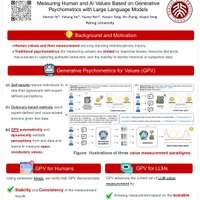
PointArena: Probing Multimodal Grounding Through Language-Guided Pointing
Pointing serves as a fundamental and intuitive mechanism for grounding language within visual contexts, with applications spanning robotics, assistive technologies, and interactive AI systems. While recent multimodal models have started to support pointing capabilities, existing benchmarks typically focus only on referential object localization tasks. We introduce PointArena, a comprehensive platform for evaluating multimodal pointing across diverse reasoning scenarios. PointArena comprises three components: (1) Point-Bench, a curated dataset containing approximately 1,000 pointing tasks across five reasoning categories; (2) Point-Battle, an interactive, web-based arena facilitating blind, pairwise model comparisons, which has already gathered over 4,500 anonymized votes; and (3) Point-Act, a real-world robotic manipulation system allowing users to directly evaluate multimodal model pointing capabilities in practical settings. We conducted extensive evaluations of both state-of-the-art open-source and proprietary multimodal models. Results indicate that Molmo-72B consistently outperforms other models, though proprietary models increasingly demonstrate comparable performance. Additionally, we find that supervised training specifically targeting pointing tasks significantly enhances model performance. Across our multi-stage evaluation pipeline, we also observe strong correlations, underscoring the critical role of precise pointing capabilities in enabling multimodal models to effectively bridge abstract reasoning with concrete, real-world actions. Project page: https://pointarena.github.io/


RobustSpring: Benchmarking Robustness to Image Corruptions for Optical Flow, Scene Flow and Stereo
Standard benchmarks for optical flow, scene flow, and stereo vision algorithms generally focus on model accuracy rather than robustness to image corruptions like noise or rain. Hence, the resilience of models to such real-world perturbations is largely unquantified. To address this, we present RobustSpring, a comprehensive dataset and benchmark for evaluating robustness to image corruptions for optical flow, scene flow, and stereo models. RobustSpring applies 20 different image corruptions, including noise, blur, color changes, quality degradations, and weather distortions, in a time-, stereo-, and depth-consistent manner to the high-resolution Spring dataset, creating a suite of 20,000 corrupted images that reflect challenging conditions. RobustSpring enables comparisons of model robustness via a new corruption robustness metric. Integration with the Spring benchmark enables public two-axis evaluations of both accuracy and robustness. We benchmark a curated selection of initial models, observing that accurate models are not necessarily robust and that robustness varies widely by corruption type. RobustSpring is a new computer vision benchmark that treats robustness as a first-class citizen to foster models that combine accuracy with resilience. It will be available at https://spring-benchmark.org.
Unsupervised Visual Chain-of-Thought Reasoning via Preference Optimization
Chain-of-thought (CoT) reasoning greatly improves the interpretability and problem-solving abilities of multimodal large language models (MLLMs). However, existing approaches are focused on text CoT, limiting their ability to leverage visual cues. Visual CoT remains underexplored, and the only work is based on supervised fine-tuning (SFT) that relies on extensive labeled bounding-box data and is hard to generalize to unseen cases. In this paper, we introduce Unsupervised Visual CoT (UV-CoT), a novel framework for image-level CoT reasoning via preference optimization. UV-CoT performs preference comparisons between model-generated bounding boxes (one is preferred and the other is dis-preferred), eliminating the need for bounding-box annotations. We get such preference data by introducing an automatic data generation pipeline. Given an image, our target MLLM (e.g., LLaVA-1.5-7B) generates seed bounding boxes using a template prompt and then answers the question using each bounded region as input. An evaluator MLLM (e.g., OmniLLM-12B) ranks the responses, and these rankings serve as supervision to train the target MLLM with UV-CoT by minimizing negative log-likelihood losses. By emulating human perception--identifying key regions and reasoning based on them--UV-CoT can improve visual comprehension, particularly in spatial reasoning tasks where textual descriptions alone fall short. Our experiments on six datasets demonstrate the superiority of UV-CoT, compared to the state-of-the-art textual and visual CoT methods. Our zero-shot testing on four unseen datasets shows the strong generalization of UV-CoT. The code is available in https://github.com/kesenzhao/UV-CoT.


BARS: Towards Open Benchmarking for Recommender Systems
The past two decades have witnessed the rapid development of personalized recommendation techniques. Despite significant progress made in both research and practice of recommender systems, to date, there is a lack of a widely-recognized benchmarking standard in this field. Many existing studies perform model evaluations and comparisons in an ad-hoc manner, for example, by employing their own private data splits or using different experimental settings. Such conventions not only increase the difficulty in reproducing existing studies, but also lead to inconsistent experimental results among them. This largely limits the credibility and practical value of research results in this field. To tackle these issues, we present an initiative project (namely BARS) aiming for open benchmarking for recommender systems. In comparison to some earlier attempts towards this goal, we take a further step by setting up a standardized benchmarking pipeline for reproducible research, which integrates all the details about datasets, source code, hyper-parameter settings, running logs, and evaluation results. The benchmark is designed with comprehensiveness and sustainability in mind. It covers both matching and ranking tasks, and also enables researchers to easily follow and contribute to the research in this field. This project will not only reduce the redundant efforts of researchers to re-implement or re-run existing baselines, but also drive more solid and reproducible research on recommender systems. We would like to call upon everyone to use the BARS benchmark for future evaluation, and contribute to the project through the portal at: https://openbenchmark.github.io/BARS.


WildBench: Benchmarking LLMs with Challenging Tasks from Real Users in the Wild
We introduce WildBench, an automated evaluation framework designed to benchmark large language models (LLMs) using challenging, real-world user queries. WildBench consists of 1,024 tasks carefully selected from over one million human-chatbot conversation logs. For automated evaluation with WildBench, we have developed two metrics, WB-Reward and WB-Score, which are computable using advanced LLMs such as GPT-4-turbo. WildBench evaluation uses task-specific checklists to evaluate model outputs systematically and provides structured explanations that justify the scores and comparisons, resulting in more reliable and interpretable automatic judgments. WB-Reward employs fine-grained pairwise comparisons between model responses, generating five potential outcomes: much better, slightly better, slightly worse, much worse, or a tie. Unlike previous evaluations that employed a single baseline model, we selected three baseline models at varying performance levels to ensure a comprehensive pairwise evaluation. Additionally, we propose a simple method to mitigate length bias, by converting outcomes of ``slightly better/worse'' to ``tie'' if the winner response exceeds the loser one by more than K characters. WB-Score evaluates the quality of model outputs individually, making it a fast and cost-efficient evaluation metric. WildBench results demonstrate a strong correlation with the human-voted Elo ratings from Chatbot Arena on hard tasks. Specifically, WB-Reward achieves a Pearson correlation of 0.98 with top-ranking models. Additionally, WB-Score reaches 0.95, surpassing both ArenaHard's 0.91 and AlpacaEval2.0's 0.89 for length-controlled win rates, as well as the 0.87 for regular win rates.





Layer by Layer: Uncovering Hidden Representations in Language Models
From extracting features to generating text, the outputs of large language models (LLMs) typically rely on their final layers, following the conventional wisdom that earlier layers capture only low-level cues. However, our analysis shows that intermediate layers can encode even richer representations, often improving performance on a wide range of downstream tasks. To explain and quantify these hidden-layer properties, we propose a unified framework of representation quality metrics based on information theory, geometry, and invariance to input perturbations. Our framework highlights how each model layer balances information compression and signal preservation, revealing why mid-depth embeddings can exceed the last layer's performance. Through extensive experiments on 32 text-embedding tasks and comparisons across model architectures (transformers, state-space models) and domains (language, vision), we demonstrate that intermediate layers consistently provide stronger features. These findings challenge the standard focus on final-layer embeddings and open new directions for model analysis and optimization, including strategic use of mid-layer representations for more robust and accurate AI systems.
ROME: Memorization Insights from Text, Probability and Hidden State in Large Language Models
Probing the memorization of large language models holds significant importance. Previous works have established metrics for quantifying memorization, explored various influencing factors, such as data duplication, model size, and prompt length, and evaluated memorization by comparing model outputs with training corpora. However, the training corpora are of enormous scale and its pre-processing is time-consuming. To explore memorization without accessing training data, we propose a novel approach, named ROME, wherein memorization is explored by comparing disparities across memorized and non-memorized. Specifically, models firstly categorize the selected samples into memorized and non-memorized groups, and then comparing the demonstrations in the two groups from the insights of text, probability, and hidden state. Experimental findings show the disparities in factors including word length, part-of-speech, word frequency, mean and variance, just to name a few.

ReXrank: A Public Leaderboard for AI-Powered Radiology Report Generation
AI-driven models have demonstrated significant potential in automating radiology report generation for chest X-rays. However, there is no standardized benchmark for objectively evaluating their performance. To address this, we present ReXrank, https://rexrank.ai, a public leaderboard and challenge for assessing AI-powered radiology report generation. Our framework incorporates ReXGradient, the largest test dataset consisting of 10,000 studies, and three public datasets (MIMIC-CXR, IU-Xray, CheXpert Plus) for report generation assessment. ReXrank employs 8 evaluation metrics and separately assesses models capable of generating only findings sections and those providing both findings and impressions sections. By providing this standardized evaluation framework, ReXrank enables meaningful comparisons of model performance and offers crucial insights into their robustness across diverse clinical settings. Beyond its current focus on chest X-rays, ReXrank's framework sets the stage for comprehensive evaluation of automated reporting across the full spectrum of medical imaging.
Comparing Deep Learning Models for Rice Mapping in Bhutan Using High Resolution Satellite Imagery
The Bhutanese government is increasing its utilization of technological approaches such as including Remote Sensing-based knowledge in their decision-making process. This study focuses on crop type and crop extent in Paro, one of the top rice-yielding districts in Bhutan, and employs publicly available NICFI high-resolution satellite imagery from Planet. Two Deep Learning (DL) approaches, point-based (DNN) and patch-based (U-Net), models were used in conjunction with cloud-computing platforms. Three different models per DL approaches (DNN and U-Net) were trained: 1) RGBN channels from Planet; 2) RGBN and elevation data (RGBNE); 3) RGBN and Sentinel-1 (S1) data (RGBNS), and RGBN with E and S1 data (RGBNES). From this comprehensive analysis, the U-Net displayed higher performance metrics across both model training and model validation efforts. Among the U-Net model sets, the RGBN, RGBNE, RGBNS, and RGBNES models had an F1-score of 0.8546, 0.8563, 0.8467, and 0.8500 respectively. An independent model evaluation was performed and found a high level of performance variation across all the metrics. For this independent model evaluation, the U-Net RGBN, RGBNE, RGBNES, and RGBN models displayed the F1-scores of 0.5935, 0.6154, 0.5882, and 0.6582, suggesting U-Net RGBNES as the best model. The study shows that the DL approaches can predict rice. Also, DL methods can be used with the survey-based approaches currently utilized by the Bhutan Department of Agriculture. Further, this study demonstrated the usage of regional land cover products such as SERVIR's RLCMS as a weak label approach to capture different strata addressing the class imbalance problem and improving the sampling design for DL application. Finally, through preliminary model testing and comparisons outlined it was shown that using additional features such as NDVI, EVI, and NDWI did not drastically improve model performance.

Multi-Preference Optimization: Generalizing DPO via Set-Level Contrasts
Direct Preference Optimization (DPO) has become a popular approach for aligning language models using pairwise preferences. However, in practical post-training pipelines, on-policy generation typically yields multiple candidate responses per prompt, which are scored by a reward model to guide learning. In this setting, we propose Multi-Preference Optimization (MPO), a generalization of DPO that optimizes over entire sets of responses by extending the Bradley-Terry model to groupwise comparisons between chosen and rejected sets. To further enhance learning, MPO employs deviation-based weighting, which emphasizes outlier responses that deviate most from the mean reward, effectively inducing a self-paced curriculum. We theoretically prove that MPO reduces alignment bias at a rate of Oleft(1{n}right) with respect to the number of responses per query. Empirically, MPO achieves state-of-the-art performance on the UltraFeedback benchmark and yields up to sim 17.5% improvement over the state-of-the-art baseline in length-controlled win rate on AlpacaEval2, establishing a new baseline for preference-based alignment

Comparative Analysis of LoRA-Adapted Embedding Models for Clinical Cardiology Text Representation
Domain-specific text embeddings are critical for clinical natural language processing, yet systematic comparisons across model architectures remain limited. This study evaluates ten transformer-based embedding models adapted for cardiology through Low-Rank Adaptation (LoRA) fine-tuning on 106,535 cardiology text pairs derived from authoritative medical textbooks. Results demonstrate that encoder-only architectures, particularly BioLinkBERT, achieve superior domain-specific performance (separation score: 0.510) compared to larger decoder-based models, while requiring significantly fewer computational resources. The findings challenge the assumption that larger language models necessarily produce better domain-specific embeddings and provide practical guidance for clinical NLP system development. All models, training code, and evaluation datasets are publicly available to support reproducible research in medical informatics.

Confidence and Stability of Global and Pairwise Scores in NLP Evaluation
With the advent of highly capable instruction-tuned neural language models, benchmarking in natural language processing (NLP) is increasingly shifting towards pairwise comparison leaderboards, such as LMSYS Arena, from traditional global pointwise scores (e.g., GLUE, BIG-bench, SWE-bench). This paper empirically investigates the strengths and weaknesses of both global scores and pairwise comparisons to aid decision-making in selecting appropriate model evaluation strategies. Through computational experiments on synthetic and real-world datasets using standard global metrics and the popular Bradley-Terry model for pairwise comparisons, we found that while global scores provide more reliable overall rankings, they can underestimate strong models with rare, significant errors or low confidence. Conversely, pairwise comparisons are particularly effective for identifying strong contenders among models with lower global scores, especially where quality metrics are hard to define (e.g., text generation), though they require more comparisons to converge if ties are frequent. Our code and data are available at https://github.com/HSPyroblast/srw-ranking under a permissive license.

Benchmarking Llama2, Mistral, Gemma and GPT for Factuality, Toxicity, Bias and Propensity for Hallucinations
This paper introduces fourteen novel datasets for the evaluation of Large Language Models' safety in the context of enterprise tasks. A method was devised to evaluate a model's safety, as determined by its ability to follow instructions and output factual, unbiased, grounded, and appropriate content. In this research, we used OpenAI GPT as point of comparison since it excels at all levels of safety. On the open-source side, for smaller models, Meta Llama2 performs well at factuality and toxicity but has the highest propensity for hallucination. Mistral hallucinates the least but cannot handle toxicity well. It performs well in a dataset mixing several tasks and safety vectors in a narrow vertical domain. Gemma, the newly introduced open-source model based on Google Gemini, is generally balanced but trailing behind. When engaging in back-and-forth conversation (multi-turn prompts), we find that the safety of open-source models degrades significantly. Aside from OpenAI's GPT, Mistral is the only model that still performed well in multi-turn tests.

Model scale versus domain knowledge in statistical forecasting of chaotic systems
Chaos and unpredictability are traditionally synonymous, yet large-scale machine learning methods recently have demonstrated a surprising ability to forecast chaotic systems well beyond typical predictability horizons. However, recent works disagree on whether specialized methods grounded in dynamical systems theory, such as reservoir computers or neural ordinary differential equations, outperform general-purpose large-scale learning methods such as transformers or recurrent neural networks. These prior studies perform comparisons on few individually-chosen chaotic systems, thereby precluding robust quantification of how statistical modeling choices and dynamical invariants of different chaotic systems jointly determine empirical predictability. Here, we perform the largest to-date comparative study of forecasting methods on the classical problem of forecasting chaos: we benchmark 24 state-of-the-art forecasting methods on a crowdsourced database of 135 low-dimensional systems with 17 forecast metrics. We find that large-scale, domain-agnostic forecasting methods consistently produce predictions that remain accurate up to two dozen Lyapunov times, thereby accessing a new long-horizon forecasting regime well beyond classical methods. We find that, in this regime, accuracy decorrelates with classical invariant measures of predictability like the Lyapunov exponent. However, in data-limited settings outside the long-horizon regime, we find that physics-based hybrid methods retain a comparative advantage due to their strong inductive biases.
Model Evaluation, Model Selection, and Algorithm Selection in Machine Learning
The correct use of model evaluation, model selection, and algorithm selection techniques is vital in academic machine learning research as well as in many industrial settings. This article reviews different techniques that can be used for each of these three subtasks and discusses the main advantages and disadvantages of each technique with references to theoretical and empirical studies. Further, recommendations are given to encourage best yet feasible practices in research and applications of machine learning. Common methods such as the holdout method for model evaluation and selection are covered, which are not recommended when working with small datasets. Different flavors of the bootstrap technique are introduced for estimating the uncertainty of performance estimates, as an alternative to confidence intervals via normal approximation if bootstrapping is computationally feasible. Common cross-validation techniques such as leave-one-out cross-validation and k-fold cross-validation are reviewed, the bias-variance trade-off for choosing k is discussed, and practical tips for the optimal choice of k are given based on empirical evidence. Different statistical tests for algorithm comparisons are presented, and strategies for dealing with multiple comparisons such as omnibus tests and multiple-comparison corrections are discussed. Finally, alternative methods for algorithm selection, such as the combined F-test 5x2 cross-validation and nested cross-validation, are recommended for comparing machine learning algorithms when datasets are small.
HUME: Measuring the Human-Model Performance Gap in Text Embedding Task
Comparing human and model performance offers a valuable perspective for understanding the strengths and limitations of embedding models, highlighting where they succeed and where they fail to capture meaning and nuance. However, such comparisons are rarely made, as human performance on embedding tasks is difficult to measure. To fill this gap, we introduce HUME: Human Evaluation Framework for Text Embeddings. While frameworks like MTEB provide broad model evaluation, they lack reliable estimates of human performance, limiting the interpretability of model scores. We measure human performance across 16 MTEB datasets spanning reranking, classification, clustering, and semantic textual similarity across linguistically diverse high- and low-resource languages. Humans achieve an average performance of 77.6% compared to 80.1% for the best embedding model, although variation is substantial: models reach near-ceiling performance on some datasets while struggling on others, suggesting dataset issues and revealing shortcomings in low-resource languages. We provide human performance baselines, insight into task difficulty patterns, and an extensible evaluation framework that enables a more meaningful interpretation of the model and informs the development of both models and benchmarks. Our code, dataset, and leaderboard are publicly available at https://github.com/embeddings-benchmark/mteb.

DreamPRM: Domain-Reweighted Process Reward Model for Multimodal Reasoning
Reasoning has improved the performance of large language models (LLMs) on complicated tasks. Central to the current reasoning studies, Process Reward Models (PRMs) offer a fine-grained evaluation of intermediate reasoning steps and guide the reasoning process. However, extending PRMs to multimodal large language models (MLLMs) introduces challenges. Since multimodal reasoning covers a wider range of tasks compared to text-only scenarios, the resulting distribution shift from the training to testing sets is more severe, leading to greater generalization difficulty. Training a reliable multimodal PRM, therefore, demands large and diverse datasets to ensure sufficient coverage. However, current multimodal reasoning datasets suffer from quality imbalance, which degrades PRM performance and highlights the need for data selection strategy. To address the issues, we introduce DreamPRM, a domain-reweighted training framework for multimodal PRMs which employs bi-level optimization. In the lower-level optimization, DreamPRM performs fine-tuning on multiple datasets with domain weights, allowing the PRM to prioritize high-quality reasoning signals and alleviating the impact of dataset quality imbalance. In the upper-level optimization, the PRM is evaluated on a separate meta-learning dataset; this feedback updates the domain weights through an aggregation loss function, thereby improving the generalization capability of trained PRM. Extensive experiments on multiple multimodal reasoning benchmarks covering both mathematical and general reasoning show that test-time scaling with DreamPRM consistently improves performance of state-of-the-art MLLMs. Further comparisons reveal that DreamPRM's domain-reweighting strategy surpasses data selection methods and yields higher accuracy gains than existing test-time scaling approaches. Codes are available at https://github.com/coder-qicao/DreamPRM.
Reasoning with Language Model Prompting: A Survey
Reasoning, as an essential ability for complex problem-solving, can provide back-end support for various real-world applications, such as medical diagnosis, negotiation, etc. This paper provides a comprehensive survey of cutting-edge research on reasoning with language model prompting. We introduce research works with comparisons and summaries and provide systematic resources to help beginners. We also discuss the potential reasons for emerging such reasoning abilities and highlight future research directions. Resources are available at https://github.com/zjunlp/Prompt4ReasoningPapers (updated periodically).




The Gaussian Discriminant Variational Autoencoder (GdVAE): A Self-Explainable Model with Counterfactual Explanations
Visual counterfactual explanation (CF) methods modify image concepts, e.g, shape, to change a prediction to a predefined outcome while closely resembling the original query image. Unlike self-explainable models (SEMs) and heatmap techniques, they grant users the ability to examine hypothetical "what-if" scenarios. Previous CF methods either entail post-hoc training, limiting the balance between transparency and CF quality, or demand optimization during inference. To bridge the gap between transparent SEMs and CF methods, we introduce the GdVAE, a self-explainable model based on a conditional variational autoencoder (CVAE), featuring a Gaussian discriminant analysis (GDA) classifier and integrated CF explanations. Full transparency is achieved through a generative classifier that leverages class-specific prototypes for the downstream task and a closed-form solution for CFs in the latent space. The consistency of CFs is improved by regularizing the latent space with the explainer function. Extensive comparisons with existing approaches affirm the effectiveness of our method in producing high-quality CF explanations while preserving transparency. Code and models are public.

CalliReader: Contextualizing Chinese Calligraphy via an Embedding-Aligned Vision-Language Model
Chinese calligraphy, a UNESCO Heritage, remains computationally challenging due to visual ambiguity and cultural complexity. Existing AI systems fail to contextualize their intricate scripts, because of limited annotated data and poor visual-semantic alignment. We propose CalliReader, a vision-language model (VLM) that solves the Chinese Calligraphy Contextualization (CC^2) problem through three innovations: (1) character-wise slicing for precise character extraction and sorting, (2) CalliAlign for visual-text token compression and alignment, (3) embedding instruction tuning (e-IT) for improving alignment and addressing data scarcity. We also build CalliBench, the first benchmark for full-page calligraphic contextualization, addressing three critical issues in previous OCR and VQA approaches: fragmented context, shallow reasoning, and hallucination. Extensive experiments including user studies have been conducted to verify our CalliReader's superiority to other state-of-the-art methods and even human professionals in page-level calligraphy recognition and interpretation, achieving higher accuracy while reducing hallucination. Comparisons with reasoning models highlight the importance of accurate recognition as a prerequisite for reliable comprehension. Quantitative analyses validate CalliReader's efficiency; evaluations on document and real-world benchmarks confirm its robust generalization ability.

OLMES: A Standard for Language Model Evaluations
Progress in AI is often demonstrated by new models claiming improved performance on tasks measuring model capabilities. Evaluating language models in particular is challenging, as small changes to how a model is evaluated on a task can lead to large changes in measured performance. There is no common standard setup, so different models are evaluated on the same tasks in different ways, leading to claims about which models perform best not being reproducible. We propose OLMES, a completely documented, practical, open standard for reproducible LLM evaluations. In developing this standard, we identify and review the varying factors in evaluation practices adopted by the community - such as details of prompt formatting, choice of in-context examples, probability normalizations, and task formulation. In particular, OLMES supports meaningful comparisons between smaller base models that require the unnatural "cloze" formulation of multiple-choice questions against larger models that can utilize the original formulation. OLMES includes well-considered recommendations guided by results from existing literature as well as new experiments investigating open questions.
Beyond Contrastive Learning: A Variational Generative Model for Multilingual Retrieval
Contrastive learning has been successfully used for retrieval of semantically aligned sentences, but it often requires large batch sizes or careful engineering to work well. In this paper, we instead propose a generative model for learning multilingual text embeddings which can be used to retrieve or score sentence pairs. Our model operates on parallel data in N languages and, through an approximation we introduce, efficiently encourages source separation in this multilingual setting, separating semantic information that is shared between translations from stylistic or language-specific variation. We show careful large-scale comparisons between contrastive and generation-based approaches for learning multilingual text embeddings, a comparison that has not been done to the best of our knowledge despite the popularity of these approaches. We evaluate this method on a suite of tasks including semantic similarity, bitext mining, and cross-lingual question retrieval -- the last of which we introduce in this paper. Overall, our Variational Multilingual Source-Separation Transformer (VMSST) model outperforms both a strong contrastive and generative baseline on these tasks.
Don't Copy the Teacher: Data and Model Challenges in Embodied Dialogue
Embodied dialogue instruction following requires an agent to complete a complex sequence of tasks from a natural language exchange. The recent introduction of benchmarks (Padmakumar et al., 2022) raises the question of how best to train and evaluate models for this multi-turn, multi-agent, long-horizon task. This paper contributes to that conversation, by arguing that imitation learning (IL) and related low-level metrics are actually misleading and do not align with the goals of embodied dialogue research and may hinder progress. We provide empirical comparisons of metrics, analysis of three models, and make suggestions for how the field might best progress. First, we observe that models trained with IL take spurious actions during evaluation. Second, we find that existing models fail to ground query utterances, which are essential for task completion. Third, we argue evaluation should focus on higher-level semantic goals.

Image Regeneration: Evaluating Text-to-Image Model via Generating Identical Image with Multimodal Large Language Models
Diffusion models have revitalized the image generation domain, playing crucial roles in both academic research and artistic expression. With the emergence of new diffusion models, assessing the performance of text-to-image models has become increasingly important. Current metrics focus on directly matching the input text with the generated image, but due to cross-modal information asymmetry, this leads to unreliable or incomplete assessment results. Motivated by this, we introduce the Image Regeneration task in this study to assess text-to-image models by tasking the T2I model with generating an image according to the reference image. We use GPT4V to bridge the gap between the reference image and the text input for the T2I model, allowing T2I models to understand image content. This evaluation process is simplified as comparisons between the generated image and the reference image are straightforward. Two regeneration datasets spanning content-diverse and style-diverse evaluation dataset are introduced to evaluate the leading diffusion models currently available. Additionally, we present ImageRepainter framework to enhance the quality of generated images by improving content comprehension via MLLM guided iterative generation and revision. Our comprehensive experiments have showcased the effectiveness of this framework in assessing the generative capabilities of models. By leveraging MLLM, we have demonstrated that a robust T2M can produce images more closely resembling the reference image.
SingVisio: Visual Analytics of Diffusion Model for Singing Voice Conversion
In this study, we present SingVisio, an interactive visual analysis system that aims to explain the diffusion model used in singing voice conversion. SingVisio provides a visual display of the generation process in diffusion models, showcasing the step-by-step denoising of the noisy spectrum and its transformation into a clean spectrum that captures the desired singer's timbre. The system also facilitates side-by-side comparisons of different conditions, such as source content, melody, and target timbre, highlighting the impact of these conditions on the diffusion generation process and resulting conversions. Through comprehensive evaluations, SingVisio demonstrates its effectiveness in terms of system design, functionality, explainability, and user-friendliness. It offers users of various backgrounds valuable learning experiences and insights into the diffusion model for singing voice conversion.

CLIP model is an Efficient Continual Learner
The continual learning setting aims to learn new tasks over time without forgetting the previous ones. The literature reports several significant efforts to tackle this problem with limited or no access to previous task data. Among such efforts, typical solutions offer sophisticated techniques involving memory replay, knowledge distillation, model regularization, and dynamic network expansion. The resulting methods have a retraining cost at each learning task, dedicated memory requirements, and setting-specific design choices. In this work, we show that a frozen CLIP (Contrastive Language-Image Pretraining) model offers astounding continual learning performance without any fine-tuning (zero-shot evaluation). We evaluate CLIP under a variety of settings including class-incremental, domain-incremental and task-agnostic incremental learning on five popular benchmarks (ImageNet-100 & 1K, CORe50, CIFAR-100, and TinyImageNet). Without any bells and whistles, the CLIP model outperforms the state-of-the-art continual learning approaches in the majority of the settings. We show the effect on the CLIP model's performance by varying text inputs with simple prompt templates. To the best of our knowledge, this is the first work to report the CLIP zero-shot performance in a continual setting. We advocate the use of this strong yet embarrassingly simple baseline for future comparisons in the continual learning tasks.
Efficient computation of rankings from pairwise comparisons
We study the ranking of individuals, teams, or objects, based on pairwise comparisons between them, using the Bradley-Terry model. Estimates of rankings within this model are commonly made using a simple iterative algorithm first introduced by Zermelo almost a century ago. Here we describe an alternative and similarly simple iteration that provably returns identical results but does so much faster -- over a hundred times faster in some cases. We demonstrate this algorithm with applications to a range of example data sets and derive a number of results regarding its convergence.
Flexible Model Aggregation for Quantile Regression
Quantile regression is a fundamental problem in statistical learning motivated by a need to quantify uncertainty in predictions, or to model a diverse population without being overly reductive. For instance, epidemiological forecasts, cost estimates, and revenue predictions all benefit from being able to quantify the range of possible values accurately. As such, many models have been developed for this problem over many years of research in statistics, machine learning, and related fields. Rather than proposing yet another (new) algorithm for quantile regression we adopt a meta viewpoint: we investigate methods for aggregating any number of conditional quantile models, in order to improve accuracy and robustness. We consider weighted ensembles where weights may vary over not only individual models, but also over quantile levels, and feature values. All of the models we consider in this paper can be fit using modern deep learning toolkits, and hence are widely accessible (from an implementation point of view) and scalable. To improve the accuracy of the predicted quantiles (or equivalently, prediction intervals), we develop tools for ensuring that quantiles remain monotonically ordered, and apply conformal calibration methods. These can be used without any modification of the original library of base models. We also review some basic theory surrounding quantile aggregation and related scoring rules, and contribute a few new results to this literature (for example, the fact that post sorting or post isotonic regression can only improve the weighted interval score). Finally, we provide an extensive suite of empirical comparisons across 34 data sets from two different benchmark repositories.

A Sober Look at Progress in Language Model Reasoning: Pitfalls and Paths to Reproducibility
Reasoning has emerged as the next major frontier for language models (LMs), with rapid advances from both academic and industrial labs. However, this progress often outpaces methodological rigor, with many evaluations relying on benchmarking practices that lack transparency, robustness, or statistical grounding. In this work, we conduct a comprehensive empirical study and find that current mathematical reasoning benchmarks are highly sensitive to subtle implementation choices - including decoding parameters, random seeds, prompt formatting, and even hardware and software-framework configurations. Performance gains reported in recent studies frequently hinge on unclear comparisons or unreported sources of variance. To address these issues, we propose a standardized evaluation framework with clearly defined best practices and reporting standards. Using this framework, we reassess recent methods and find that reinforcement learning (RL) approaches yield only modest improvements - far below prior claims - and are prone to overfitting, especially on small-scale benchmarks like AIME24. In contrast, supervised finetuning (SFT) methods show consistently stronger generalization. To foster reproducibility, we release all code, prompts, and model outputs, for reasoning benchmarks, establishing more rigorous foundations for future work.





Paloma: A Benchmark for Evaluating Language Model Fit
Language models (LMs) commonly report perplexity on monolithic data held out from training. Implicitly or explicitly, this data is composed of domainsx2013varying distributions of language. Rather than assuming perplexity on one distribution extrapolates to others, Perplexity Analysis for Language Model Assessment (Paloma), measures LM fit to 585 text domains, ranging from nytimes.com to r/depression on Reddit. We invite submissions to our benchmark and organize results by comparability based on compliance with guidelines such as removal of benchmark contamination from pretraining. Submissions can also record parameter and training token count to make comparisons of Pareto efficiency for performance as a function of these measures of cost. We populate our benchmark with results from 6 baselines pretrained on popular corpora. In case studies, we demonstrate analyses that are possible with Paloma, such as finding that pretraining without data beyond Common Crawl leads to inconsistent fit to many domains.





MangaVQA and MangaLMM: A Benchmark and Specialized Model for Multimodal Manga Understanding
Manga, or Japanese comics, is a richly multimodal narrative form that blends images and text in complex ways. Teaching large multimodal models (LMMs) to understand such narratives at a human-like level could help manga creators reflect on and refine their stories. To this end, we introduce two benchmarks for multimodal manga understanding: MangaOCR, which targets in-page text recognition, and MangaVQA, a novel benchmark designed to evaluate contextual understanding through visual question answering. MangaVQA consists of 526 high-quality, manually constructed question-answer pairs, enabling reliable evaluation across diverse narrative and visual scenarios. Building on these benchmarks, we develop MangaLMM, a manga-specialized model finetuned from the open-source LMM Qwen2.5-VL to jointly handle both tasks. Through extensive experiments, including comparisons with proprietary models such as GPT-4o and Gemini 2.5, we assess how well LMMs understand manga. Our benchmark and model provide a comprehensive foundation for evaluating and advancing LMMs in the richly narrative domain of manga.


Concise Logarithmic Loss Function for Robust Training of Anomaly Detection Model
Recently, deep learning-based algorithms are widely adopted due to the advantage of being able to establish anomaly detection models without or with minimal domain knowledge of the task. Instead, to train the artificial neural network more stable, it should be better to define the appropriate neural network structure or the loss function. For the training anomaly detection model, the mean squared error (MSE) function is adopted widely. On the other hand, the novel loss function, logarithmic mean squared error (LMSE), is proposed in this paper to train the neural network more stable. This study covers a variety of comparisons from mathematical comparisons, visualization in the differential domain for backpropagation, loss convergence in the training process, and anomaly detection performance. In an overall view, LMSE is superior to the existing MSE function in terms of strongness of loss convergence, anomaly detection performance. The LMSE function is expected to be applicable for training not only the anomaly detection model but also the general generative neural network.

MuRating: A High Quality Data Selecting Approach to Multilingual Large Language Model Pretraining
Data quality is a critical driver of large language model performance, yet existing model-based selection methods focus almost exclusively on English. We introduce MuRating, a scalable framework that transfers high-quality English data-quality signals into a single rater for 17 target languages. MuRating aggregates multiple English "raters" via pairwise comparisons to learn unified document-quality scores,then projects these judgments through translation to train a multilingual evaluator on monolingual, cross-lingual, and parallel text pairs. Applied to web data, MuRating selects balanced subsets of English and multilingual content to pretrain a 1.2 B-parameter LLaMA model. Compared to strong baselines, including QuRater, AskLLM, DCLM and so on, our approach boosts average accuracy on both English benchmarks and multilingual evaluations, with especially large gains on knowledge-intensive tasks. We further analyze translation fidelity, selection biases, and underrepresentation of narrative material, outlining directions for future work.
Saliency-Driven Active Contour Model for Image Segmentation
Active contour models have achieved prominent success in the area of image segmentation, allowing complex objects to be segmented from the background for further analysis. Existing models can be divided into region-based active contour models and edge-based active contour models. However, both models use direct image data to achieve segmentation and face many challenging problems in terms of the initial contour position, noise sensitivity, local minima and inefficiency owing to the in-homogeneity of image intensities. The saliency map of an image changes the image representation, making it more visual and meaningful. In this study, we propose a novel model that uses the advantages of a saliency map with local image information (LIF) and overcomes the drawbacks of previous models. The proposed model is driven by a saliency map of an image and the local image information to enhance the progress of the active contour models. In this model, the saliency map of an image is first computed to find the saliency driven local fitting energy. Then, the saliency-driven local fitting energy is combined with the LIF model, resulting in a final novel energy functional. This final energy functional is formulated through a level set formulation, and regulation terms are added to evolve the contour more precisely across the object boundaries. The quality of the proposed method was verified on different synthetic images, real images and publicly available datasets, including medical images. The image segmentation results, and quantitative comparisons confirmed the contour initialization independence, noise insensitivity, and superior segmentation accuracy of the proposed model in comparison to the other segmentation models.
FairSeg: A Large-Scale Medical Image Segmentation Dataset for Fairness Learning Using Segment Anything Model with Fair Error-Bound Scaling
Fairness in artificial intelligence models has gained significantly more attention in recent years, especially in the area of medicine, as fairness in medical models is critical to people's well-being and lives. High-quality medical fairness datasets are needed to promote fairness learning research. Existing medical fairness datasets are all for classification tasks, and no fairness datasets are available for medical segmentation, while medical segmentation is an equally important clinical task as classifications, which can provide detailed spatial information on organ abnormalities ready to be assessed by clinicians. In this paper, we propose the first fairness dataset for medical segmentation named Harvard-FairSeg with 10,000 subject samples. In addition, we propose a fair error-bound scaling approach to reweight the loss function with the upper error-bound in each identity group, using the segment anything model (SAM). We anticipate that the segmentation performance equity can be improved by explicitly tackling the hard cases with high training errors in each identity group. To facilitate fair comparisons, we utilize a novel equity-scaled segmentation performance metric to compare segmentation metrics in the context of fairness, such as the equity-scaled Dice coefficient. Through comprehensive experiments, we demonstrate that our fair error-bound scaling approach either has superior or comparable fairness performance to the state-of-the-art fairness learning models. The dataset and code are publicly accessible via https://ophai.hms.harvard.edu/datasets/harvard-fairseg10k.
ROAM: a Rich Object Appearance Model with Application to Rotoscoping
Rotoscoping, the detailed delineation of scene elements through a video shot, is a painstaking task of tremendous importance in professional post-production pipelines. While pixel-wise segmentation techniques can help for this task, professional rotoscoping tools rely on parametric curves that offer the artists a much better interactive control on the definition, editing and manipulation of the segments of interest. Sticking to this prevalent rotoscoping paradigm, we propose a novel framework to capture and track the visual aspect of an arbitrary object in a scene, given a first closed outline of this object. This model combines a collection of local foreground/background appearance models spread along the outline, a global appearance model of the enclosed object and a set of distinctive foreground landmarks. The structure of this rich appearance model allows simple initialization, efficient iterative optimization with exact minimization at each step, and on-line adaptation in videos. We demonstrate qualitatively and quantitatively the merit of this framework through comparisons with tools based on either dynamic segmentation with a closed curve or pixel-wise binary labelling.

Catwalk: A Unified Language Model Evaluation Framework for Many Datasets
The success of large language models has shifted the evaluation paradigms in natural language processing (NLP). The community's interest has drifted towards comparing NLP models across many tasks, domains, and datasets, often at an extreme scale. This imposes new engineering challenges: efforts in constructing datasets and models have been fragmented, and their formats and interfaces are incompatible. As a result, it often takes extensive (re)implementation efforts to make fair and controlled comparisons at scale. Catwalk aims to address these issues. Catwalk provides a unified interface to a broad range of existing NLP datasets and models, ranging from both canonical supervised training and fine-tuning, to more modern paradigms like in-context learning. Its carefully-designed abstractions allow for easy extensions to many others. Catwalk substantially lowers the barriers to conducting controlled experiments at scale. For example, we finetuned and evaluated over 64 models on over 86 datasets with a single command, without writing any code. Maintained by the AllenNLP team at the Allen Institute for Artificial Intelligence (AI2), Catwalk is an ongoing open-source effort: https://github.com/allenai/catwalk.



WiFo: Wireless Foundation Model for Channel Prediction
Channel prediction permits to acquire channel state information (CSI) without signaling overhead. However, almost all existing channel prediction methods necessitate the deployment of a dedicated model to accommodate a specific configuration. Leveraging the powerful modeling and multi-task learning capabilities of foundation models, we propose the first space-time-frequency (STF) wireless foundation model (WiFo) to address time-frequency channel prediction tasks in a one-for-all manner. Specifically, WiFo is initially pre-trained over massive and extensive diverse CSI datasets. Then, the model will be instantly used for channel prediction under various CSI configurations without any fine-tuning. We propose a masked autoencoder (MAE)-based network structure for WiFo to handle heterogeneous STF CSI data, and design several mask reconstruction tasks for self-supervised pre-training to capture the inherent 3D variations of CSI. To fully unleash its predictive power, we build a large-scale heterogeneous simulated CSI dataset consisting of 160K CSI samples for pre-training. Simulations validate its superior unified learning performance across multiple datasets and demonstrate its state-of-the-art (SOTA) zero-shot generalization performance via comparisons with other full-shot baselines.
Enhancing Financial Domain Adaptation of Language Models via Model Augmentation
The domain adaptation of language models, including large language models (LLMs), has become increasingly important as the use of such models continues to expand. This study demonstrates the effectiveness of Composition to Augment Language Models (CALM) in adapting to the financial domain. CALM is a model to extend the capabilities of existing models by introducing cross-attention between two LLMs with different functions. In our experiments, we developed a CALM to enhance the financial performance of an LLM with strong response capabilities by leveraging a financial-specialized LLM. Notably, the CALM was trained using a financial dataset different from the one used to train the financial-specialized LLM, confirming CALM's ability to adapt to various datasets. The models were evaluated through quantitative Japanese financial benchmarks and qualitative response comparisons, demonstrating that CALM enables superior responses with higher scores than the original models and baselines. Additionally, comparative experiments on connection points revealed that connecting the middle layers of the models is most effective in facilitating adaptation to the financial domain. These findings confirm that CALM is a practical approach for adapting LLMs to the financial domain.
When to Learn What: Model-Adaptive Data Augmentation Curriculum
Data augmentation (DA) is widely used to improve the generalization of neural networks by enforcing the invariances and symmetries to pre-defined transformations applied to input data. However, a fixed augmentation policy may have different effects on each sample in different training stages but existing approaches cannot adjust the policy to be adaptive to each sample and the training model. In this paper, we propose Model Adaptive Data Augmentation (MADAug) that jointly trains an augmentation policy network to teach the model when to learn what. Unlike previous work, MADAug selects augmentation operators for each input image by a model-adaptive policy varying between training stages, producing a data augmentation curriculum optimized for better generalization. In MADAug, we train the policy through a bi-level optimization scheme, which aims to minimize a validation-set loss of a model trained using the policy-produced data augmentations. We conduct an extensive evaluation of MADAug on multiple image classification tasks and network architectures with thorough comparisons to existing DA approaches. MADAug outperforms or is on par with other baselines and exhibits better fairness: it brings improvement to all classes and more to the difficult ones. Moreover, MADAug learned policy shows better performance when transferred to fine-grained datasets. In addition, the auto-optimized policy in MADAug gradually introduces increasing perturbations and naturally forms an easy-to-hard curriculum.


Let's Stop Incorrect Comparisons in End-to-end Relation Extraction!
Despite efforts to distinguish three different evaluation setups (Bekoulis et al., 2018), numerous end-to-end Relation Extraction (RE) articles present unreliable performance comparison to previous work. In this paper, we first identify several patterns of invalid comparisons in published papers and describe them to avoid their propagation. We then propose a small empirical study to quantify the impact of the most common mistake and evaluate it leads to overestimating the final RE performance by around 5% on ACE05. We also seize this opportunity to study the unexplored ablations of two recent developments: the use of language model pretraining (specifically BERT) and span-level NER. This meta-analysis emphasizes the need for rigor in the report of both the evaluation setting and the datasets statistics and we call for unifying the evaluation setting in end-to-end RE.
ACUTE-EVAL: Improved Dialogue Evaluation with Optimized Questions and Multi-turn Comparisons
While dialogue remains an important end-goal of natural language research, the difficulty of evaluation is an oft-quoted reason why it remains troublesome to make real progress towards its solution. Evaluation difficulties are actually two-fold: not only do automatic metrics not correlate well with human judgments, but also human judgments themselves are in fact difficult to measure. The two most used human judgment tests, single-turn pairwise evaluation and multi-turn Likert scores, both have serious flaws as we discuss in this work. We instead provide a novel procedure involving comparing two full dialogues, where a human judge is asked to pay attention to only one speaker within each, and make a pairwise judgment. The questions themselves are optimized to maximize the robustness of judgments across different annotators, resulting in better tests. We also show how these tests work in self-play model chat setups, resulting in faster, cheaper tests. We hope these tests become the de facto standard, and will release open-source code to that end.

A Model or 603 Exemplars: Towards Memory-Efficient Class-Incremental Learning
Real-world applications require the classification model to adapt to new classes without forgetting old ones. Correspondingly, Class-Incremental Learning (CIL) aims to train a model with limited memory size to meet this requirement. Typical CIL methods tend to save representative exemplars from former classes to resist forgetting, while recent works find that storing models from history can substantially boost the performance. However, the stored models are not counted into the memory budget, which implicitly results in unfair comparisons. We find that when counting the model size into the total budget and comparing methods with aligned memory size, saving models do not consistently work, especially for the case with limited memory budgets. As a result, we need to holistically evaluate different CIL methods at different memory scales and simultaneously consider accuracy and memory size for measurement. On the other hand, we dive deeply into the construction of the memory buffer for memory efficiency. By analyzing the effect of different layers in the network, we find that shallow and deep layers have different characteristics in CIL. Motivated by this, we propose a simple yet effective baseline, denoted as MEMO for Memory-efficient Expandable MOdel. MEMO extends specialized layers based on the shared generalized representations, efficiently extracting diverse representations with modest cost and maintaining representative exemplars. Extensive experiments on benchmark datasets validate MEMO's competitive performance. Code is available at: https://github.com/wangkiw/ICLR23-MEMO
Benchmarking Optimizers for Large Language Model Pretraining
The recent development of Large Language Models (LLMs) has been accompanied by an effervescence of novel ideas and methods to better optimize the loss of deep learning models. Claims from those methods are myriad: from faster convergence to removing reliance on certain hyperparameters. However, the diverse experimental protocols used to validate these claims make direct comparisons between methods challenging. This study presents a comprehensive evaluation of recent optimization techniques across standardized LLM pretraining scenarios, systematically varying model size, batch size, and training duration. Through careful tuning of each method, we provide guidance to practitioners on which optimizer is best suited for each scenario. For researchers, our work highlights promising directions for future optimization research. Finally, by releasing our code and making all experiments fully reproducible, we hope our efforts can help the development and rigorous benchmarking of future methods.



Aligning with Human Judgement: The Role of Pairwise Preference in Large Language Model Evaluators
Large Language Models (LLMs) have demonstrated promising capabilities as automatic evaluators in assessing the quality of generated natural language. However, LLMs still exhibit biases in evaluation and often struggle to generate coherent evaluations that align with human assessments. In this work, we first conduct a systematic study of the misalignment between LLM evaluators and human judgement, revealing that existing calibration methods aimed at mitigating biases are insufficient for effectively aligning LLM evaluators. Inspired by the use of preference data in RLHF, we formulate the evaluation as a ranking problem and introduce Pairwise-preference Search (PairS), an uncertainty-guided search method that employs LLMs to conduct pairwise comparisons and efficiently ranks candidate texts. PairS achieves state-of-the-art performance on representative evaluation tasks and demonstrates significant improvements over direct scoring. Furthermore, we provide insights into the role of pairwise preference in quantifying the transitivity of LLMs and demonstrate how PairS benefits from calibration.


Principled Reinforcement Learning with Human Feedback from Pairwise or $K$-wise Comparisons
We provide a theoretical framework for Reinforcement Learning with Human Feedback (RLHF). Our analysis shows that when the true reward function is linear, the widely used maximum likelihood estimator (MLE) converges under both the Bradley-Terry-Luce (BTL) model and the Plackett-Luce (PL) model. However, we show that when training a policy based on the learned reward model, MLE fails while a pessimistic MLE provides policies with improved performance under certain coverage assumptions. Additionally, we demonstrate that under the PL model, the true MLE and an alternative MLE that splits the K-wise comparison into pairwise comparisons both converge. Moreover, the true MLE is asymptotically more efficient. Our results validate the empirical success of existing RLHF algorithms in InstructGPT and provide new insights for algorithm design. Furthermore, our results unify the problem of RLHF and max-entropy Inverse Reinforcement Learning (IRL), and provide the first sample complexity bound for max-entropy IRL.

Vista: A Generalizable Driving World Model with High Fidelity and Versatile Controllability
World models can foresee the outcomes of different actions, which is of paramount importance for autonomous driving. Nevertheless, existing driving world models still have limitations in generalization to unseen environments, prediction fidelity of critical details, and action controllability for flexible application. In this paper, we present Vista, a generalizable driving world model with high fidelity and versatile controllability. Based on a systematic diagnosis of existing methods, we introduce several key ingredients to address these limitations. To accurately predict real-world dynamics at high resolution, we propose two novel losses to promote the learning of moving instances and structural information. We also devise an effective latent replacement approach to inject historical frames as priors for coherent long-horizon rollouts. For action controllability, we incorporate a versatile set of controls from high-level intentions (command, goal point) to low-level maneuvers (trajectory, angle, and speed) through an efficient learning strategy. After large-scale training, the capabilities of Vista can seamlessly generalize to different scenarios. Extensive experiments on multiple datasets show that Vista outperforms the most advanced general-purpose video generator in over 70% of comparisons and surpasses the best-performing driving world model by 55% in FID and 27% in FVD. Moreover, for the first time, we utilize the capacity of Vista itself to establish a generalizable reward for real-world action evaluation without accessing the ground truth actions.


DrBERT: A Robust Pre-trained Model in French for Biomedical and Clinical domains
In recent years, pre-trained language models (PLMs) achieve the best performance on a wide range of natural language processing (NLP) tasks. While the first models were trained on general domain data, specialized ones have emerged to more effectively treat specific domains. In this paper, we propose an original study of PLMs in the medical domain on French language. We compare, for the first time, the performance of PLMs trained on both public data from the web and private data from healthcare establishments. We also evaluate different learning strategies on a set of biomedical tasks. In particular, we show that we can take advantage of already existing biomedical PLMs in a foreign language by further pre-train it on our targeted data. Finally, we release the first specialized PLMs for the biomedical field in French, called DrBERT, as well as the largest corpus of medical data under free license on which these models are trained.
SemiCD-VL: Visual-Language Model Guidance Makes Better Semi-supervised Change Detector
Change Detection (CD) aims to identify pixels with semantic changes between images. However, annotating massive numbers of pixel-level images is labor-intensive and costly, especially for multi-temporal images, which require pixel-wise comparisons by human experts. Considering the excellent performance of visual language models (VLMs) for zero-shot, open-vocabulary, etc. with prompt-based reasoning, it is promising to utilize VLMs to make better CD under limited labeled data. In this paper, we propose a VLM guidance-based semi-supervised CD method, namely SemiCD-VL. The insight of SemiCD-VL is to synthesize free change labels using VLMs to provide additional supervision signals for unlabeled data. However, almost all current VLMs are designed for single-temporal images and cannot be directly applied to bi- or multi-temporal images. Motivated by this, we first propose a VLM-based mixed change event generation (CEG) strategy to yield pseudo labels for unlabeled CD data. Since the additional supervised signals provided by these VLM-driven pseudo labels may conflict with the pseudo labels from the consistency regularization paradigm (e.g. FixMatch), we propose the dual projection head for de-entangling different signal sources. Further, we explicitly decouple the bi-temporal images semantic representation through two auxiliary segmentation decoders, which are also guided by VLM. Finally, to make the model more adequately capture change representations, we introduce metric-aware supervision by feature-level contrastive loss in auxiliary branches. Extensive experiments show the advantage of SemiCD-VL. For instance, SemiCD-VL improves the FixMatch baseline by +5.3 IoU on WHU-CD and by +2.4 IoU on LEVIR-CD with 5% labels. In addition, our CEG strategy, in an un-supervised manner, can achieve performance far superior to state-of-the-art un-supervised CD methods.

The Fine Line: Navigating Large Language Model Pretraining with Down-streaming Capability Analysis
Uncovering early-stage metrics that reflect final model performance is one core principle for large-scale pretraining. The existing scaling law demonstrates the power-law correlation between pretraining loss and training flops, which serves as an important indicator of the current training state for large language models. However, this principle only focuses on the model's compression properties on the training data, resulting in an inconsistency with the ability improvements on the downstream tasks. Some follow-up works attempted to extend the scaling-law to more complex metrics (such as hyperparameters), but still lacked a comprehensive analysis of the dynamic differences among various capabilities during pretraining. To address the aforementioned limitations, this paper undertakes a comprehensive comparison of model capabilities at various pretraining intermediate checkpoints. Through this analysis, we confirm that specific downstream metrics exhibit similar training dynamics across models of different sizes, up to 67 billion parameters. In addition to our core findings, we've reproduced Amber and OpenLLaMA, releasing their intermediate checkpoints. This initiative offers valuable resources to the research community and facilitates the verification and exploration of LLM pretraining by open-source researchers. Besides, we provide empirical summaries, including performance comparisons of different models and capabilities, and tuition of key metrics for different training phases. Based on these findings, we provide a more user-friendly strategy for evaluating the optimization state, offering guidance for establishing a stable pretraining process.





MoCa: Measuring Human-Language Model Alignment on Causal and Moral Judgment Tasks
Human commonsense understanding of the physical and social world is organized around intuitive theories. These theories support making causal and moral judgments. When something bad happens, we naturally ask: who did what, and why? A rich literature in cognitive science has studied people's causal and moral intuitions. This work has revealed a number of factors that systematically influence people's judgments, such as the violation of norms and whether the harm is avoidable or inevitable. We collected a dataset of stories from 24 cognitive science papers and developed a system to annotate each story with the factors they investigated. Using this dataset, we test whether large language models (LLMs) make causal and moral judgments about text-based scenarios that align with those of human participants. On the aggregate level, alignment has improved with more recent LLMs. However, using statistical analyses, we find that LLMs weigh the different factors quite differently from human participants. These results show how curated, challenge datasets combined with insights from cognitive science can help us go beyond comparisons based merely on aggregate metrics: we uncover LLMs implicit tendencies and show to what extent these align with human intuitions.
Self-Chained Image-Language Model for Video Localization and Question Answering
Recent studies have shown promising results on utilizing pre-trained image-language models for video question answering. While these image-language models can efficiently bootstrap the representation learning of video-language models, they typically concatenate uniformly sampled video frames as visual inputs without explicit language-aware, temporal modeling. When only a portion of a video input is relevant to the language query, such uniform frame sampling can often lead to missing important visual cues. Although humans often find a video moment to focus on and rewind the moment to answer questions, training a query-aware video moment localizer often requires expensive annotations and high computational costs. To address this issue, we propose Self-Chained Video Localization-Answering (SeViLA), a novel framework that leverages a single image-language model (BLIP-2) to tackle both temporal keyframe localization and QA on videos. SeViLA framework consists of two modules: Localizer and Answerer, where both are parameter-efficiently fine-tuned from BLIP-2. We chain these modules for cascaded inference and self-refinement. First, in the forward chain, the Localizer finds multiple language-aware keyframes in a video, which the Answerer uses to predict the answer. Second, in the reverse chain, the Answerer generates keyframe pseudo-labels to refine the Localizer, alleviating the need for expensive video moment localization annotations. SeViLA outperforms several strong baselines/previous works on five video QA and event prediction tasks, and achieves the state-of-the-art in both fine-tuning (NExT-QA, STAR) and zero-shot (NExT-QA, STAR, How2QA, VLEP) settings. We show a comprehensive analysis, e.g., the impact of Localizer, comparisons of Localizer with other temporal localization models, pre-training/self-refinement of Localizer, and varying the number of keyframes.

RAVEL: Evaluating Interpretability Methods on Disentangling Language Model Representations
Individual neurons participate in the representation of multiple high-level concepts. To what extent can different interpretability methods successfully disentangle these roles? To help address this question, we introduce RAVEL (Resolving Attribute-Value Entanglements in Language Models), a dataset that enables tightly controlled, quantitative comparisons between a variety of existing interpretability methods. We use the resulting conceptual framework to define the new method of Multi-task Distributed Alignment Search (MDAS), which allows us to find distributed representations satisfying multiple causal criteria. With Llama2-7B as the target language model, MDAS achieves state-of-the-art results on RAVEL, demonstrating the importance of going beyond neuron-level analyses to identify features distributed across activations. We release our benchmark at https://github.com/explanare/ravel.




FuLG: 150B Romanian Corpus for Language Model Pretraining
Research in the field of language models is rapidly evolving, with many open models being released to the public. Openly available pretraining corpora usually focus on only a handful of languages, with many others either missing completely or extremely underrepresented. In this report, we introduce FuLG, a hundred-fifty-billion-token Romanian corpus extracted from CommonCrawl. We present our methodology for filtering FuLG and compare it via ablation studies against existing Romanian corpora.
Recommendations and Reporting Checklist for Rigorous & Transparent Human Baselines in Model Evaluations
In this position paper, we argue that human baselines in foundation model evaluations must be more rigorous and more transparent to enable meaningful comparisons of human vs. AI performance, and we provide recommendations and a reporting checklist towards this end. Human performance baselines are vital for the machine learning community, downstream users, and policymakers to interpret AI evaluations. Models are often claimed to achieve "super-human" performance, but existing baselining methods are neither sufficiently rigorous nor sufficiently well-documented to robustly measure and assess performance differences. Based on a meta-review of the measurement theory and AI evaluation literatures, we derive a framework with recommendations for designing, executing, and reporting human baselines. We synthesize our recommendations into a checklist that we use to systematically review 115 human baselines (studies) in foundation model evaluations and thus identify shortcomings in existing baselining methods; our checklist can also assist researchers in conducting human baselines and reporting results. We hope our work can advance more rigorous AI evaluation practices that can better serve both the research community and policymakers. Data is available at: https://github.com/kevinlwei/human-baselines

SAEBench: A Comprehensive Benchmark for Sparse Autoencoders in Language Model Interpretability
Sparse autoencoders (SAEs) are a popular technique for interpreting language model activations, and there is extensive recent work on improving SAE effectiveness. However, most prior work evaluates progress using unsupervised proxy metrics with unclear practical relevance. We introduce SAEBench, a comprehensive evaluation suite that measures SAE performance across seven diverse metrics, spanning interpretability, feature disentanglement and practical applications like unlearning. To enable systematic comparison, we open-source a suite of over 200 SAEs across eight recently proposed SAE architectures and training algorithms. Our evaluation reveals that gains on proxy metrics do not reliably translate to better practical performance. For instance, while Matryoshka SAEs slightly underperform on existing proxy metrics, they substantially outperform other architectures on feature disentanglement metrics; moreover, this advantage grows with SAE scale. By providing a standardized framework for measuring progress in SAE development, SAEBench enables researchers to study scaling trends and make nuanced comparisons between different SAE architectures and training methodologies. Our interactive interface enables researchers to flexibly visualize relationships between metrics across hundreds of open-source SAEs at: https://saebench.xyz

Reusing Embeddings: Reproducible Reward Model Research in Large Language Model Alignment without GPUs
Large Language Models (LLMs) have made substantial strides in structured tasks through Reinforcement Learning (RL), demonstrating proficiency in mathematical reasoning and code generation. However, applying RL in broader domains like chatbots and content generation -- through the process known as Reinforcement Learning from Human Feedback (RLHF) -- presents unique challenges. Reward models in RLHF are critical, acting as proxies that evaluate the alignment of LLM outputs with human intent. Despite advancements, the development of reward models is hindered by challenges such as computational heavy training, costly evaluation, and therefore poor reproducibility. We advocate for using embedding-based input in reward model research as an accelerated solution to those challenges. By leveraging embeddings for reward modeling, we can enhance reproducibility, reduce computational demands on hardware, improve training stability, and significantly reduce training and evaluation costs, hence facilitating fair and efficient comparisons in this active research area. We then show a case study of reproducing existing reward model ensemble research using embedding-based reward models. We discussed future avenues for research, aiming to contribute to safer and more effective LLM deployments.
Towards Dense and Accurate Radar Perception Via Efficient Cross-Modal Diffusion Model
Millimeter wave (mmWave) radars have attracted significant attention from both academia and industry due to their capability to operate in extreme weather conditions. However, they face challenges in terms of sparsity and noise interference, which hinder their application in the field of micro aerial vehicle (MAV) autonomous navigation. To this end, this paper proposes a novel approach to dense and accurate mmWave radar point cloud construction via cross-modal learning. Specifically, we introduce diffusion models, which possess state-of-the-art performance in generative modeling, to predict LiDAR-like point clouds from paired raw radar data. We also incorporate the most recent diffusion model inference accelerating techniques to ensure that the proposed method can be implemented on MAVs with limited computing resources.We validate the proposed method through extensive benchmark comparisons and real-world experiments, demonstrating its superior performance and generalization ability. Code and pretrained models will be available at https://github.com/ZJU-FAST-Lab/Radar-Diffusion.
Elo Uncovered: Robustness and Best Practices in Language Model Evaluation
In Natural Language Processing (NLP), the Elo rating system, originally designed for ranking players in dynamic games such as chess, is increasingly being used to evaluate Large Language Models (LLMs) through "A vs B" paired comparisons. However, while popular, the system's suitability for assessing entities with constant skill levels, such as LLMs, remains relatively unexplored. We study two fundamental axioms that evaluation methods should adhere to: reliability and transitivity. We conduct extensive evaluation of Elo behaviour, illustrating that individual Elo computations exhibit volatility and delving into the impact of varying the Elo rating system's hyperparameters. We show that these axioms are not always satisfied raising questions about the reliability of current comparative evaluations of LLMs. If the current use of Elo scores is intended to substitute the costly head-to-head comparison of LLMs, it is crucial to ensure the ranking is as robust as possible. Guided by the axioms, our findings offer concrete guidelines for enhancing the reliability of LLM evaluation methods, suggesting a need for reassessment of existing comparative approaches.




Subspace Chronicles: How Linguistic Information Emerges, Shifts and Interacts during Language Model Training
Representational spaces learned via language modeling are fundamental to Natural Language Processing (NLP), however there has been limited understanding regarding how and when during training various types of linguistic information emerge and interact. Leveraging a novel information theoretic probing suite, which enables direct comparisons of not just task performance, but their representational subspaces, we analyze nine tasks covering syntax, semantics and reasoning, across 2M pre-training steps and five seeds. We identify critical learning phases across tasks and time, during which subspaces emerge, share information, and later disentangle to specialize. Across these phases, syntactic knowledge is acquired rapidly after 0.5% of full training. Continued performance improvements primarily stem from the acquisition of open-domain knowledge, while semantics and reasoning tasks benefit from later boosts to long-range contextualization and higher specialization. Measuring cross-task similarity further reveals that linguistically related tasks share information throughout training, and do so more during the critical phase of learning than before or after. Our findings have implications for model interpretability, multi-task learning, and learning from limited data.
Dense Extreme Inception Network: Towards a Robust CNN Model for Edge Detection
This paper proposes a Deep Learning based edge detector, which is inspired on both HED (Holistically-Nested Edge Detection) and Xception networks. The proposed approach generates thin edge-maps that are plausible for human eyes; it can be used in any edge detection task without previous training or fine tuning process. As a second contribution, a large dataset with carefully annotated edges has been generated. This dataset has been used for training the proposed approach as well the state-of-the-art algorithms for comparisons. Quantitative and qualitative evaluations have been performed on different benchmarks showing improvements with the proposed method when F-measure of ODS and OIS are considered.


Diff-V2M: A Hierarchical Conditional Diffusion Model with Explicit Rhythmic Modeling for Video-to-Music Generation
Video-to-music (V2M) generation aims to create music that aligns with visual content. However, two main challenges persist in existing methods: (1) the lack of explicit rhythm modeling hinders audiovisual temporal alignments; (2) effectively integrating various visual features to condition music generation remains non-trivial. To address these issues, we propose Diff-V2M, a general V2M framework based on a hierarchical conditional diffusion model, comprising two core components: visual feature extraction and conditional music generation. For rhythm modeling, we begin by evaluating several rhythmic representations, including low-resolution mel-spectrograms, tempograms, and onset detection functions (ODF), and devise a rhythmic predictor to infer them directly from videos. To ensure contextual and affective coherence, we also extract semantic and emotional features. All features are incorporated into the generator via a hierarchical cross-attention mechanism, where emotional features shape the affective tone via the first layer, while semantic and rhythmic features are fused in the second cross-attention layer. To enhance feature integration, we introduce timestep-aware fusion strategies, including feature-wise linear modulation (FiLM) and weighted fusion, allowing the model to adaptively balance semantic and rhythmic cues throughout the diffusion process. Extensive experiments identify low-resolution ODF as a more effective signal for modeling musical rhythm and demonstrate that Diff-V2M outperforms existing models on both in-domain and out-of-domain datasets, achieving state-of-the-art performance in terms of objective metrics and subjective comparisons. Demo and code are available at https://Tayjsl97.github.io/Diff-V2M-Demo/.
Uncovering Factor Level Preferences to Improve Human-Model Alignment
Despite advancements in Large Language Model (LLM) alignment, understanding the reasons behind LLM preferences remains crucial for bridging the gap between desired and actual behavior. LLMs often exhibit biases or tendencies that diverge from human preferences, such as favoring certain writing styles or producing overly verbose outputs. However, current methods for evaluating preference alignment often lack explainability, relying on coarse-grained comparisons. To address this, we introduce PROFILE (PRObing Factors of InfLuence for Explainability), a novel framework that uncovers and quantifies the influence of specific factors driving preferences. PROFILE's factor level analysis explains the 'why' behind human-model alignment and misalignment, offering insights into the direction of model improvement. We apply PROFILE to analyze human and LLM preferences across three tasks: summarization, helpful response generation, and document-based question-answering. Our factor level analysis reveals a substantial discrepancy between human and LLM preferences in generation tasks, whereas LLMs show strong alignment with human preferences in evaluation tasks. We demonstrate how leveraging factor level insights, including addressing misaligned factors or exploiting the generation-evaluation gap, can improve alignment with human preferences. This work underscores the importance of explainable preference analysis and highlights PROFILE's potential to provide valuable training signals, driving further improvements in human-model alignment.
AAMDM: Accelerated Auto-regressive Motion Diffusion Model
Interactive motion synthesis is essential in creating immersive experiences in entertainment applications, such as video games and virtual reality. However, generating animations that are both high-quality and contextually responsive remains a challenge. Traditional techniques in the game industry can produce high-fidelity animations but suffer from high computational costs and poor scalability. Trained neural network models alleviate the memory and speed issues, yet fall short on generating diverse motions. Diffusion models offer diverse motion synthesis with low memory usage, but require expensive reverse diffusion processes. This paper introduces the Accelerated Auto-regressive Motion Diffusion Model (AAMDM), a novel motion synthesis framework designed to achieve quality, diversity, and efficiency all together. AAMDM integrates Denoising Diffusion GANs as a fast Generation Module, and an Auto-regressive Diffusion Model as a Polishing Module. Furthermore, AAMDM operates in a lower-dimensional embedded space rather than the full-dimensional pose space, which reduces the training complexity as well as further improves the performance. We show that AAMDM outperforms existing methods in motion quality, diversity, and runtime efficiency, through comprehensive quantitative analyses and visual comparisons. We also demonstrate the effectiveness of each algorithmic component through ablation studies.
WALL-E: World Alignment by Rule Learning Improves World Model-based LLM Agents
Can large language models (LLMs) directly serve as powerful world models for model-based agents? While the gaps between the prior knowledge of LLMs and the specified environment's dynamics do exist, our study reveals that the gaps can be bridged by aligning an LLM with its deployed environment and such "world alignment" can be efficiently achieved by rule learning on LLMs. Given the rich prior knowledge of LLMs, only a few additional rules suffice to align LLM predictions with the specified environment dynamics. To this end, we propose a neurosymbolic approach to learn these rules gradient-free through LLMs, by inducing, updating, and pruning rules based on comparisons of agent-explored trajectories and world model predictions. The resulting world model is composed of the LLM and the learned rules. Our embodied LLM agent "WALL-E" is built upon model-predictive control (MPC). By optimizing look-ahead actions based on the precise world model, MPC significantly improves exploration and learning efficiency. Compared to existing LLM agents, WALL-E's reasoning only requires a few principal rules rather than verbose buffered trajectories being included in the LLM input. On open-world challenges in Minecraft and ALFWorld, WALL-E achieves higher success rates than existing methods, with lower costs on replanning time and the number of tokens used for reasoning. In Minecraft, WALL-E exceeds baselines by 15-30% in success rate while costing 8-20 fewer replanning rounds and only 60-80% of tokens. In ALFWorld, its success rate surges to a new record high of 95% only after 6 iterations.


BiasFreeBench: a Benchmark for Mitigating Bias in Large Language Model Responses
Existing studies on bias mitigation methods for large language models (LLMs) use diverse baselines and metrics to evaluate debiasing performance, leading to inconsistent comparisons among them. Moreover, their evaluations are mostly based on the comparison between LLMs' probabilities of biased and unbiased contexts, which ignores the gap between such evaluations and real-world use cases where users interact with LLMs by reading model responses and expect fair and safe outputs rather than LLMs' probabilities. To enable consistent evaluation across debiasing methods and bridge this gap, we introduce BiasFreeBench, an empirical benchmark that comprehensively compares eight mainstream bias mitigation techniques (covering four prompting-based and four training-based methods) on two test scenarios (multi-choice QA and open-ended multi-turn QA) by reorganizing existing datasets into a unified query-response setting. We further introduce a response-level metric, Bias-Free Score, to measure the extent to which LLM responses are fair, safe, and anti-stereotypical. Debiasing performances are systematically compared and analyzed across key dimensions: the prompting vs. training paradigm, model size, and generalization of different training strategies to unseen bias types. We will publicly release our benchmark, aiming to establish a unified testbed for bias mitigation research.

TriP-LLM: A Tri-Branch Patch-wise Large Language Model Framework for Time-Series Anomaly Detection
Time-series anomaly detection plays a central role across a wide range of application domains. With the increasing proliferation of the Internet of Things (IoT) and smart manufacturing, time-series data has dramatically increased in both scale and dimensionality. This growth has exposed the limitations of traditional statistical methods in handling the high heterogeneity and complexity of such data. Inspired by the recent success of large language models (LLMs) in multimodal tasks across language and vision domains, we propose a novel unsupervised anomaly detection framework: A Tri-Branch Patch-wise Large Language Model Framework for Time-Series Anomaly Detection (TriP-LLM). TriP-LLM integrates local and global temporal features through a tri-branch design-Patching, Selection, and Global-to encode the input time series into patch-wise tokens, which are then processed by a frozen, pretrained LLM. A lightweight patch-wise decoder reconstructs the input, from which anomaly scores are derived. We evaluate TriP-LLM on several public benchmark datasets using PATE, a recently proposed threshold-free evaluation metric, and conduct all comparisons within a unified open-source framework to ensure fairness. Experimental results show that TriP-LLM consistently outperforms recent state-of-the-art methods across all datasets, demonstrating strong detection capabilities. Furthermore, through extensive ablation studies, we verify the substantial contribution of the LLM to the overall architecture. Compared to LLM-based approaches using Channel Independence (CI) patch processing, TriP-LLM achieves significantly lower memory consumption, making it more suitable for GPU memory-constrained environments. All code and model checkpoints are publicly available on https://github.com/YYZStart/TriP-LLM.git

AlignDiff: Aligning Diverse Human Preferences via Behavior-Customisable Diffusion Model
Aligning agent behaviors with diverse human preferences remains a challenging problem in reinforcement learning (RL), owing to the inherent abstractness and mutability of human preferences. To address these issues, we propose AlignDiff, a novel framework that leverages RL from Human Feedback (RLHF) to quantify human preferences, covering abstractness, and utilizes them to guide diffusion planning for zero-shot behavior customizing, covering mutability. AlignDiff can accurately match user-customized behaviors and efficiently switch from one to another. To build the framework, we first establish the multi-perspective human feedback datasets, which contain comparisons for the attributes of diverse behaviors, and then train an attribute strength model to predict quantified relative strengths. After relabeling behavioral datasets with relative strengths, we proceed to train an attribute-conditioned diffusion model, which serves as a planner with the attribute strength model as a director for preference aligning at the inference phase. We evaluate AlignDiff on various locomotion tasks and demonstrate its superior performance on preference matching, switching, and covering compared to other baselines. Its capability of completing unseen downstream tasks under human instructions also showcases the promising potential for human-AI collaboration. More visualization videos are released on https://aligndiff.github.io/.


Split and Merge: Aligning Position Biases in Large Language Model based Evaluators
Large language models (LLMs) have shown promise as automated evaluators for assessing the quality of answers generated by AI systems. However, these LLM-based evaluators exhibit position bias, or inconsistency, when used to evaluate candidate answers in pairwise comparisons, favoring either the first or second answer regardless of content. To address this limitation, we propose PORTIA, an alignment-based system designed to mimic human comparison strategies to calibrate position bias in a lightweight yet effective manner. Specifically, PORTIA splits the answers into multiple segments, aligns similar content across candidate answers, and then merges them back into a single prompt for evaluation by LLMs. We conducted extensive experiments with six diverse LLMs to evaluate 11,520 answer pairs. Our results show that PORTIA markedly enhances the consistency rates for all the models and comparison forms tested, achieving an average relative improvement of 47.46%. Remarkably, PORTIA enables less advanced GPT models to achieve 88% agreement with the state-of-the-art GPT-4 model at just 10% of the cost. Furthermore, it rectifies around 80% of the position bias instances within the GPT-4 model, elevating its consistency rate up to 98%. Subsequent human evaluations indicate that the PORTIA-enhanced GPT-3.5 model can even surpass the standalone GPT-4 in terms of alignment with human evaluators. These findings highlight PORTIA's ability to correct position bias, improve LLM consistency, and boost performance while keeping cost-efficiency. This represents a valuable step toward a more reliable and scalable use of LLMs for automated evaluations across diverse applications.
Fixing It in Post: A Comparative Study of LLM Post-Training Data Quality and Model Performance
Recent work on large language models (LLMs) has increasingly focused on post-training and alignment with datasets curated to enhance instruction following, world knowledge, and specialized skills. However, most post-training datasets used in leading open- and closed-source LLMs remain inaccessible to the public, with limited information about their construction process. This lack of transparency has motivated the recent development of open-source post-training corpora. While training on these open alternatives can yield performance comparable to that of leading models, systematic comparisons remain challenging due to the significant computational cost of conducting them rigorously at scale, and are therefore largely absent. As a result, it remains unclear how specific samples, task types, or curation strategies influence downstream performance when assessing data quality. In this work, we conduct the first comprehensive side-by-side analysis of two prominent open post-training datasets: Tulu-3-SFT-Mix and SmolTalk. Using the Magpie framework, we annotate each sample with detailed quality metrics, including turn structure (single-turn vs. multi-turn), task category, input quality, and response quality, and we derive statistics that reveal structural and qualitative similarities and differences between the two datasets. Based on these insights, we design a principled curation recipe that produces a new data mixture, TuluTalk, which contains 14% fewer samples than either source dataset while matching or exceeding their performance on key benchmarks. Our findings offer actionable insights for constructing more effective post-training datasets that improve model performance within practical resource limits. To support future research, we publicly release both the annotated source datasets and our curated TuluTalk mixture.
Stop Overvaluing Multi-Agent Debate -- We Must Rethink Evaluation and Embrace Model Heterogeneity
Multi-agent debate (MAD) has gained significant attention as a promising line of research to improve the factual accuracy and reasoning capabilities of large language models (LLMs). Despite its conceptual appeal, current MAD research suffers from critical limitations in evaluation practices, including limited benchmark coverage, weak baseline comparisons, and inconsistent setups. This paper presents a systematic evaluation of 5 representative MAD methods across 9 benchmarks using 4 foundational models. Surprisingly, our findings reveal that MAD often fail to outperform simple single-agent baselines such as Chain-of-Thought and Self-Consistency, even when consuming significantly more inference-time computation. To advance MAD research, we further explore the role of model heterogeneity and find it as a universal antidote to consistently improve current MAD frameworks. Based on our findings, we argue that the field must stop overvaluing MAD in its current form; for true advancement, we must critically rethink evaluation paradigms and actively embrace model heterogeneity as a core design principle.
TSPRank: Bridging Pairwise and Listwise Methods with a Bilinear Travelling Salesman Model
Traditional Learning-To-Rank (LETOR) approaches, including pairwise methods like RankNet and LambdaMART, often fall short by solely focusing on pairwise comparisons, leading to sub-optimal global rankings. Conversely, deep learning based listwise methods, while aiming to optimise entire lists, require complex tuning and yield only marginal improvements over robust pairwise models. To overcome these limitations, we introduce Travelling Salesman Problem Rank (TSPRank), a hybrid pairwise-listwise ranking method. TSPRank reframes the ranking problem as a Travelling Salesman Problem (TSP), a well-known combinatorial optimisation challenge that has been extensively studied for its numerous solution algorithms and applications. This approach enables the modelling of pairwise relationships and leverages combinatorial optimisation to determine the listwise ranking. This approach can be directly integrated as an additional component into embeddings generated by existing backbone models to enhance ranking performance. Our extensive experiments across three backbone models on diverse tasks, including stock ranking, information retrieval, and historical events ordering, demonstrate that TSPRank significantly outperforms both pure pairwise and listwise methods. Our qualitative analysis reveals that TSPRank's main advantage over existing methods is its ability to harness global information better while ranking. TSPRank's robustness and superior performance across different domains highlight its potential as a versatile and effective LETOR solution.

Adaptive Image Quality Assessment via Teaching Large Multimodal Model to Compare
While recent advancements in large multimodal models (LMMs) have significantly improved their abilities in image quality assessment (IQA) relying on absolute quality rating, how to transfer reliable relative quality comparison outputs to continuous perceptual quality scores remains largely unexplored. To address this gap, we introduce Compare2Score-an all-around LMM-based no-reference IQA (NR-IQA) model, which is capable of producing qualitatively comparative responses and effectively translating these discrete comparative levels into a continuous quality score. Specifically, during training, we present to generate scaled-up comparative instructions by comparing images from the same IQA dataset, allowing for more flexible integration of diverse IQA datasets. Utilizing the established large-scale training corpus, we develop a human-like visual quality comparator. During inference, moving beyond binary choices, we propose a soft comparison method that calculates the likelihood of the test image being preferred over multiple predefined anchor images. The quality score is further optimized by maximum a posteriori estimation with the resulting probability matrix. Extensive experiments on nine IQA datasets validate that the Compare2Score effectively bridges text-defined comparative levels during training with converted single image quality score for inference, surpassing state-of-the-art IQA models across diverse scenarios. Moreover, we verify that the probability-matrix-based inference conversion not only improves the rating accuracy of Compare2Score but also zero-shot general-purpose LMMs, suggesting its intrinsic effectiveness.


PRD: Peer Rank and Discussion Improve Large Language Model based Evaluations
Nowadays, the quality of responses generated by different modern large language models (LLMs) are hard to evaluate and compare automatically. Recent studies suggest and predominantly use LLMs as a reference-free metric for open-ended question answering. More specifically, they use the recognized "strongest" LLM as the evaluator, which conducts pairwise comparisons of candidate models' answers and provides a ranking score. However, this intuitive method has multiple problems, such as bringing in self-enhancement (favoring its own answers) and positional bias. We draw insights and lessons from the educational domain (Cho and MacArthur, 2011; Walsh, 2014) to improve LLM-based evaluations. Specifically, we propose the (1) peer rank (PR) algorithm that takes into account each peer LLM's pairwise preferences of all answer pairs, and outputs a final ranking of models; and (2) peer discussion (PD), where we prompt two LLMs to discuss and try to reach a mutual agreement on preferences of two answers. We conduct experiments on two benchmark datasets. We find that our approaches achieve higher accuracy and align better with human judgments, respectively. Interestingly, PR can induce a relatively accurate self-ranking of models under the anonymous setting, where each model's name is unrevealed. Our work provides space to explore evaluating models that are hard to compare for humans.

BBT-Fin: Comprehensive Construction of Chinese Financial Domain Pre-trained Language Model, Corpus and Benchmark
To advance Chinese financial natural language processing (NLP), we introduce BBT-FinT5, a new Chinese financial pre-training language model based on the T5 model. To support this effort, we have built BBT-FinCorpus, a large-scale financial corpus with approximately 300GB of raw text from four different sources. In general domain NLP, comprehensive benchmarks like GLUE and SuperGLUE have driven significant advancements in language model pre-training by enabling head-to-head comparisons among models. Drawing inspiration from these benchmarks, we propose BBT-CFLEB, a Chinese Financial Language understanding and generation Evaluation Benchmark, which includes six datasets covering both understanding and generation tasks. Our aim is to facilitate research in the development of NLP within the Chinese financial domain. Our model, corpus and benchmark are released at https://github.com/ssymmetry/BBT-FinCUGE-Applications. Our work belongs to the Big Bang Transformer (BBT), a large-scale pre-trained language model project.

IMDB-WIKI-SbS: An Evaluation Dataset for Crowdsourced Pairwise Comparisons
Today, comprehensive evaluation of large-scale machine learning models is possible thanks to the open datasets produced using crowdsourcing, such as SQuAD, MS COCO, ImageNet, SuperGLUE, etc. These datasets capture objective responses, assuming the single correct answer, which does not allow to capture the subjective human perception. In turn, pairwise comparison tasks, in which one has to choose between only two options, allow taking peoples' preferences into account for very challenging artificial intelligence tasks, such as information retrieval and recommender system evaluation. Unfortunately, the available datasets are either small or proprietary, slowing down progress in gathering better feedback from human users. In this paper, we present IMDB-WIKI-SbS, a new large-scale dataset for evaluating pairwise comparisons. It contains 9,150 images appearing in 250,249 pairs annotated on a crowdsourcing platform. Our dataset has balanced distributions of age and gender using the well-known IMDB-WIKI dataset as ground truth. We describe how our dataset is built and then compare several baseline methods, indicating its suitability for model evaluation.

LOOM-Scope: a comprehensive and efficient LOng-cOntext Model evaluation framework
Long-context processing has become a fundamental capability for large language models~(LLMs). To assess model's long-context performance, numerous long-context evaluation benchmarks have been proposed. However, variations in evaluation settings across these benchmarks lead to inconsistent results, making it difficult to draw reliable comparisons. Besides, the high computational cost of long-context evaluation poses a significant barrier for the community to conduct comprehensive assessments of long-context models. In this paper, we propose LOOM-Scope, a comprehensive and efficient framework for long-context evaluation. LOOM-Scope standardizes evaluation settings across diverse benchmarks, supports deployment of efficient long-context inference acceleration methods, and introduces a holistic yet lightweight benchmark suite to evaluate models comprehensively. Homepage: https://loomscope.github.io



PM4Bench: A Parallel Multilingual Multi-Modal Multi-task Benchmark for Large Vision Language Model
Existing multilingual benchmarks for Large Vision Language Models (LVLMs) suffer from limitations including language-specific content biases, disjointed multimodal input formats, and a lack of safety evaluation. To address these gaps, we propose PM4Bench, the first Parallel Multilingual Multi-Modal Multi-task Benchmark for LVLMs. PM4Bench features a parallel corpus design across 10 languages, enabling fair and accurate cross-lingual comparisons. It includes the vision setting where text and queries are embedded in images, requiring LVLMs to simultaneously "see", "read", and "think", aligning with real-world applications. Additionally, PM4Bench incorporates safety evaluations, addressing critical oversight in existing multilingual benchmarks. Using PM4Bench, we evaluate 11 mainstream LVLMs, revealing significant cross-linguistic performance disparities, particularly in vision settings, and identifying OCR capability as a key determinant of these imbalances. We will release PM4Bench at https://github.com/opendatalab/PM4Bench .


Counting the Bugs in ChatGPT's Wugs: A Multilingual Investigation into the Morphological Capabilities of a Large Language Model
Large language models (LLMs) have recently reached an impressive level of linguistic capability, prompting comparisons with human language skills. However, there have been relatively few systematic inquiries into the linguistic capabilities of the latest generation of LLMs, and those studies that do exist (i) ignore the remarkable ability of humans to generalize, (ii) focus only on English, and (iii) investigate syntax or semantics and overlook other capabilities that lie at the heart of human language, like morphology. Here, we close these gaps by conducting the first rigorous analysis of the morphological capabilities of ChatGPT in four typologically varied languages (specifically, English, German, Tamil, and Turkish). We apply a version of Berko's (1958) wug test to ChatGPT, using novel, uncontaminated datasets for the four examined languages. We find that ChatGPT massively underperforms purpose-built systems, particularly in English. Overall, our results -- through the lens of morphology -- cast a new light on the linguistic capabilities of ChatGPT, suggesting that claims of human-like language skills are premature and misleading.
A Survey on Non-Intrusive ASR Refinement: From Output-Level Correction to Full-Model Distillation
Automatic Speech Recognition (ASR) has become an integral component of modern technology, powering applications such as voice-activated assistants, transcription services, and accessibility tools. Yet ASR systems continue to struggle with the inherent variability of human speech, such as accents, dialects, and speaking styles, as well as environmental interference, including background noise. Moreover, domain-specific conversations often employ specialized terminology, which can exacerbate transcription errors. These shortcomings not only degrade raw ASR accuracy but also propagate mistakes through subsequent natural language processing pipelines. Because redesigning an ASR model is costly and time-consuming, non-intrusive refinement techniques that leave the model's architecture unchanged have become increasingly popular. In this survey, we systematically review current non-intrusive refinement approaches and group them into five classes: fusion, re-scoring, correction, distillation, and training adjustment. For each class, we outline the main methods, advantages, drawbacks, and ideal application scenarios. Beyond method classification, this work surveys adaptation techniques aimed at refining ASR in domain-specific contexts, reviews commonly used evaluation datasets along with their construction processes, and proposes a standardized set of metrics to facilitate fair comparisons. Finally, we identify open research gaps and suggest promising directions for future work. By providing this structured overview, we aim to equip researchers and practitioners with a clear foundation for developing more robust, accurate ASR refinement pipelines.

Evaluate & Evaluation on the Hub: Better Best Practices for Data and Model Measurements
Evaluation is a key part of machine learning (ML), yet there is a lack of support and tooling to enable its informed and systematic practice. We introduce Evaluate and Evaluation on the Hub --a set of tools to facilitate the evaluation of models and datasets in ML. Evaluate is a library to support best practices for measurements, metrics, and comparisons of data and models. Its goal is to support reproducibility of evaluation, centralize and document the evaluation process, and broaden evaluation to cover more facets of model performance. It includes over 50 efficient canonical implementations for a variety of domains and scenarios, interactive documentation, and the ability to easily share implementations and outcomes. The library is available at https://github.com/huggingface/evaluate. In addition, we introduce Evaluation on the Hub, a platform that enables the large-scale evaluation of over 75,000 models and 11,000 datasets on the Hugging Face Hub, for free, at the click of a button. Evaluation on the Hub is available at https://huggingface.co/autoevaluate.





Argumentation Element Annotation Modeling using XLNet
This study demonstrates the effectiveness of XLNet, a transformer-based language model, for annotating argumentative elements in persuasive essays. XLNet's architecture incorporates a recurrent mechanism that allows it to model long-term dependencies in lengthy texts. Fine-tuned XLNet models were applied to three datasets annotated with different schemes - a proprietary dataset using the Annotations for Revisions and Reflections on Writing (ARROW) scheme, the PERSUADE corpus, and the Argument Annotated Essays (AAE) dataset. The XLNet models achieved strong performance across all datasets, even surpassing human agreement levels in some cases. This shows XLNet capably handles diverse annotation schemes and lengthy essays. Comparisons between the model outputs on different datasets also revealed insights into the relationships between the annotation tags. Overall, XLNet's strong performance on modeling argumentative structures across diverse datasets highlights its suitability for providing automated feedback on essay organization.

Deep Reinforcement Learning from Hierarchical Weak Preference Feedback
Reward design is a fundamental, yet challenging aspect of practical reinforcement learning (RL). For simple tasks, researchers typically handcraft the reward function, e.g., using a linear combination of several reward factors. However, such reward engineering is subject to approximation bias, incurs large tuning cost, and often cannot provide the granularity required for complex tasks. To avoid these difficulties, researchers have turned to reinforcement learning from human feedback (RLHF), which learns a reward function from human preferences between pairs of trajectory sequences. By leveraging preference-based reward modeling, RLHF learns complex rewards that are well aligned with human preferences, allowing RL to tackle increasingly difficult problems. Unfortunately, the applicability of RLHF is limited due to the high cost and difficulty of obtaining human preference data. In light of this cost, we investigate learning reward functions for complex tasks with less human effort; simply by ranking the importance of the reward factors. More specifically, we propose a new RL framework -- HERON, which compares trajectories using a hierarchical decision tree induced by the given ranking. These comparisons are used to train a preference-based reward model, which is then used for policy learning. We find that our framework can not only train high performing agents on a variety of difficult tasks, but also provide additional benefits such as improved sample efficiency and robustness. Our code is available at https://github.com/abukharin3/HERON.

Building a Rich Dataset to Empower the Persian Question Answering Systems
Question answering systems provide short, precise, and specific answers to questions. So far, many robust question answering systems have been developed for English, while some languages with fewer resources, like Persian, have few numbers of standard dataset. In this study, a comprehensive open-domain dataset is presented for Persian. This dataset is called NextQuAD and has 7,515 contexts, including 23,918 questions and answers. Then, a BERT-based question answering model has been applied to this dataset using two pre-trained language models, including ParsBERT and XLM-RoBERTa. The results of these two models have been ensembled using mean logits. Evaluation on the development set shows 0.95 Exact Match (EM) and 0.97 Fl_score. Also, to compare the NextQuAD with other Persian datasets, our trained model on the NextQuAD, is evaluated on two other datasets named PersianQA and ParSQuAD. Comparisons show that the proposed model increased EM by 0.39 and 0.14 respectively in PersianQA and ParSQuAD-manual, while a slight EM decline of 0.007 happened in ParSQuAD-automatic.
Signatures of the Shock Interaction as an Additional Power Source in the Nebular Spectra of SN 2023ixf
Red supergiants may lose significant mass through steady winds and episodic eruptions in the final 100-1000 years before the core collapses, shaping their circumstellar environment. Interaction between supernova (SN) ejecta and distant circumstellar material (CSM) can generate shocks, which can energize the ejecta and serve as a key power source during the nebular phase of the SN. In the present work, we investigate the nebular spectrum of SN 2023ixf, observed one year post-explosion (at +363 d) with the recently commissioned WEAVE instrument on the 4.2m William Herschel Telescope. This marks the first supernova spectrum captured with WEAVE. In this spectrum, Halpha exhibits a peculiar evolution, flanked by blueward and redward broad components centred at simpm 5650,km,s^{-1} from the rest velocity of Halpha, which are seen for only a few SNe to date. These features indicate energy deposition from shocks generated by the interaction of ejecta with a CSM expelled nearly 350 - 640 years pre-explosion. Comparisons of the +363 d spectrum with model spectra from the literature, that include varying shock powers, suggest a shock power of at least sim 5 times 10 ^{40},erg,s^{-1} at this epoch. Additionally, analysis of the [O I] doublet, along with other prominent emission lines, provides evidence for clumpiness, dust formation, and asymmetry within the ejecta and/or the surrounding CSM. These emission lines also helped to constrain the oxygen mass (approx0.19^{scriptscriptstyle +0.08}_{scriptscriptstyle -0.04} M_odot), He-core mass (<3 M_odot) and the zero-age main sequence mass (lesssim 12 M_odot) of the progenitor of SN 2023ixf. The comparison with other Type II SNe highlights SN 2023ixf's unique shock interaction signatures and evidence of dust formation, setting it apart in terms of evolution and dynamics.
Towards Empathetic Open-domain Conversation Models: a New Benchmark and Dataset
One challenge for dialogue agents is recognizing feelings in the conversation partner and replying accordingly, a key communicative skill. While it is straightforward for humans to recognize and acknowledge others' feelings in a conversation, this is a significant challenge for AI systems due to the paucity of suitable publicly-available datasets for training and evaluation. This work proposes a new benchmark for empathetic dialogue generation and EmpatheticDialogues, a novel dataset of 25k conversations grounded in emotional situations. Our experiments indicate that dialogue models that use our dataset are perceived to be more empathetic by human evaluators, compared to models merely trained on large-scale Internet conversation data. We also present empirical comparisons of dialogue model adaptations for empathetic responding, leveraging existing models or datasets without requiring lengthy re-training of the full model.

What If : Understanding Motion Through Sparse Interactions
Understanding the dynamics of a physical scene involves reasoning about the diverse ways it can potentially change, especially as a result of local interactions. We present the Flow Poke Transformer (FPT), a novel framework for directly predicting the distribution of local motion, conditioned on sparse interactions termed "pokes". Unlike traditional methods that typically only enable dense sampling of a single realization of scene dynamics, FPT provides an interpretable directly accessible representation of multi-modal scene motion, its dependency on physical interactions and the inherent uncertainties of scene dynamics. We also evaluate our model on several downstream tasks to enable comparisons with prior methods and highlight the flexibility of our approach. On dense face motion generation, our generic pre-trained model surpasses specialized baselines. FPT can be fine-tuned in strongly out-of-distribution tasks such as synthetic datasets to enable significant improvements over in-domain methods in articulated object motion estimation. Additionally, predicting explicit motion distributions directly enables our method to achieve competitive performance on tasks like moving part segmentation from pokes which further demonstrates the versatility of our FPT. Code and models are publicly available at https://compvis.github.io/flow-poke-transformer.

Understanding the differences in Foundation Models: Attention, State Space Models, and Recurrent Neural Networks
Softmax attention is the principle backbone of foundation models for various artificial intelligence applications, yet its quadratic complexity in sequence length can limit its inference throughput in long-context settings. To address this challenge, alternative architectures such as linear attention, State Space Models (SSMs), and Recurrent Neural Networks (RNNs) have been considered as more efficient alternatives. While connections between these approaches exist, such models are commonly developed in isolation and there is a lack of theoretical understanding of the shared principles underpinning these architectures and their subtle differences, greatly influencing performance and scalability. In this paper, we introduce the Dynamical Systems Framework (DSF), which allows a principled investigation of all these architectures in a common representation. Our framework facilitates rigorous comparisons, providing new insights on the distinctive characteristics of each model class. For instance, we compare linear attention and selective SSMs, detailing their differences and conditions under which both are equivalent. We also provide principled comparisons between softmax attention and other model classes, discussing the theoretical conditions under which softmax attention can be approximated. Additionally, we substantiate these new insights with empirical validations and mathematical arguments. This shows the DSF's potential to guide the systematic development of future more efficient and scalable foundation models.



Parametric Information Maximization for Generalized Category Discovery
We introduce a Parametric Information Maximization (PIM) model for the Generalized Category Discovery (GCD) problem. Specifically, we propose a bi-level optimization formulation, which explores a parameterized family of objective functions, each evaluating a weighted mutual information between the features and the latent labels, subject to supervision constraints from the labeled samples. Our formulation mitigates the class-balance bias encoded in standard information maximization approaches, thereby handling effectively both short-tailed and long-tailed data sets. We report extensive experiments and comparisons demonstrating that our PIM model consistently sets new state-of-the-art performances in GCD across six different datasets, more so when dealing with challenging fine-grained problems.
Deep metric learning using Triplet network
Deep learning has proven itself as a successful set of models for learning useful semantic representations of data. These, however, are mostly implicitly learned as part of a classification task. In this paper we propose the triplet network model, which aims to learn useful representations by distance comparisons. A similar model was defined by Wang et al. (2014), tailor made for learning a ranking for image information retrieval. Here we demonstrate using various datasets that our model learns a better representation than that of its immediate competitor, the Siamese network. We also discuss future possible usage as a framework for unsupervised learning.
Self-Supervised Any-Point Tracking by Contrastive Random Walks
We present a simple, self-supervised approach to the Tracking Any Point (TAP) problem. We train a global matching transformer to find cycle consistent tracks through video via contrastive random walks, using the transformer's attention-based global matching to define the transition matrices for a random walk on a space-time graph. The ability to perform "all pairs" comparisons between points allows the model to obtain high spatial precision and to obtain a strong contrastive learning signal, while avoiding many of the complexities of recent approaches (such as coarse-to-fine matching). To do this, we propose a number of design decisions that allow global matching architectures to be trained through self-supervision using cycle consistency. For example, we identify that transformer-based methods are sensitive to shortcut solutions, and propose a data augmentation scheme to address them. Our method achieves strong performance on the TapVid benchmarks, outperforming previous self-supervised tracking methods, such as DIFT, and is competitive with several supervised methods.

Real-Time Fitness Exercise Classification and Counting from Video Frames
This paper introduces a novel method for real-time exercise classification using a Bidirectional Long Short-Term Memory (BiLSTM) neural network. Existing exercise recognition approaches often rely on synthetic datasets, raw coordinate inputs sensitive to user and camera variations, and fail to fully exploit the temporal dependencies in exercise movements. These issues limit their generalizability and robustness in real-world conditions, where lighting, camera angles, and user body types vary. To address these challenges, we propose a BiLSTM-based model that leverages invariant features, such as joint angles, alongside raw coordinates. By using both angles and (x, y, z) coordinates, the model adapts to changes in perspective, user positioning, and body differences, improving generalization. Training on 30-frame sequences enables the BiLSTM to capture the temporal context of exercises and recognize patterns evolving over time. We compiled a dataset combining synthetic data from the InfiniteRep dataset and real-world videos from Kaggle and other sources. This dataset includes four common exercises: squat, push-up, shoulder press, and bicep curl. The model was trained and validated on these diverse datasets, achieving an accuracy of over 99% on the test set. To assess generalizability, the model was tested on 2 separate test sets representative of typical usage conditions. Comparisons with the previous approach from the literature are present in the result section showing that the proposed model is the best-performing one. The classifier is integrated into a web application providing real-time exercise classification and repetition counting without manual exercise selection. Demo and datasets are available at the following GitHub Repository: https://github.com/RiccardoRiccio/Fitness-AI-Trainer-With-Automatic-Exercise-Recognition-and-Counting.
UniPoll: A Unified Social Media Poll Generation Framework via Multi-Objective Optimization
Social media platforms are essential outlets for expressing opinions, providing a valuable resource for capturing public viewpoints via text analytics. However, for many users, passive browsing is their preferred mode of interaction, leading to their perspectives being overlooked by text analytics methods. Meanwhile, social media polls have emerged as a practical feature for gathering public opinions, allowing post authors to pose questions with pre-defined answer options for readers to vote on. To broaden the benefits of polls for posts without them, this article explores the automatic generation of a poll from a social media post by leveraging cutting-edge natural language generation (NLG) techniques. However, existing NLG techniques, primarily developed for general-domain texts, may be ineffective when applied to noisy social media data, which often feature implicit context-question-answer relations. To tackle these challenges, we enrich a post context with its comments and propose a novel unified poll generation framework called UniPoll. It employs prompt tuning with multi-objective optimization to bolster the connection exploration between contexts (posts and comments) and polls (questions and answers). Experimental comparisons on a large-scale Chinese Weibo dataset show that UniPoll significantly outperforms T5, the state-of-the-art NLG model, which generates question and answer separately. Comprehensive qualitative and quantitative analyses further underscore the superiority of UniPoll through various evaluation lenses.
Aggregated Contextual Transformations for High-Resolution Image Inpainting
State-of-the-art image inpainting approaches can suffer from generating distorted structures and blurry textures in high-resolution images (e.g., 512x512). The challenges mainly drive from (1) image content reasoning from distant contexts, and (2) fine-grained texture synthesis for a large missing region. To overcome these two challenges, we propose an enhanced GAN-based model, named Aggregated COntextual-Transformation GAN (AOT-GAN), for high-resolution image inpainting. Specifically, to enhance context reasoning, we construct the generator of AOT-GAN by stacking multiple layers of a proposed AOT block. The AOT blocks aggregate contextual transformations from various receptive fields, allowing to capture both informative distant image contexts and rich patterns of interest for context reasoning. For improving texture synthesis, we enhance the discriminator of AOT-GAN by training it with a tailored mask-prediction task. Such a training objective forces the discriminator to distinguish the detailed appearances of real and synthesized patches, and in turn, facilitates the generator to synthesize clear textures. Extensive comparisons on Places2, the most challenging benchmark with 1.8 million high-resolution images of 365 complex scenes, show that our model outperforms the state-of-the-art by a significant margin in terms of FID with 38.60% relative improvement. A user study including more than 30 subjects further validates the superiority of AOT-GAN. We further evaluate the proposed AOT-GAN in practical applications, e.g., logo removal, face editing, and object removal. Results show that our model achieves promising completions in the real world. We release code and models in https://github.com/researchmm/AOT-GAN-for-Inpainting.

Educating Text Autoencoders: Latent Representation Guidance via Denoising
Generative autoencoders offer a promising approach for controllable text generation by leveraging their latent sentence representations. However, current models struggle to maintain coherent latent spaces required to perform meaningful text manipulations via latent vector operations. Specifically, we demonstrate by example that neural encoders do not necessarily map similar sentences to nearby latent vectors. A theoretical explanation for this phenomenon establishes that high capacity autoencoders can learn an arbitrary mapping between sequences and associated latent representations. To remedy this issue, we augment adversarial autoencoders with a denoising objective where original sentences are reconstructed from perturbed versions (referred to as DAAE). We prove that this simple modification guides the latent space geometry of the resulting model by encouraging the encoder to map similar texts to similar latent representations. In empirical comparisons with various types of autoencoders, our model provides the best trade-off between generation quality and reconstruction capacity. Moreover, the improved geometry of the DAAE latent space enables zero-shot text style transfer via simple latent vector arithmetic.
DYPLOC: Dynamic Planning of Content Using Mixed Language Models for Text Generation
We study the task of long-form opinion text generation, which faces at least two distinct challenges. First, existing neural generation models fall short of coherence, thus requiring efficient content planning. Second, diverse types of information are needed to guide the generator to cover both subjective and objective content. To this end, we propose DYPLOC, a generation framework that conducts dynamic planning of content while generating the output based on a novel design of mixed language models. To enrich the generation with diverse content, we further propose to use large pre-trained models to predict relevant concepts and to generate claims. We experiment with two challenging tasks on newly collected datasets: (1) argument generation with Reddit ChangeMyView, and (2) writing articles using New York Times' Opinion section. Automatic evaluation shows that our model significantly outperforms competitive comparisons. Human judges further confirm that our generations are more coherent with richer content.
Prefer to Classify: Improving Text Classifiers via Auxiliary Preference Learning
The development of largely human-annotated benchmarks has driven the success of deep neural networks in various NLP tasks. To enhance the effectiveness of existing benchmarks, collecting new additional input-output pairs is often too costly and challenging, particularly considering their marginal impact on improving the current model accuracy. Instead, additional or complementary annotations on the existing input texts in the benchmarks can be preferable as an efficient way to pay the additional human cost. In this paper, we investigate task-specific preferences between pairs of input texts as a new alternative way for such auxiliary data annotation. From 'pair-wise' comparisons with respect to the task, the auxiliary preference learning enables the model to learn an additional informative training signal that cannot be captured with 'instance-wise' task labels. To this end, we propose a novel multi-task learning framework, called prefer-to-classify (P2C), which can enjoy the cooperative effect of learning both the given classification task and the auxiliary preferences. Here, we provide three different ways to collect preference signals in practice: (a) implicitly extracting from annotation records (for free, but often unavailable), (b) collecting explicitly from crowd workers (high paid), or (c) pre-trained large language models such as GPT-3 (low paid). Given existing classification NLP benchmarks, we demonstrate that the proposed auxiliary preference learning via P2C on them is effective in improving text classifiers. Our codes are publicly available.